


































Creatine is arguably the most effective and certainly one of the most popular sports nutrition supplements for men, with the global market projected to reach $1.11 billion in 2024.1Fry D, Morales M. A reexamination of the effects of creatine on muscle protein synthesis in tissue culture. J Cell Biol. 1980; 84(2): 294-297.
So, what does creatine do for men? As a naturally occurring compound in muscle cells, creatine supports energy production during high-intensity activity. As a supplement, it is backed by decades of research demonstrating clear benefits for muscle growth, strength, and performance.
This blog article will answer the question, “What is creatine?” and address why men need creatine, the benefits of creatine for men, if creatine is a steroid, potential side effects of creatine, diverse forms of creatine, how to navigate the creatine market, and the trends driving the creatine market.
What is Creatine?
What is creatine? It is a tripeptide composed of three amino acids: L-arginine, glycine, and L-methionine. Naturally found in red meat, seafood, and human muscle tissue, creatine plays a critical role in regenerating adenosine triphosphate (ATP), the primary energy source used by muscles during high-intensity activity. Without adequate creatine, ATP stores deplete more quickly, leading to a faster onset of muscle fatigue in active individuals.
Creatine is widely used as a dietary supplement to support performance and muscle growth. Research suggests that creatine in muscle tissue may act as an anabolic signal, helping to trigger muscle development in response to increased physical activity.2Ingwall JS, Weiner CD, Morales ED, Stockdale FE. Specificity of creatine in the control of muscle protein synthesis. J Cell Biol. 1974;62(1): 145-151. 3Creatine. Mayo Clinic. Retrieved January 17, 2025 from https://www.mayoclinic.org/drugs-supplements-creatine/art-20347591#:~:text=Creatine%20is%20found%20mostly%20in,gram%20of%20creatine%20per%20day.
The human body naturally makes about 1 g of creatine daily4Kreider RB, Kalman DS, Antonio J, et al. International Society of Sports Nutrition position stand: safety and efficacy of creatine supplementation in exercise, sport, and medicine. JISSN. 2017;14:18., which falls short of the 5 to 8 g daily shown in research to deliver meaningful benefits for strength and performance.5Whitney E, Rolfes S., Understanding Nutrition, Sixth Edition, (1993) West Publishing Company, Minneapolis/St. Paul. pp. 449.
Why Men Need Creatine
Creatine for men plays a vital role in supporting energy production during high-intensity exercise. Immediately after muscular activity begins, before ATP stores are depleted, a muscle enzyme starts breaking down creatine phosphate, a high-energy compound stored in muscle tissue.6Ibid.
The phosphate group from creatine phosphate is used to regenerate ATP, which loses a phosphate as it releases energy. This recycling process is essential, as it allows ATP to continue fueling muscular contractions. In this way, creatine helps sustain energy output and supports performance during repeated bouts of effort.7Gridstaff P, et al, Medicine and Science in Sports and Exercise (Suppl. 1995) 27(5): S146
Creatine’s role in promoting energy metabolism led researchers to explore its potential as an ergogenic (or performance-enhancing) supplement. Numerous studies have since confirmed its effectiveness in supporting measurable gains in muscle mass, strength, and overall athletic performance.8Almada A, et al, Medicine and Science in Sports and Exercise (Suppl. 1995) 27(5):S146 9Birch R, et al, Proceedings of the Nutrition Society (1993) 52(3):362A 10Birch R, et al, Eur J Appl Physiol (1994) 69(3):268-76 11Greenhaff P, Int J Sport Nutr (1995) 5 Suppl:S100-10 12Kreider RB, Kalman DS, Antonio J, et al. International Society of Sports Nutrition position stand: safety and efficacy of creatine supplementation in exercise, sport, and medicine. JISSN. 2017;14:18.
Benefits of Creatine for Men
When it comes to creatine benefits, the evidence is strong, especially in the context of performance, strength, and recovery. So, what are the benefits of creatine for men? According to the International Society of Sports Nutrition13Wu SH, Chen KL, Hsu C, Chen HC, Chen JY, Yu SY, Shiu YJ. Creatine Supplementation for Muscle Growth: A Scoping Review of Randomized Clinical Trials from 2012 to 2021. Nutrients. 2022 Mar 16;14(6):1255. doi: 10.3390/nu14061255. PMID: 35334912; PMCID: PMC8949037., creatine supplementation improves high-intensity exercise performance, which leads to greater training adaptations, including increased muscle mass and strength.
In addition to enhancing athletic output, studies show creatine may also support post-exercise recovery, injury prevention, thermoregulation, rehabilitation, and neuroprotection. This has prompted questions like, does creatine help build muscle, and even, does taking creatine without working out provide any benefit? While some advantages exist without exercise, particularly in areas like neuroprotection and recovery, the most significant benefits are seen when creatine is combined with regular training.
Most clinical research on creatine has been conducted in male populations, including untrained young men, trained athletes, and older adults. Reported benefits include increases in lean muscle mass, muscular strength, power output, and muscle density.14Kreider RB, Stout JR. Creatine in Health and Disease. Nutrients. 2021 Jan 29;13(2):447. doi: 10.3390/nu13020447. PMID: 33572884; PMCID: PMC7910963.
For those of you wondering how much creatine per day to build muscle, the research consistently supports a daily intake of 5 to 8 grams. In men, creatine has also been shown to enhance cellular energy metabolism, which may help mitigate injury severity under conditions of reduced oxygen availability.15Kreider RB, Kalman DS, Antonio J, et al. International Society of Sports Nutrition position stand: safety and efficacy of creatine supplementation in exercise, sport, and medicine. J Int Soc Sports Nutr. 2017;14:18. https://doi.org/10.1186/s12970-017-0173-z.
Is Creatine a Steroid?
Given creatine’s effectiveness in supporting muscle growth, it’s understandable that some may mistakenly assume it is a steroid. However, this is a common misconception.
Steroids of concern are typically synthetic derivatives of testosterone. Creatine is not a steroid; it contains no testosterone or related compounds. Instead, it is a naturally occurring substance found in foods like red meat and in the human body, where it plays a key role in energy production.
According to the International Society of Sports Nutrition, “Creatine monohydrate supplementation is not only safe, but has been reported to have a number of therapeutic benefits in healthy and diseased populations ranging from infants to the elderly.”16Creatine Supplements. OrthoInfo. Retrieved June 18, 2025 from https://orthoinfo.aaos.org/en/staying-healthy/creatine-supplements/.
Further supporting its safety, the National Collegiate Athletic Association (NCAA) does not ban student-athletes from taking creatine.17What Do Athletes Need to Know About Creatine? AthleteConnect. March 10, 2021. Retrieved June 18, 2025 from https://www.usada.org/spirit-of-sport/athletes-need-know-creatine/#:~:text=Is%20creatine%20prohibited?%20No%2C%20creatine%20is%20not,the%20specific%20training%20program%20remains%20most%20influential. Likewise, the International Olympic Committee (IOC) aligns with other major sports organizations in recognizing that creatine is not a banned substance and is generally considered safe when used appropriately.18Sobolewski E.J., Thompson B.J., Smith A.E., Ryan E.D. The physiological effects of creatine supplementation on hydration: A review. Am. J. Lifestyle Med. 2011;5:320–327. doi: 10.1177/1559827611406071.
Potential Side Effects of Creatine Supplements
Creatine is generally well-tolerated and does not present significant side effects for most users. One common concern is weight gain, which typically results from increased cellular hydration during the loading phase (usually 20 grams per day). This water weight is temporary and often viewed as a positive indicator of enhanced muscle hydration.19Poortmans JR, Francaux M. Adverse effects of creatine supplementation: fact or fiction? Sports Med. 2000 Sep;30(3):155-70. doi: 10.2165/00007256-200030030-00002. PMID: 10999421.
Notably, this effect is more pronounced when creatine is consumed in high doses alongside carbohydrates. However, when a loading phase is skipped and users follow a lower, consistent daily dose, water retention is minimal to nonexistent.
Some have also asked, “Does creatine have calories?” The answer is yes, but only around 5 calories per 5-gram serving, which is nutritionally insignificant.
Occasional reports of gastrointestinal discomfort or muscle cramps exist, but these effects are anecdotal and not commonly supported by clinical data in healthy individuals.20Kreider RB, Kalman DS, Antonio J, et al. International Society of Sports Nutrition position stand: safety and efficacy of creatine supplementation in exercise, sport, and medicine. JISSN. 2017;14:18.
Diverse Forms of Creatine Supplements: Catering to Specific Needs
There are several types of creatine, each with claims of superiority over the others. These types include creatine monohydrate, creatine ethyl ester, creatine hydrochloride, buffered creatine, and micronized creatine. Below is a brief overview of each type:
|
The most commonly used supplemental form of creatine is creatine monohydrate. It is also the form of creatine used most often in human studies, and these studies have consistently shown that this popular ergogenic supplement increases muscular creatine concentrations.21Spillane, M., Schoch, R., Cooke, M., Harvey, T., Greenwood, M., Kreider, R., & Willoughby, D. S. (2009). The effects of creatine ethyl ester supplementation combined with heavy resistance training on body composition, muscle performance, and serum and muscle creatine levels. Journal of the International Society of Sports Nutrition, 6(1). https://doi.org/10.1186/1550-2783-6-6 |
|
While some research indicates creatine ethyl ester might be absorbed better in certain situations, it doesn’t consistently lead to increased muscle creatine levels or improved strength gains compared to creatine monohydrate.22de França E, Avelar B, Yoshioka C, et al. Creatine HCl and Creatine Monohydrate Improve Strength but Only Creatine HCl Induced Changes on Body Composition in Recreational Weightlifters. Food and Nutrition Sciences. 2015; 6:1624-1630. |
|
Some studies have shown that a lower dose of creatine HCl (1.5 g) helped improve bench press weight and decrease fat mass.23Jagim AR, Oliver JM, Sanchez A, Galvan E, Fluckey J, Riechman S, Greenwood M, Kelly K, Meininger C, Rasmussen C, Kreider RB. A buffered form of creatine does not promote greater changes in muscle creatine content, body composition, or training adaptations than creatine monohydrate. J Int Soc Sports Nutr. 2012 Sep 13;9(1):43. doi: 10.1186/1550-2783-9-43. PMID: 22971354; PMCID: PMC3479057. |
|
Studies on buffered creatine have not shown it to be more effective than creatine monohydrate. Some studies suggest it may lead to slight improvements in protein synthesis and energy levels, but the findings are often qualitative or based on small sample sizes.24Escalante G, Gonzalez AM, St Mart D, Torres M, Echols J, Islas M, Schoenfeld BJ. Analysis of the efficacy, safety, and cost of alternative forms of creatine available for purchase on Amazon.com: are label claims supported by science? Heliyon. 2022 Dec 6;8(12):e12113. doi: 10.1016/j.heliyon.2022.e12113. PMID: 36544833; PMCID: PMC9761713. |
|
Micronized creatine is creatine monohydrate with smaller mesh size particles. It is often considered to be the gold standard in creatine materials.25Damianou A. What are the main creatine formulations and variants? Examine. May 16, 2025. Retrieved June 18, 2025 from https://examine.com/faq/what-are-the-main-creatine-formulations-and-variants/ |
|
Creatine anhydrous is just creatine without the attached molecule of water characteristic of creatine monohydrate. Research suggests that both anhydrous and monohydrate forms may be equally effective for improving strength and muscle growth, but monohydrate is more affordable and has a more extensive evidence base.26Creatine Supplements Market Size, Share & Trends Analysis Report By Form (Powder, Liquid, Capsules/Tablets), By Distribution Channel (Hypermarkets & Supermarkets, Pharmacy & Drug Stores, Online), By Region, And Segment Forecasts, 2025 – 2030. Grand View Research. Retrieved June 18, 2025 from https://www.grandviewresearch.com/industry-analysis/creatine-supplements-market-report. |
Navigating the Market: Creatine Supplements and Their Potential
Creatine has become a staple for athletes and fitness enthusiasts seeking to boost performance, strength, and muscle recovery. Its popularity has expanded well beyond professional sports, driven by the global rise in fitness and wellness culture.
In 2024, the global creatine supplements market was valued at $1.11 billion and is projected to reach $4.21 billion by 2030, growing at a 25.2% compounded annual growth rate (CAGR). North America represented the largest regional market, accounting for $433.3 million or 39.4% of global revenue.
Online sales channels continue to gain traction, representing 37.3% of total global sales in 2024, a trend that highlights growing digital demand and consumer preference for convenient, direct-to-consumer purchasing.27Creatine Supplements Market Size, Share & Trends Analysis Report By Form (Powder, Liquid, Capsules/Tablets), By Distribution Channel (Hypermarkets & Supermarkets, Pharmacy & Drug Stores, Online), By Region, And Segment Forecasts, 2025 – 2030. Grand View Research. Retrieved June 18, 2025 from https://www.grandviewresearch.com/industry-analysis/creatine-supplements-market-report.
Trends Driving the Growth in the Creatine Supplement Industry
The growth of the creatine supplement market is largely driven by its proven performance-enhancing benefits, particularly in sports and training modalities that rely on short bursts of high-intensity effort, such as weightlifting, sprinting, and team sports. As fitness and wellness have become more mainstream, creatine has gained widespread appeal as an accessible, cost-effective solution for energy, strength, and recovery.
Key consumer trends fueling market expansion include:
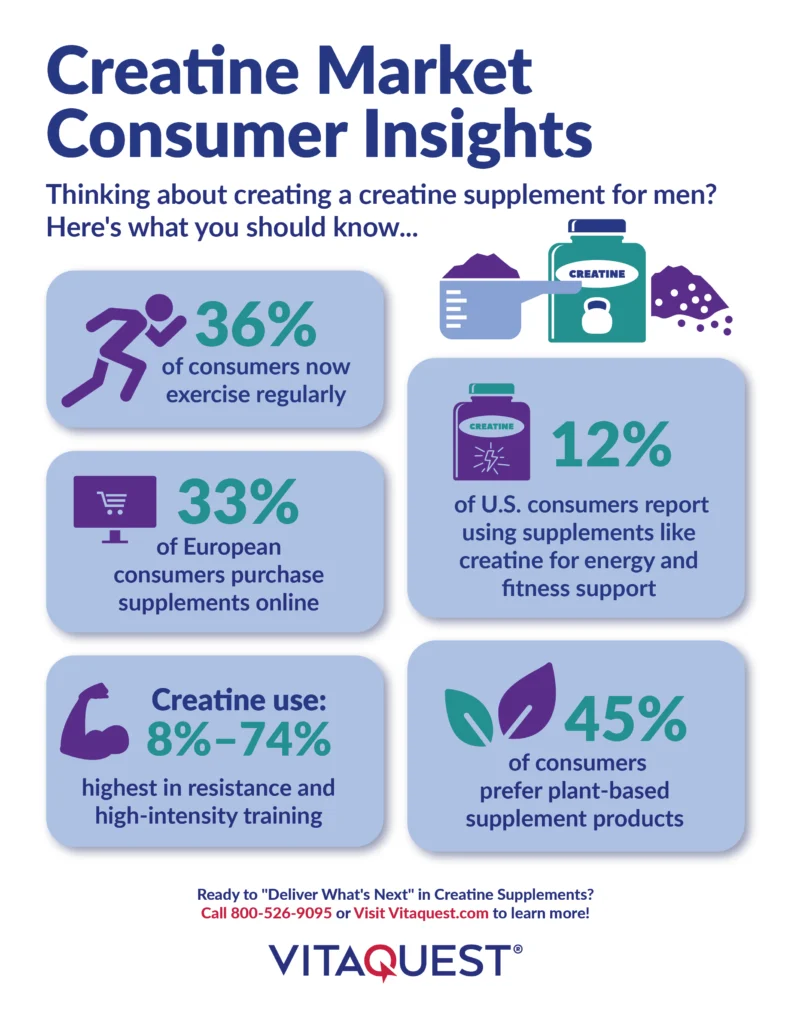
- 36% of consumers now exercise regularly, up from pre-pandemic levels.
- 12% of U.S. consumers use dietary supplements like creatine to boost energy and reduce fatigue.
- 33% of European consumers purchase supplements online.
- 45% of consumers prefer plant-based supplement products.
Creatine usage among athletes and active individuals ranges from 8% to 74%, with the highest adoption among those engaged in resistance training, high-intensity interval training, and weightlifting, where the benefits are most evident.
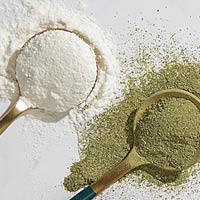
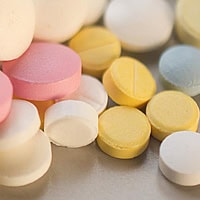
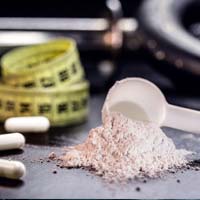
From a delivery format perspective, creatine powder dominated the market in 2024, accounting for 80.6% of sales. However, capsules and tablets are projected to grow at a 26.1% CAGR from 2025 to 2030, driven by consumer demand for convenience, portability, and pre-measured doses. Additionally, tablets and effervescent tablets are also gaining interest for their ease of use and on-the-go appeal.
Concluding Thoughts
Creatine remains one of the most trusted and effective supplements for men looking to enhance strength, performance, and recovery. Backed by decades of clinical research, creatine offers a well-established safety profile and proven results across a range of athletic and wellness applications. Whether in powder, capsule, or newer on-the-go formats, it continues to evolve with consumer needs and market trends.
For brand owners and formulators, understanding what creatine does for men is essential to meeting growing demand and delivering value-driven products. As the global creatine market expands, now is the time to develop a high-quality, science-backed supplement that resonates with today’s performance-focused consumer.
Are you ready to manufacture creatine supplements for men? If so, call 800-526-9095 to speak with one of our knowledgeable formulation specialists or request a nutraceutical manufacturing price quote if you’ve already finalized your project requirements!
Frequently Asked Questions About Creatine for Men
Does creatine increase testosterone?
No, creatine does not increase testosterone. This is a misconception because creatine helps support muscle growth in combination with strength training, leading some people into assuming it may increase testosterone, which can also promote muscle growth.
When should men take creatine?
On workout days, research shows that it may be better to take creatine shortly before or after you exercise, rather than long before or after. On rest days, it may be beneficial to take it with food, but the timing is probably not as important as on exercise days.
What are 2 disadvantages of creatine?
Creatine doesn’t really have disadvantages. If you use a loading dose of 20 grams, research shows that you may temporarily retain water in your muscle cells, giving a false sense of weight gain. However, if you take the standard 5-8 gram serving size, that’s not likely to happen.
Is creatine OK to take every day?
Yes. Creatine is a safe supplement to use daily. According to the International Society of Sports Nutrition, the National Collegiate Athletic Association (NCAA), and the International Olympic Committee (IOC), creatine is generally considered safe when used appropriately.
What are the pros and cons of creatine?
The pros of using creatine is that research has demonstrated that it promotes improvements in high-intensity exercise performance, leading to increased muscle mass and strength improvements. In addition, supplementation may enhance post-exercise recovery, injury prevention, thermoregulation, rehabilitation, and neuroprotection. The only con is that if you use a loading dose of 20 grams, you may temporarily retain water in your muscle cells, although if you take the standard 5-8 gram serving size, that’s not likely to happen.
Does creatine affect sleep?
Some research suggests that a single high dose of creatine could help offset some cognitive decline associated with sleep deprivation. Another study demonstrated that creatine supplementation may increase acute total sleep when combined with resistance training among naturally menstruating women.
Is creatine better than protein?
It’s not a question of whether creatine is better than protein or vice versa. They both do very different things. Creatine helps stimulate muscle growth, while protein provides the raw material for building muscle. For the best results, use both creatine and protein.
How much water should I drink with creatine?
For optimal absorption, each 5-gram dose of creatine should be taken with at least 12 ounces (375 mL) of water.
Does creatine burn fat?
There is some research suggesting that creatine may help your body burn fat in combination with exercise. But supplementing creatine by itself without exercise isn’t likely to result in a reduction of body fat.
Does creatine have calories?
Yes, but it’s not very much. A standard 5-gram serving of creatine monohydrate provides about 5 calories.
Is creatine safe for the heart?
Research indicates that creatine is safe for heart health in healthy individuals, with no adverse effects reported. Some preliminary studies have even suggested that creatine supplementation may support certain aspects of cardiac function, though these findings have not yet been confirmed in human clinical trials. As always, individuals with pre-existing heart conditions should consult with a healthcare professional before beginning any new supplement regimen.
What happens when you stop creatine?
If you stop taking creatine, you will stop enjoying its benefits. But no ill effects will happen otherwise.