




















Key Takeaways
- Consumer demand for longevity supplements is accelerating, creating meaningful opportunities for brands that align with scientific evidence and regulatory compliance.
- Effective formulations depend on clinically relevant dosages, bioavailable forms of ingredients, and mechanisms supported by human research.
- Key ingredients in this category often target biological pathways associated with healthy aging, including mitochondrial function, autophagy, oxidative balance, and metabolic health.
- Regulatory discipline is essential. Structure-function claims must be properly substantiated and aligned with FDA guidelines.
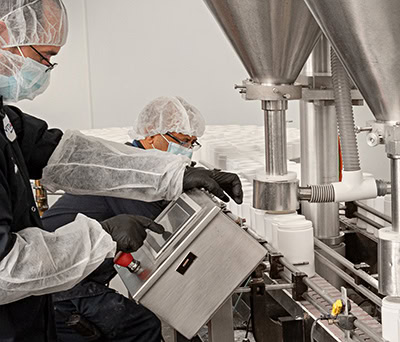
- Long-term success requires partnering with an experienced, cGMP-compliant manufacturer that prioritizes quality control, third-party testing, and sustainable production practices.
Consumers are increasingly focused on living longer and maintaining quality of life as they age, and many are turning to longevity supplements as part of that strategy. In a collaborative survey conducted by National Geographic and AARP, 75% of adults said they would be willing to take a supplement to extend their lifespan, and 85% said they would take one to support healthier aging. 1Harrar S. It’s Time to Throw Out Stereotypes on Aging. Washington, DC: AARP. June 6, 2022. Retrieved December 14, 2022 from https://www.aarp.org/health/healthy-living/info-2022/aging-survey.html
Market data reinforces this demand. In 2025, the U.S. longevity and general wellness supplements market was valued at $6.38 billion and is projected to reach $11.53 billion by 2035, reflecting a compound annual growth rate (CAGR) of 6.1%. 2U.S. Longevity & General Wellness Supplements Market Outlook Ahead. Towards Healthcare. Retrieved February 10, 2026 from https://www.towardshealthcare.com/insights/us-longevity-and-general-wellness-supplements-market-sizing. For brand owners, this represents a meaningful opportunity to develop and position the best longevity supplements to meet growing consumer interest.
However, success in this category requires more than merely aligning with trends. Formulas must be built around scientifically substantiated, evidence-based nutraceutical ingredients and supported by compliant, carefully structured messaging.
In this article, we will define longevity supplements, evaluate the scientific evidence on their effectiveness, and outline key formulation considerations for brands seeking to compete responsibly and successfully in this growing category.
What are Longevity Supplements?
Supplements for longevity are formulations containing nutraceutical ingredients, supported by research, that promote healthy aging and support age-related biological functions. These products are designed to support key biological pathways associated with the aging process rather than targeting specific disease states.
Examples include formulas developed to support mitochondrial function, promote healthy gene expression related to aging, maintain muscle and cognitive health, help manage temporary, everyday inflammation, encourage cellular renewal processes such as autophagy, and help reduce oxidative stress. Each of these mechanisms plays a role in positioning longevity supplements within a compliant, science-based product strategy.
The key benefits and ingredient considerations behind these approaches are discussed in greater detail below.
Do Longevity Supplements Really Work?
The answer depends on how the question is framed. If the expectation is that a product can definitively extend lifespan, that outcome cannot be determined until the end of an individual’s life. No dietary supplement can guarantee increased longevity.
However, if the question is whether certain nutraceutical ingredients can positively influence measurable markers associated with healthy aging, the scientific literature suggests that some may offer meaningful support. Published research indicates that specific compounds, when used at clinically relevant doses, may support cellular health, metabolic function, cognitive performance, and other age-related physiological processes.
As with any category, efficacy depends on ingredient selection, dosage integrity, bioavailability, and overall formulation strategy. The next section outlines specific ingredients and mechanisms to clarify the evidence behind these approaches further.
Science-Backed Longevity Supplements and Their Benefits
It is common for consumers to ask, “What are the best vitamins for longevity?” or to search for a list of the top 10 longevity supplements. While those questions reflect genuine market interest, they often oversimplify a complex category.
In this section, we will take a more substantive approach by examining 14 science-backed ingredients frequently used in this space. In doing so, we will also address a more important question: how do longevity supplements work? Rather than focusing solely on rankings, we will explore the biological mechanisms, research support, and formulation considerations that underpin responsible product development in the longevity category.

| Supplement | Potential Benefits |
| NAD+ Boosters (NMN, NR, Niacinamide) | May support energy production and mitochondrial function by increasing NAD+ levels. |
| Resveratrol | An antioxidant that may activate longevity genes and protect against oxidative stress. |
| Urolithin A | It can improve mitochondrial health, muscle function, and endurance. |
| Creatine | Can enhance muscle retention, cognitive function, and overall energy. |
| Omega-3 Fatty Acids | May support heart and brain health, and reduce inflammation. |
| CoQ10 | Essential for ATP production and cardiovascular health. |
| Magnesium | Crucial for muscle, nerve, immune, and bone health. |
| Taurine | Can support cardiometabolic health. |
| Spermidine | Can promote autophagy to help clear out damaged cells. |
| Curcumin | Anti-inflammatory and antioxidant benefits, supporting cellular health. |
| Vitamin D3 + K2 | Essential for immune function and bone health. |
NAD+ Boosters (NMN, NR)
Nicotinamide adenine dinucleotide (NAD+) is a critical coenzyme involved in numerous biochemical processes, particularly cellular energy metabolism. It plays a central role in the mitochondria, the organelles that generate adenosine triphosphate (ATP), the body’s primary energy source. NAD+ functions as an essential electron carrier in these metabolic pathways.
Endogenous NAD+ levels naturally decline with age, and this decline has been associated with several recognized hallmarks of aging.3Aman Y, Qiu Y, Tao J, Fang EF. Therapeutic potential of boosting NAD+ in aging and age-related diseases. Translational Medicine of Aging. 2018; 2:30-37 As a result, strategies aimed at supporting healthy NAD+ levels have become an area of scientific interest.
Niacinamide (vitamin B3) and its derivatives, including nicotinamide mononucleotide (NMN) and nicotinamide riboside (NR), serve as precursors involved in NAD+ biosynthesis. When supplied in appropriate forms and dosages, these compounds may help support NAD+ production, 4Ito TK, Sato T, Hakamata A, et al. A nonrandomized study of single oral supplementation within the daily tolerable upper level of nicotinamide affects blood nicotinamide and NAD+ levels in healthy subjects. Translational Medicine of Aging. 2020; 4:45-54. which in turn plays a role in cellular energy regulation, gene expression related to metabolic function, and DNA repair mechanisms.5Amjad S, Nisar S, Bhat AA, et al. Role of NAD+ in regulating cellular and metabolic signaling pathways. Molecular Metabolism. 2021; 49:101195.
Resveratrol
Resveratrol is a naturally occurring polyphenol produced by certain plants in response to environmental stressors such as injury or microbial attack.6Higdon J, Drake VJ, Steward WP. Resveratrol. Micronutrient Information Center. Linus Pauling Institute, Oregon State University, Corvallis, OR; 2016. 7Fremont L. Biological Effects of Resveratrol. Life Sci. 2000;66(8):663–673. It is found in sources including grapes, peanuts, 8Soleas GJ, Diamandis EP, Goldberg DM. Resveratrol: A molecule whose time has come? And gone? Clin Biochem 1997;30:91–113. and Japanese Knotweed (Polygonum cuspidatum), 9Baur JA, Sinclair DA. Therapeutic potential of resveratrol: the in vivo evidence. Nature reviews. Drug discovery 2006; 5(6):493-506. the latter of which is commonly used in dietary supplement formulations due to its standardized resveratrol content.
Scientific interest in this compound is largely tied to its interaction with sirtuins, particularly SIRT1, a protein involved in cellular regulation pathways associated with aging and metabolic function.10Borra MT, Smith BC, Denu JM.Mechanism of human SIRT1 activation by resveratrol. J Biol Chem. 2005 Apr 29;280(17):17187-95. Activation of these pathways has been studied for its role in supporting cellular health and stress resistance.
Human research11Ghanim H, Sia CL, Abuaysheh S, Korzeniewski K, Patnaik P, Marumganti A, Chaudhuri A, Dandona P. Anti-inflammatory and reactive oxygen species-suppressive effects of an extract of Polygonum cuspidatum containing resveratrol. J Clin Endocrinol Metab. 2010 Sep;95(9):E1-8. has also shown that resveratrol supplementation may help support the body’s response to oxidative stress and temporary inflammatory challenges in healthy individuals, with studies demonstrating reductions in certain inflammatory biomarkers. As with any ingredient, efficacy is influenced by dosage, bioavailability, and overall formulation strategy.
Urolithin A
Urolithin A (UA) is a naturally occurring metabolite produced by the gut microbiota after consuming certain polyphenol-rich foods. It has been studied for its role in supporting mitophagy, the cellular process that clears and recycles damaged mitochondria to maintain mitochondrial function.12Andreux PA, Blanco-Bose W, Ryu D, Burdet F, Ibberson M, Aebischer P, Auwerx J, Singh A, Rinsch C. The mitophagy activator urolithin A is safe and induces a molecular signature of improved mitochondrial and cellular health in humans. Nat Metab. 2019 Jun;1(6):595-603. doi: 10.1038/s42255-019-0073-4. Epub 2019 Jun 14. PMID: 32694802.
Emerging human research13Zhao H, Zhu H, Yun H, et al. Assessment of Urolithin A effects on muscle endurance, strength, inflammation, oxidative stress, and protein metabolism in male athletes with resistance training: an 8-week randomized, double-blind, placebo-controlled study. J Int Soc Sports Nutr. 2024;21(1):2419388. doi:10.1080/15502783.2024.2419388. suggests that Urolithin A supplementation may support aspects of muscle strength and endurance, including resistance-trained individuals. Additional studies have indicated potential benefits related to supporting healthy oxidative balance and modulating temporary inflammatory responses in healthy adults.
As with other advanced nutraceutical ingredients, clinical relevance depends on standardized sourcing, effective dosages, and thoughtful formulation in the finished product.
Creatine
Creatine is a naturally occurring, non-protein compound composed of three amino acids: arginine, glycine, and methionine. It plays a central role in regenerating adenosine triphosphate (ATP), the primary energy source used during muscular contraction. By supporting rapid ATP replenishment, creatine helps sustain performance during high-intensity, short-duration activities.
For decades, creatine has been widely used to support exercise performance, muscle strength, and the development of lean body mass. Research indicates that elevated intramuscular creatine stores may function as an anabolic signal, supporting the relationship between increased muscular activity and muscular adaptation.14Fry D, Morales M. A reexamination of the effects of creatine on muscle protein synthesis in tissue culture. J Cell Biol. 1980; 84(2): 294-297. 15Ingwall JS, Weiner CD, Morales ED, Stockdale FE. Specificity of creatine in the control of muscle protein synthesis. J Cell Biol. 1974;62(1): 145-151.
Beyond physical performance, emerging research suggests that creatine supplementation may also support cognitive performance and mood, likely due to its role in maintaining a pro-energetic environment within brain tissue.16 Smith-Ryan AE, Cabre HE, Eckerson JM, Candow DG. Creatine Supplementation in Women’s Health: A Lifespan Perspective. Nutrients. 2021 Mar 8;13(3):877. doi: 10.3390/nu13030877. PMID: 33800439; PMCID: PMC7998865.
From a formulation standpoint, brands entering this category should pay close attention to ingredient form, purity standards, and dosage integrity. Given the competitive nature of the category, partnering with an experienced creatine supplement manufacturing company is essential to ensure product quality, stability, and compliance with current Good Manufacturing Practices (cGMPs).
Omega-3 Fatty Acids
Omega-3 fatty acids, particularly eicosapentaenoic acid (EPA) and docosahexaenoic acid (DHA), are widely recognized for their importance in human nutrition. These long-chain polyunsaturated fatty acids are found in fatty fish and certain fortified foods and are commonly included in dietary supplement formulations.
A substantial body of research supports the role of EPA and DHA in maintaining cardiovascular health.17Johansen O, et al, Arterioscler ThrombVasc Biol (1999) 19(7):1681-6. 18Enikeeva NA, Kitaiskaia LS, Antoniuk MV, Klin Med (1999) 77(3):25-8.In addition, omega-3 fatty acids have been studied for their involvement in supporting a balanced inflammatory response in healthy individuals.19Alexander JW, Nutrition (1998) 14(7-8):627-33.
Human clinical studies have also examined DHA in relation to cognitive health. Findings suggest that DHA supplementation may support aspects of memory performance, including episodic memory, 20Yurko-Mauro K, Alexander DD, Van Elswyk ME. Docosahexaenoic acid and adult memory: a systematic review and meta-analysis. PLoS One. 2015 Mar 18;10(3):e0120391. doi: 10.1371/journal.pone.0120391. PMID: 25786262; PMCID: PMC4364972. 21Stonehouse W, Conlon CA, Podd J, Hill SR, Minihane AM, Haskell C, Kennedy D. DHA supplementation improved both memory and reaction time in healthy young adults: a randomized controlled trial. Am J Clin Nutr. 2013 May;97(5):1134-43. doi: 10.3945/ajcn.112.053371. Epub 2013 Mar 20. PMID: 23515006. and may help maintain cognitive function associated with normal aging in individuals without dementia.22Lin P-J, Kaufer DI, Maciejewski ML, Ganguly R, Paul JE, Biddle AK. An examination of Alzheimer’s case definitions using Medicare claims and survey data. Alzheimer’s & Dementia: The Journal of the Alzheimer’s Association 2010;In-Press Corrected Proof , Available online 03 May 2010 | DOI: 10.1016/j.jalz.2009.09.001.
As with all lipid-based ingredients, formulation considerations such as oxidation control, stability, dosage accuracy, and sourcing quality are critical to delivering a clinically relevant and compliant finished product.
CoQ10
Coenzyme Q10 (CoQ10) is an endogenously produced compound that plays a central role in mitochondrial energy production. It is directly involved in the electron transport chain, supporting the generation of ATP, the body’s primary energy molecule.23Coenzyme Q10 Monograph. Altern Med Rev. 1998;3(1):58-61.
Human studies have demonstrated that CoQ10 supplementation may support exercise performance, recovery, and physical power output.24Ylikoski T, Piirainen J, Hanninen O, Penttinen J. The effect of coenzyme Q10 on the exercise performance of cross-country skiers. Mol Aspects Med. 1997;18 Suppl:S283-90. 25Gökbel H, Gül I, Belviranl M, Okudan N. The effects of coenzyme Q10 supplementation on performance during repeated bouts of supramximal exercise in sedentary men. Journal of Strength and Conditioning Research; Jan 2010; 24(1):97-102. 26Zhng A, Moritani T. Influence of CoQ10 on autonomic nervous activity and energy metabolism during exercise in healthy subjects. J Nutr Sci Vitaminol. 2008; 54:286-290. Additional research suggests benefits for cardiovascular health, particularly in maintaining healthy cellular energy levels in cardiac tissue.27Greenberg S, Frishman WH. Co-enzyme Q10: a new drug for cardiovascular disease. J Clin Pharmacol 1990;30(7):596-608. 28Greenberg S, Frishman WH. Co-enzyme Q10: a new drug for cardiovascular disease. J Clin Pharmacol 1990;30(7):596-608. 29Sinatra ST. Coenzyme Q10: a vital therapeutic nutrient for the heart with special application in congestive heart failure. Conn Med 1997; 61(11):707-11. 30Folkers K, Drzewoski J, Richardson PC, et al. Bioenergetics in clinical medicine. XVI. Reduction of hypertension in patients by therapy with coenzyme Q10. Res Commun Chem Pathol Pharmacol 1981; 31: 129-40. 31Langsjoen P, Langsjoen P, Willis R, Folkers K. Treatment of essential hypertension with coenzyme Q10. Mol Aspects Med 1994;15(suppl): S265-72. As with other mitochondrial-support ingredients, bioavailability and form selection are critical formulation considerations.
Magnesium
Magnesium is an essential mineral and a cofactor in more than 300 enzymatic reactions within the body.32Food and Nutrition Board, Institute of Medicine. Magnesium. Dietary Reference Intakes: Calcium, Phosphorus, Magnesium, Vitamin D, and Fluoride. Washington, D.C.: National Academy Press; 1997:190-249. It contributes structurally to bones, cell membranes, and chromosomes and plays a role in normal tissue repair.
Magnesium is fundamental to energy production, neuromuscular function, blood glucose metabolism, blood pressure regulation, and bone health.33Rude RK, Shils ME. Magnesium. In: Shils ME, Shike M, Ross AC, Caballero B, Cousins RJ, eds. Modern Nutrition in Health and Disease. 10th ed. Baltimore: Lippincott Williams & Wilkins; 2006:223-247. It also supports optimal 25-hydroxyvitamin D levels, the primary circulating form used to assess vitamin D status.34Dai Q, Zhu X, Manson JE, Song Y, Li X, Franke AA, Costello RB, Rosanoff A, Nian H, Fan L, Murff H, Ness RM, Seidner DL, Yu C, Shrubsole MJ. Magnesium status and supplementation influence vitamin D status and metabolism: results from a randomized trial. Am J Clin Nutr. 2018 Dec 1;108(6):1249-1258. doi: 10.1093/ajcn/nqy274. PMID: 30541089; PMCID: PMC6693398. Given widespread suboptimal intake, selecting highly bioavailable forms is essential for effective product development.
Taurine
Taurine is a conditionally essential amino sulfonic acid found in high concentrations in the brain, heart, retina, and skeletal muscle. It is involved in cardiovascular function, bile salt formation, electrolyte balance, and cellular hydration.35Burtka AT. Taurine: What Is It? WebMD. April 9, 2024. Retrieved February 11, 2026 from https://www.webmd.com/vitamins-and-supplements/what-is-taurine.
Clinical research suggests taurine supplementation may support metabolic health markers and cardiometabolic function in healthy individuals.36Sun Q, Wang J, Wang H, Yu H, Wan K, Ma F, Wang R. Effect of Long-Term Taurine Supplementation on the Lipid and Glycaemic Profile in Adults with Overweight or Obesity: A Systematic Review and Meta-Analysis. Nutrients. 2024 Dec 27;17(1):55. doi: 10.3390/nu17010055. PMID: 39796489; PMCID: PMC11722866. These findings reflect taurine’s role in cellular energy regulation, nutrient utilization, and maintenance of metabolic balance.37Nie Z, Liu Y, Zhang M, Wu C, Cao Q, Xu J, Zheng Y, Min Z, Zhang W, Han S. Effects of Oral Taurine Supplementation on Cardiometabolic Risk Factors: A Meta-analysis and Systematic Review of Randomized Clinical Trials. Nutr Rev. 2025 Nov 23:nuaf220. doi: 10.1093/nutrit/nuaf220. Epub ahead of print. PMID: 41275513. Dosage precision and ingredient quality are key to ensuring meaningful inclusion levels.
Spermidine
Spermidine is a naturally occurring polyamine found in certain foods and studied for its role in supporting cellular renewal mechanisms.38Autophagy. Cleveland Clinic. Last reviewed by a Cleveland Clinic medical professional on 08/23/2022. Retrieved May 24, 2023 from https://my.clevelandclinic.org/health/articles/24058-autophagy#:~:text=Autophagy%20allows%20your%20body%20to,potentially%20preventing%20and%20fighting%20disease. Research has focused on its relationship with autophagy, the body’s intrinsic recycling process that clears damaged cellular components and maintains cellular efficiency. Notably, autophagic activity declines with age.39Satarker S, Wilson J, Kolathur KK, Mudgal J, Lewis SA, Arora D, Nampoothiri M. Spermidine as an epigenetic regulator of autophagy in neurodegenerative disorders. Eur J Pharmacol. 2024 Sep 15;979:176823. doi: 10.1016/j.ejphar.2024.176823. Epub 2024 Jul 18. PMID: 39032763.
Human studies using rice germ-derived spermidine have shown an increase in markers associated with autophagy and cellular renewal. These findings have positioned spermidine as an ingredient of interest in healthy aging formulations.40Ziegenfuss TN, La Monica M, Bruno G. Effects of Spermidine-Rich Rice Germ Extract on Biomarkers of Healthy Aging and Autophagy – A proof of Concept Pilot Study. 2025; submitted for publication.
From a product development standpoint, careful attention should be given to ingredient sourcing, standardization, and stability to ensure consistent potency and performance in the finished formulation.
Curcumin
Turmeric is a bright yellow, ancient spice and a traditional remedy that has been used as a medicine, condiment, and flavoring, according to records dating back to 600 BCE. Its value to health and wellness is essentially due to its curcuminoid content. The curcuminoids inhibit 5-lipoxygenase (LOX) and cyclooxygenase (COX), resulting in well-established anti-inflammatory effects.41Chandra D, Gupta S. Anti-inflammatory and anti-arthritic activity of volatile oil of Curcuma longa (Haldi). Ind J Med Res 1972; 60:138-142.
In addition to supporting a balanced inflammatory response, curcumin exhibits antioxidant properties42Toda S, Miyase T, Arich H, et al. Natural antioxidants. Antioxidative compounds isolated from rhizome of Curcuma longa L. Chem Pharmacol Bull 1985;33:1725-1728. and has been studied for its role in enhancing cellular resistance to oxidative stress.43Mortellini R, Foresti R, Bassi R, Green CJ. Curcumin, an antioxidant and anti-inflammatory agent, induces heme oxygenase-1 and protects endothelial cells against oxidative stress. Free Radic Biol Med 2000;28:1303-1312. It may also support endogenous glutathione activity, which plays a role in normal liver function.44Pizorrno JE, Murray MT. Textbook of Natural Medicine, 2nd Ed. London: Churchill Livingstone; 1999;689-693. Because curcumin has inherently low bioavailability, delivery system selection is a critical determinant of product efficacy.
Vitamin D3 + K2
Vitamins D3 and K2 (as MK-4 and MK-7) play complementary roles in supporting bone health.45NIH Consensus Development Panel on Osteoporosis Prevention, Diagnosis, and Therapy. Osteoporosis prevention, diagnosis, and therapy. JAMA 2001;285:785-95. 46National Osteoporosis Foundation. Physician’s Guide to Prevention and Treatment of Osteoporosis. Universal Recommendations for All Patients. Available at: http://www.nof.org/physguide/univeral_recommendations.htm#adequate. (Accessed 14 May 2005). 47Larsen ER, Mosekilde L, Foldspang A. Vitamin D and calcium supplementation prevents osteoporotic fractures in elderly community dwelling residents: a pragmatic population-based 3-year intervention study. J Bone Miner Res 2004;19:370-8. 48Knapen MH, Drummen NE, Smit E, Vermeer C, Theuwissen E. Three-year low-dose menaquinone-7 supplementation helps decrease bone loss in healthy postmenopausal women. Osteoporos Int. 2013;24(9):2499-2507. 49Koitaya N, Sekiguchi M, Tousen Y, Nishide Y, Morita A, Yamauchi J, Gando Y, Miyachi M, Aoki M, Komatsu M, Watanabe F, Morishita K, Ishimi Y. Low-dose vitamin K2 (MK-4) supplementation for 12 months improves bone metabolism and prevents forearm bone loss in postmenopausal Japanese women. J Bone Miner Metab. 2014 Mar;32(2):142-50. Vitamin D3 facilitates calcium absorption, while vitamin K2 supports appropriate calcium utilization within the body.
Human research50Kurnatowska I., Grzelak P., Masajtis-Zagajewska A., et al. Effect of vitamin K2 on progression of atherosclerosis and vascular calcification in nondialyzed patients with chronic kidney disease stages 3-5. Polskie Archiwum Medycyny Wewnętrznej. 2015;125:631–640. has demonstrated that combined supplementation with vitamin D3 and vitamin K2 may provide greater support for arterial health compared to vitamin D3 alone. The results of a two-year randomized study51Iwamoto J, Takeda T, Ichimura S. Effect of combined administration of vitamin D3 and vitamin K2 on bone mineral density of the lumbar spine in postmenopausal women with osteoporosis. J Orthop Sci. 2000;5(6):546-51. found that the combined administration of vitamin D3 and vitamin K2 (as MK-4), was effective in increasing the bone mineral density in postmenopausal women.
Key Considerations for Longevity Supplement Formulation and Use
When developing products in this category, formulation discipline is critical. Key considerations include bioavailability, clinically relevant potency, quality certifications, appropriate delivery formats, and responsible manufacturing practices.
Bioavailability
Bioavailability is the proportion of an active ingredient that is absorbed and available for physiological use. In practice, two different forms of the same nutraceutical may have significantly different absorption profiles.
For example, research52tefanelli LF, Alessi M, Bertoldi G, et al. Calcineurin-Inhibitor-Induced Hypomagnesemia in Kidney Transplant Patients: A Monocentric Comparative Study between Sucrosomial Magnesium and Magnesium Pidolate Supplementation. J Clin Med. 2023;12(3):752. 53Brilli E, Khadge S, Fabiano A, Zambito Y, Williams T, Tarantino G. Magnesium bioavailability after administration of sucrosomial® magnesium: results of an ex-vivo study and a comparative, double-blinded, cross-over study in healthy subjects. Eur Rev Med Pharmacol Sci. 2018;22(6):1843-1851. has shown that certain delivery technologies, such as sucrosomial magnesium, may demonstrate greater bioavailability compared to other common forms, including magnesium oxide, citrate, bisglycinate, or pidolate. Ingredient form selection, particle size, lipid carriers, and delivery systems all influence absorption and, ultimately, product performance.
Potency
Effective formulation requires the use of clinically relevant dosages supported by published research. If the literature identifies 100 mg as an effective level, inclusion at materially lower amounts may undermine product integrity.
At the same time, exceeding the studied dosage levels without evidence of additional benefit does not enhance efficacy and may increase costs or pose formulation challenges. Precision and alignment with clinical data should guide inclusion levels.
Certifications and Third-Party Testing
Quality assurance is foundational. Certifications such as NSF-GMP and FSSC 22000 verify adherence to recognized quality and food safety standards at the manufacturing level.
Third-party testing can further support transparency by verifying the identity, purity, and potency of finished products. While many supplement contract manufacturers operate in-house analytical laboratories, independent verification can strengthen credibility and reinforce brand trust.
Formulation and Product Formats
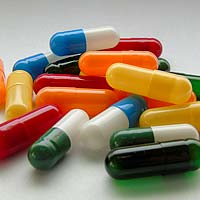
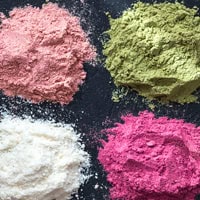
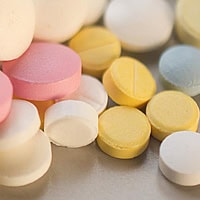
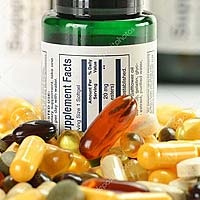
The supplement delivery format you select for your product should align with dosage requirements, ingredient characteristics, and consumer convenience. Common options include tablets, capsules, and powders.
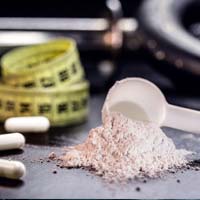
For example, a formulation delivering 5 grams of creatine would be more practical as a powder, allowing convenient measurement with a scoop or a stick pack. Delivering the same dose in capsule form may require multiple capsules per serving, which could negatively affect consumer adherence. Conversely, lower-dose ingredients are often well-suited to capsule or tablet formats. Strategic format selection enhances both compliance and user experience.
Sustainability Manufacturing Practices
Sustainability considerations are increasingly relevant in product development. Environmentally responsible practices may include using post-consumer recycled materials, biodegradable packaging, eco-conscious labels, and responsibly sourced raw materials.
Ingredient sourcing can also contribute to sustainability goals. Examples include plant-based proteins such as pea, rice, and soy, which generally carry a lower environmental footprint than certain animal-derived proteins. Similarly, vegan vitamin D3 derived from lichen provides an alternative to lanolin-based sources.
For brands seeking long-term positioning in the healthy aging category, integrating scientific rigor, manufacturing quality, and environmental responsibility into their formulation design strategy is not optional; it is a competitive necessity.
Conclusion
Consumer demand for longevity supplements continues to accelerate, driven by growing interest in healthy aging and proactive wellness strategies. As this article outlined, success in this category depends on more than trending ingredients. It requires science-backed formulation, clinically relevant dosing, optimized bioavailability, and strict adherence to quality and regulatory standards.
From ingredient selection through finished dosage form, execution matters. Working with an experienced vitamin manufacturing company ensures your product is developed in compliance with FDA cGMP requirements and supported by rigorous quality systems and sustainability practices.
If you are ready to develop or expand your line of longevity supplements, call 800-526-9095 to speak with one of our knowledgeable production specialists, or request a competitive nutraceutical manufacturing quote if you’ve already finalized your project requirements!
Frequently Asked Questions (FAQs) about Longevity Supplements
What are the key challenges in formulating longevity supplements?
The challenges are like those associated with developing any dietary supplement, but they are amplified in a science-driven category like longevity. First, formulations must include clinically relevant dosages supported by human research for the intended structure-function benefits. Second, brands should partner with a contract manufacturer experienced in domestic and international regulatory standards and sustainable production practices. Third, marketing claims must be carefully structured to remain compliant and substantiated. Finally, formulators should avoid “fairy dusting,” or including underdosed ingredients that lack meaningful clinical relevance.
What are the emerging trends in longevity supplement formulations?
Emerging trends increasingly focus on ingredients associated with the recognized hallmarks of aging. These include compounds studied for supporting autophagy, such as spermidine; ingredients researched for their role in addressing cellular senescence, such as fisetin; and nutrients that support mitochondrial function, including NAD+ precursors like NMN, NR, and niacinamide. As research evolves, formulation strategies are becoming more targeted toward specific biological pathways rather than broad, generalized positioning.
What is the market size for longevity supplements?
In 2025, the U.S. longevity and general wellness supplements market was valued at approximately $6.38 billion. It is projected to reach $11.53 billion by 2035, representing a compound annual growth rate (CAGR) of 6.1%. This sustained growth underscores the continued commercial opportunity for brands that approach formulation with scientific rigor and regulatory discipline.