


































Key Takeaways
- 74% of men are consciously taking steps to manage their health rather than being passive about it.
- 36% of men aged 20-39 and 67% of men aged 60+ are using vitamin supplements.
- Vitamin D has been shown to support sperm quality and testosterone levels in men.
- Tocotrienols help with oxidative stress, DNA damage, cholesterol/metabolic health, and antioxidant status.
- High levels of zinc are found in semen and the prostate.
A recent survey1Around three-quarters of men say they lead a healthy lifestyle. Aviva. September 6, 2024. Retrieved February 12, 2026 from https://www.aviva.com/newsroom/news-releases/2024/09/around-three-quarters-of-men-say-they-lead-a-healthy-lifestyle/ suggests that 74% of men are actively taking steps to manage their health rather than taking a passive approach. Regular exercise, proper hydration, and balanced nutrition reflect this shift in mindset. Supplementation is increasingly becoming part of that routine, too, as men seek to address nutritional gaps and support long-term wellness goals.
Data from the CDC’s National Health and Nutrition Examination Survey2Mishra S, Stierman B, Gahche JJ, Potischman N. Dietary supplement use among adults: United States, 2017–2018. NCHS Data Brief, no 399. Hyattsville, MD: National Center for Health Statistics. 2021. DOI: shows supplement use rises significantly with age, increasing from approximately 36% of men ages 20 to 39 to 67% of men over 60 who report using multivitamin-mineral supplements, vitamin D, and other nutrients.
This demand is reflected in market performance. The global men’s health supplements market was valued at $75.09 billion in 2024 and is projected to reach $132.13 billion by 2030, representing a compound annual growth rate (CAGR) of 10.07%.3Men’s Health Supplements Market (2025 – 2030). Grand View Research. Retrieved February 12, 2026 from https://www.grandviewresearch.com/industry-analysis/mens-health-supplements-market-report.
For brand owners, understanding the most important vitamins for men and how to strategically formulate around them is critical. This guide outlines key nutrients, formulation considerations, and positioning strategies to support long-term success in the men’s health category
Essential Vitamins Supplements for Men
While men and women require all essential vitamins and minerals, certain nutrients play distinct roles in supporting men’s health priorities. This often leads brand owners and consumers to ask, “What are the most important vitamins for men?”
The following section outlines the key vitamins brand owners should consider when developing or positioning men’s health supplements.
| Vitamin Supplement | Benefits |
| Vitamin D | Supports sperm quality and testosterone levels. |
| Magnesium | Magnesium status is linked with key male reproductive outcomes. |
| Multivitamins | Promotes cognitive health in men. |
| Zinc | Plays critical roles in male reproductive development; high levels are found in semen and prostate. |
| Vitamin B12 | Supports homocysteine metabolism and cardiovascular health. |
| Choline | Promotes body composition and cellular health. |
| Selenium | Contributes to sperm health and antioxidant defenses. |
| Vitamin E (alpha tocopherol) | Supports healthy sperm and semen parameters. |
| Beta-carotene | Supports cognitive health, prostate health, and male fertility. |
| Tocotrienols (vitamin E isomers) | Provide antioxidant support and help protect cells from oxidative stress. |
Vitamin D
Research has identified associations between serum vitamin D levels and measures of male reproductive health, including testosterone status and semen parameters. Observational studies,4Ciccone IM, Costa EM, Pariz JR, Teixeira TA, Drevet JR, Gharagozloo P, Aitken RJ, Hallak J. Serum vitamin D content is associated with semen parameters and serum testosterone levels in men. Asian J Androl. 2021 Jan-Feb;23(1):52-58. doi: 10.4103/aja.aja_9_20. PMID: 32341213; PMCID: PMC7831823. systematic reviews,5Adamczewska D, Słowikowska-Hilczer J, Walczak-Jędrzejowska R. The Association between Vitamin D and the Components of Male Fertility: A Systematic Review. Biomedicines. 2022 Dec 29;11(1):90. doi: 10.3390/biomedicines11010090. PMID: 36672602; PMCID: PMC9912266., and meta-analyses6Abu-Zaid A, Saleh SAK, Adly HM, Baradwan S, Alharran AM, Alhatm M, Alzayed MM, Alotaibi MN, Saad AR, Alfayadh HM, Abuzaid M, Alomar O. The Impact of Vitamin D on Androgens and Anabolic Steroids among Adult Males: A Meta-Analytic Review. Diseases. 2024 Sep 25;12(10):228. doi: 10.3390/diseases12100228. PMID: 39452471; PMCID: PMC11506788. suggests that men with higher circulating vitamin D levels tend to demonstrate more favorable hormonal profiles, particularly with respect to free testosterone.7Nimptsch K, Platz EA, Willett WC, Giovannucci E. Association between plasma 25-OH vitamin D and testosterone levels in men. Clin Endocrinol (Oxf). 2012 Jan 2. doi: 10.1111/j.1365-2265.2012.04332.x. [Epub ahead of print]. 8Lee DM, Tajar A, Pye SR, et al. Association of hypogonadism with vitamin D status: the European Male Ageing Study. Eur J Endocrinol. 2012 Jan;166(1):77-85. 9Wehr E, Pilz S, Boehm BO, März W, Obermayer-Pietsch B. Association of vitamin D status with serum androgen levels in men. Clin Endocrinol (Oxf). 2010 Aug;73(2):243-8.
In supplementation research, a randomized controlled trial10Pilz S, Frisch S, Koertke H, Kuhn J, Dreier J, Obermayer-Pietsch B, Wehr E, Zittermann A. Effect of vitamin D supplementation on testosterone levels in men. Horm Metab Res. 2011 Mar;43(3):223-5. in overweight, vitamin D-deficient men found that daily vitamin D intake for one year was associated with increases in total testosterone levels. These findings suggest vitamin D status may play a role in supporting normal hormonal balance in men.
Magnesium
Magnesium intake among men tends to be inadequate. National survey data11Magnesium. National Institutes of Health, Office of Dietary Supplements. Updated: June 2, 2022. Retrieved May 27, 2025 from https://ods.od.nih.gov/factsheets/Magnesium-HealthProfessional/#:~:text=free%20%5B21%5D.-,Magnesium%20Intakes%20and%20Status,proxy%20for%20assessing%20magnesium%20status. indicates that many adult men do not meet the Daily Value through diet alone.
Magnesium participates in hundreds of enzymatic reactions, including those related to energy production, muscle function, and reproductive physiology. A recent scientific study12Yahyavi SK, Probst-Drejer B, Poulsen NN, Jorsal MJ, Juul A, Jørgensen N, Jensen MB. Serum magnesium is linked with sperm concentration, motile sperm count and serum anti-Müllerian hormone in infertile men. Reprod Biomed Online. 2025 Aug 23;52(3):105232. doi: 10.1016/j.rbmo.2025.105232. Epub ahead of print. PMID: 41653852. found that higher serum magnesium levels were associated with greater sperm concentration and motile sperm counts in men evaluated for fertility status. Other research13Morabbi A, Karimian M. Trace and essential elements as vital components to improve the performance of the male reproductive system: Implications in cell signaling pathways. J Trace Elem Med Biol. 2024 May;83:127403. doi: 10.1016/j.jtemb.2024.127403. Epub 2024 Feb 1. PMID: 38340548. found that magnesium concentrations differ between fertile and infertile men, suggesting a role in sperm function pathways.
Multivitamins
Multivitamins are a popular choice for men’s health, offering a convenient way to cover a broad spectrum of essential vitamins.
Beyond that, published research14Harris E, Macpherson H, Vitetta L, Kirk J, Sali A, Pipingas A. Effects of a multivitamin, mineral and herbal supplement on cognition and blood biomarkers in older men: a randomised, placebo-controlled trial. Hum Psychopharmacol. 2012 Jul;27(4):370-7. doi: 10.1002/hup.2236. Epub 2012 Jun 18. PMID: 22711385. 15Pipingas A, Camfield DA, Stough C, Scholey AB, Cox KH, White D, Sarris J, Sali A, Macpherson H. Effects of multivitamin, mineral and herbal supplement on cognition in younger adults and the contribution of B group vitamins. Hum Psychopharmacol. 2014 Jan;29(1):73-82. doi: 10.1002/hup.2372. PMID: 24424708. evaluating multivitamin and mineral supplementation has identified associations with certain cognitive performance measures in men, particularly in older populations. Larger and randomized clinical trials16Rutjes AW, Denton DA, Di Nisio M, Chong LY, Abraham RP, Al-Assaf AS, Anderson JL, Malik MA, Vernooij RW, Martínez G, Tabet N, McCleery J. Vitamin and mineral supplementation for maintaining cognitive function in cognitively healthy people in mid and late life. Cochrane Database Syst Rev. 2018 Dec 17;12(12):CD011906. doi: 10.1002/14651858.CD011906.pub2. PMID: 30556597; PMCID: PMC6353240. suggest potential benefits in areas related to antioxidant intake and cognitive function support, although outcomes may vary by formulation and population.

Zinc
Zinc plays a critical role in male reproductive physiology and hormone metabolism. Published research highlights several important functions:
- Promotes testicular development, spermatogenesis, and maintains normal semen parameters.17Zečević N, Veselinović A, Perović M, Stojsavljević A. Association Between Zinc Levels and the Impact of Its Deficiency on Idiopathic Male Infertility: An Up-to-Date Review. Antioxidants (Basel). 2025 Jan 29;14(2):165. doi: 10.3390/antiox14020165. PMID: 40002352; PMCID: PMC11851646.
- Contributes to healthy semen parameters, including count and motility.18Dimitriadis F, Borgmann H, Struck JP, Salem J, Kuru TH. Antioxidant Supplementation on Male Fertility-A Systematic Review. Antioxidants (Basel). 2023 Mar 30;12(4):836. doi: 10.3390/antiox12040836. PMID: 37107211; PMCID: PMC10135082.
- Participates in the synthesis, transport, and peripheral action of hormones, including testosterone.19Food and Nutrition Board, Institute of Medicine. Zinc. Dietary reference intakes for vitamin A, vitamin K, arsenic, boron, chromium, copper, iodine, iron, manganese, molybdenum, nickel, silicon, vanadium, and zinc. Washington, D.C.: National Academy Press; 2001:442-501.
Clinical research has also observed that men with normal testosterone levels tend to demonstrate higher zinc status compared to those with lower levels, further supporting its biological relevance.20Prasad AS, Mantzoros CS, Beck FW, Hess JW, Brewer GJ. Zinc status and serum testosterone levels of healthy adults. Nutrition. 1996 May;12(5):344-8. 21Chang CS, Choi JB, Kim HJ, Park SB. Correlation between serum testosterone level and concentrations of copper and zinc in hair tissue. Biol Trace Elem Res. 2011 Dec;144(1-3):264-71.
Furthermore, consider that zinc content is high in the adult testis, and the prostate has a higher concentration of zinc than any other organ of the body,22Bedwal RS, et al. Experientia 1994;50(7):626-40. and in human seminal fluid, zinc is found in much higher concentrations than in other body fluids.
Vitamin B12
Vitamin B12 plays a central role in homocysteine metabolism, a biochemical pathway linked to cardiovascular function. Elevated homocysteine levels have been associated with vascular changes and oxidative stress, both of which are relevant to long-term cardiovascular wellness.23Yuan S, Mason AM, Carter P, Burgess S, Larsson SC. Homocysteine, B vitamins, and cardiovascular disease: a Mendelian randomization study. BMC Med. 2021 Apr 23;19(1):97. doi: 10.1186/s12916-021-01977-8. PMID: 33888102; PMCID: PMC8063383.
Other research24Herrmann W, Herrmann M. The Controversial Role of HCY and Vitamin B Deficiency in Cardiovascular Diseases. Nutrients. 2022 Mar 28;14(7):1412. doi: 10.3390/nu14071412. PMID: 35406025; PMCID: PMC9003430. indicates that vitamin B12, as well as other B vitamins, help maintain normal homocysteine metabolism and support endothelial function. Maintaining adequate B12 status is therefore an important consideration in men’s cardiovascular health formulations.
Choline
Studies have shown that choline status or intake is linked with positive outcomes for men in body composition and cellular health. Research25Gao X, Randell E, Zhou H, Sun G. Higher serum choline and betaine levels are associated with better body composition in male but not female population. PLoS One. 2018 Feb 20;13(2):e0193114. doi: 10.1371/journal.pone.0193114. PMID: 29462191; PMCID: PMC5819804. has identified associations between circulating choline levels and measures of body composition in men, including lean mass and body fat distribution.
Additional studies26Lee CW, Lee TV, Galvan E, Chen VCW, Bui S, Crouse SF, Fluckey JD, Smith SB, Riechman SE. The Effect of Choline and Resistance Training on Strength and Lean Mass in Older Adults. Nutrients. 2023 Sep 6;15(18):3874. doi: 10.3390/nu15183874. PMID: 37764658; PMCID: PMC10534351. 27Shin W, Yan J, Abratte CM, Vermeylen F, Caudill MA. Choline intake exceeding current dietary recommendations preserves markers of cellular methylation in a genetic subgroup of folate-compromised men. J Nutr. 2010 May;140(5):975-80. doi: 10.3945/jn.110.121186. Epub 2010 Mar 10. PMID: 20220206; PMCID: PMC2855263. suggest that adequate choline intake may support strength adaptations during resistance training and help maintain normal cellular methylation processes, particularly in specific nutritional contexts.
Selenium
Selenium contributes to antioxidant defense systems through its role in selenium-dependent proteins. These proteins help protect cells from oxidative stress and are involved in reproductive processes, including spermatogenesis.
Clinical research28Bouhadana D, Godin Pagé MH, Montjean D, Bélanger MC, Benkhalifa M, Miron P, Petrella F. The Role of Antioxidants in Male Fertility: A Comprehensive Review of Mechanisms and Clinical Applications. Antioxidants (Basel). 2025 Aug 19;14(8):1013. doi: 10.3390/antiox14081013. PMID: 40867909; PMCID: PMC12383105. 29Dimitriadis F, Borgmann H, Struck JP, Salem J, Kuru TH. Antioxidant Supplementation on Male Fertility-A Systematic Review. Antioxidants (Basel). 2023 Mar 30;12(4):836. doi: 10.3390/antiox12040836. PMID: 37107211; PMCID: PMC10135082.has examined selenium supplementation in relation to semen parameters and antioxidant status, supporting its inclusion in men’s reproductive and cellular health formulations.
Vitamin E (alpha tocopherol)
Vitamin E, particularly in the form of alpha-tocopherol, functions as a lipid-soluble antioxidant. It has been studied30Dimitriadis F, Borgmann H, Struck JP, Salem J, Kuru TH. Antioxidant Supplementation on Male Fertility-A Systematic Review. Antioxidants (Basel). 2023 Mar 30;12(4):836. doi: 10.3390/antiox12040836. PMID: 37107211; PMCID: PMC10135082. in the context of sperm membrane integrity and protection against oxidative stress.
Research31Zhou X, Shi H, Zhu S, Wang H, Sun S. Effects of vitamin E and vitamin C on male infertility: a meta-analysis. Int Urol Nephrol. 2022 Aug;54(8):1793-1805. doi: 10.1007/s11255-022-03237-x. Epub 2022 May 23. PMID: 35604582. evaluating semen parameters has reported associations between adequate vitamin E status and markers such as motility and concentration. Laboratory findings32Ghafarizadeh AA, Malmir M, Naderi Noreini S, Faraji T, Ebrahimi Z. The effect of vitamin E on sperm motility and viability in asthenoteratozoospermic men: In vitro study. Andrologia. 2021 Feb;53(1):e13891. doi: 10.1111/and.13891. Epub 2020 Nov 24. PMID: 33236456. also supports vitamin E’s role in protecting cellular membranes from oxidative damage.
Beta-carotene
Beta-carotene, a provitamin A carotenoid, provides antioxidant support and contributes to overall cellular health. Human research33Grodstein F, Kang JH, Glynn RJ, Cook NR, Gaziano JM. A randomized trial of beta carotene supplementation and cognitive function in men: the Physicians’ Health Study II. Arch Intern Med. 2007 Nov 12;167(20):2184-90. doi: 10.1001/archinte.167.20.2184. PMID: 17998490. 34Abrego-Guandique DM, Bonet ML, Caroleo MC, Cannataro R, Tucci P, Ribot J, Cione E. The Effect of Beta-Carotene on Cognitive Function: A Systematic Review. Brain Sci. 2023 Oct 17;13(10):1468. doi: 10.3390/brainsci13101468. PMID: 37891835; PMCID: PMC10605009. has shown that supplementation with beta-carotene may support aspects of cognitive performance, including verbal and memory-related tasks.
Additional studies35Cook NR, Stampfer MJ, Ma J, Manson JE, Sacks FM, Buring JE, Hennekens CH. Beta-carotene supplementation for patients with low baseline levels and decreased risks of total and prostate carcinoma. Cancer. 1999 Nov 1;86(9):1783-92. PMID: 10547552. have explored its relationship with prostate health and reproductive parameters, with some findings suggesting associations between dietary intake and fertilization outcomes in certain populations.36Li MC, Chiu YH, Gaskins AJ, Mínguez-Alarcón L, Nassan FL, Williams PL, Petrozza J, Hauser R, Chavarro JE. Men’s Intake of Vitamin C and β-Carotene Is Positively Related to Fertilization Rate but Not to Live Birth Rate in Couples Undergoing Infertility Treatment. J Nutr. 2019 Nov 1;149(11):1977-1984. doi: 10.1093/jn/nxz149. PMID: 31287143; PMCID: PMC6825820. These findings support Beta-carotene’s inclusion in men’s health formulations focused on antioxidant and cellular support.
Tocotrienols (vitamin E isomers)
Tocotrienols are members of the vitamin E family with distinct biological activity. Research has explored their effects on antioxidant status, oxidative stress markers, and cellular integrity.
Supplementation studies in men37Chin SF, Hamid NA, Latiff AA, Zakaria Z, Mazlan M, Yusof YA, Karim AA, Ibahim J, Hamid Z, Ngah WZ. Reduction of DNA damage in older healthy adults by Tri E Tocotrienol supplementation. Nutrition. 2008 Jan;24(1):1-10. doi: 10.1016/j.nut.2007.08.006. Epub 2007 Sep 20. PMID: 17884341. have demonstrated reductions in biomarkers associated with oxidative stress and improvements in antioxidant capacity. Emerging data38Chin SF, Ibahim J, Makpol S, Abdul Hamid NA, Abdul Latiff A, Zakaria Z, Mazlan M, Mohd Yusof YA, Abdul Karim A, Wan Ngah WZ. Tocotrienol rich fraction supplementation improved lipid profile and oxidative status in healthy older adults: A randomized controlled study. Nutr Metab (Lond). 2011 Jun 24;8(1):42. doi: 10.1186/1743-7075-8-42. PMID: 21702918; PMCID: PMC3148956. 39Aggarwal BB, Sundaram C, Prasad S, Kannappan R. Tocotrienols, the vitamin E of the 21st century: its potential against cancer and other chronic diseases. Biochem Pharmacol. 2010 Dec 1;80(11):1613-31. doi: 10.1016/j.bcp.2010.07.043. Epub 2010 Aug 7. PMID: 20696139; PMCID: PMC2956867. also suggests potential relevance to vascular function and healthy aging mechanisms, making tocotrienols an ingredient of growing interest in advanced men’s formulations.
Key Considerations for Vitamin Supplement Formulation and Use
Now that you have a clearer understanding of the vitamins important for men, it is critical to evaluate the formulation variables that influence product quality, performance, and market success. These considerations include granulation and agglomeration strategies, particle-size optimization, delivery format selection, stability and shelf-life validation, raw material quality, and regulatory compliance.
Granulation
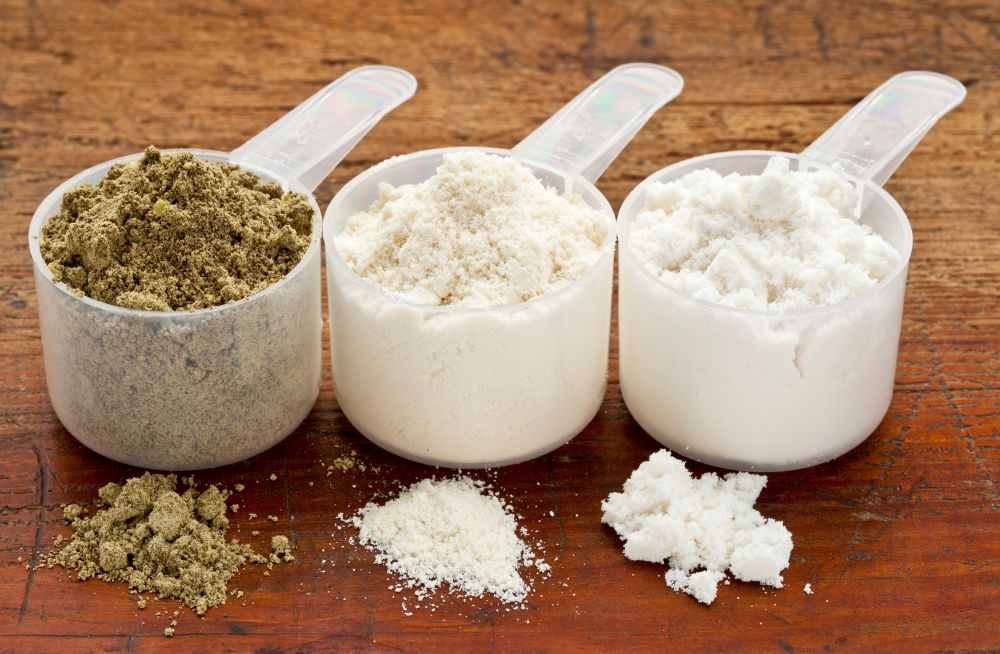
Granulation is a processing technique used to improve the physical properties of powders during dietary supplement manufacturing. Its primary purpose is to enhance flowability, compressibility, and content uniformity, all of which are critical for consistent production performance and finished product quality.
Granulation can also help reduce dust generation and mitigate undesirable flavor or odor characteristics associated with certain raw materials. Granulated ingredients are particularly well-suited for use in chewable tablets, effervescent tablets, capsules, and functional food powders.
Agglomeration
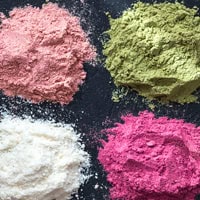
Agglomeration is a processing technique that transforms fine nutraceutical powders into larger, porous granules or pellets to improve handling and performance characteristics. This process enhances flowability, reduces segregation, and improves downstream manufacturing efficiency.
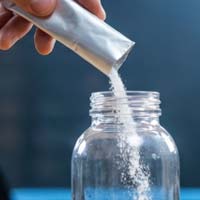
Agglomerated materials are often designed to be nearly dust-free and free-flowing, which supports improved blending and packaging performance. In powdered drink formats, agglomeration also enhances dispersibility and wetting properties, allowing the finished product to dissolve more readily and deliver a more enjoyable consumer experience.
Particle Sizing
Uniform particle size and controlled particle-size distribution are essential for maintaining powder quality, blend uniformity, and manufacturing consistency. Variability in particle characteristics can affect flow behavior, segregation risk, compression performance, and finished product appearance.
Through techniques such as granulation, agglomeration, milling, oscillation, sieving, coating, and precision tooling adjustments, particle size can be increased, reduced, matched, or customized to develop tailored powder systems aligned with specific formulation and processing requirements.
Supplement Formats
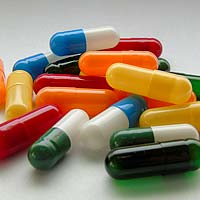
Conventional tablets, capsules, and powders remain standard, reliable delivery systems within the dietary supplement industry. However, alternative dosage forms are increasingly important, particularly for the significant portion of the population that has trouble swallowing traditional formats, as well as individuals with “pill fatigue” from swallowing multiple capsules or tablets as medications or dietary supplements:
- Orally disintegrating tablet (ODT) tablets – These are formulated to dissolve or disintegrate in your mouth before swallowing. Sometimes ODTs are also referred to as fast-melting or quick-dissolve tablets.
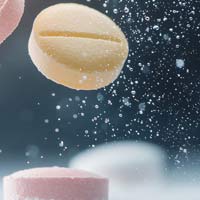
- Effervescent tablets – These are typically round tablets that are larger than regular tablets and designed to be placed in a glass of water, where they fizz and dissolve into the liquid. Microencapsulated and controlled-release effervescent tablets offer the potential for faster absorption of active ingredients.
- Chewable tablets – These tablets are specifically intended to deliver a payload of nutraceuticals, while offering highly palatable flavor systems, flexible sweetening options, desirable mouthfeel, and strong stability throughout the product’s intended shelf life. These alternative delivery formats offer advantages in convenience, ease of use, and rapid disintegration, which may support efficient nutrient availability. They also provide a point of differentiation in a competitive marketplace where format innovation can enhance consumer appeal.
Stability and Shelf Life
Stability testing is essential to help ensure the quality, potency, and safety of dietary supplements throughout their intended shelf life. It evaluates how a product’s physical, chemical, and microbiological characteristics may change over time and under various environmental conditions.
Controlled laboratory studies assess how nutrients and other ingredients perform under standard storage scenarios, including exposure to temperature fluctuations, humidity, light, oxygen, and pH variation. These data points inform expiration dating, storage recommendations, and packaging decisions. Proper stability validation protects label claim integrity and supports long-term brand credibility.
Quality of Raw Ingredients
Formulation success begins with the selection of high-quality, evidence-based raw materials. Ingredient choice should be guided by scientific support, demonstrated bioavailability, compatibility within the formula matrix, and supply chain reliability.
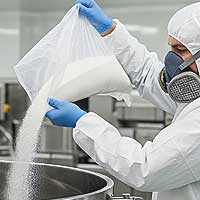
While domestic sourcing may be preferred in certain cases, geographic origin alone does not determine ingredient quality. What matters most is rigorous qualification and verification. All raw materials should undergo identity testing, potency verification, microbiological evaluation, and heavy metal analysis prior to use in manufacturing. Robust supplier auditing and documentation systems are equally critical to ensuring consistent product performance.
Regulatory Compliance and Safety
Regulatory compliance and third-party certifications play a central role in dietary supplement manufacturing. Many major retailers and e-tailers (e.g., Amazon) require products to be produced in facilities that adhere to current Good Manufacturing Practices.
GMP certification provides documented assurance that products are manufactured under validated processes, quality control systems, and traceability protocols. Third-party certifications, such as NSF GMP and NSF Certified for Sport, offer additional verification of manufacturing standards and ingredient screening procedures. These credentials strengthen retailer confidence and enhance consumer trust.
Conclusion
As more men take a proactive approach to their health through exercise, nutrition, hydration, and supplementation, the men’s health category continues to grow in response to this sustained shift in consumer behavior. For brand owners, success in this category requires more than selecting trendy nutrients. It requires thoughtful formulation, validated processing strategies, stability planning, and strict regulatory compliance.
Partnering with an experienced vitamins and supplements manufacturer is critical to ensuring your product delivers quality, consistency, and market credibility. From advanced particle engineering and format selection to rigorous testing and GMP-certified vitamin manufacturing, the right partner can transform a strong concept into a scalable commercial product. Vitaquest possesses over four decades of technical expertise, advanced manufacturing capabilities, and a proven commitment to quality that supports sustainable brand growth.
If you are ready to manufacture important vitamins for men that include the ingredients outlined in this article, call 800-526-9095 to speak with one of our knowledgeable production specialists or request a competitive nutraceutical manufacturing quote if you’ve already finalized your project requirements.
Frequently Asked Questions (FAQs) about Important Vitamins for Men
What are the key challenges in formulating vitamin supplements for men?
Key challenges include selecting clinically supported ingredient levels, ensuring regulatory compliance across domestic and international markets, and substantiating all structure/function claims. Brands must also avoid underdosing ingredients for label appeal. Partnering with an experienced manufacturer helps ensure scientific integrity, formulation feasibility, and long-term commercial viability.
What are the emerging trends in vitamin supplement formulations for men?
Emerging trends include increased interest in tocotrienols for antioxidant and cellular support, as well as choline for its role in methylation, body composition, and cellular health. Brands are also focusing on advanced delivery formats, enhanced bioavailability strategies, and formulations aligned with healthy aging and performance-oriented positioning.
How do you ensure the bioavailability of vitamins in supplements?
Bioavailability begins with selecting ingredient forms supported by human research. It also depends on thoughtful formulation design, including appropriate dosing, excipient selection, and particle engineering. Working with an experienced supplement manufacturer helps ensure that processing methods, delivery formats, and stability considerations support optimal nutrient availability.
How can manufacturers balance quality and cost when formulating vitamin supplements?
Cost balance requires strategic ingredient selection. Clinically validated, trademarked “hero” ingredients may justify higher investment due to research backing and marketing value. Supporting nutrients can be sourced cost-effectively without compromising quality, provided they meet rigorous testing standards for identity, potency, purity, and compliance.
What are the main challenges manufacturers face when ensuring vitamin stability during production and packaging?
Vitamin stability can be influenced by heat, moisture, oxygen exposure, and formulation interactions. Experienced GMP-certified manufacturers mitigate these risks through validated processing controls, protective packaging strategies, and stability testing protocols. Proper formulation planning and environmental controls are essential to maintaining label claim integrity throughout shelf life.