




























The International Scientific Association for Probiotics and Prebiotics defines probiotics as “live microorganisms that, when administered in adequate amounts, confer a health benefit on the host.”1Hill C, Guarner F, Reid G, Gibson GR, Merenstein DJ, Pot B, et al. The International Scientific Association for Probiotics and Prebiotics consensus statement on the scope and appropriate use of the term probiotic. Nat Rev Gastroenterol Hepatol 2014;11:506-14. These microorganisms primarily consist of beneficial bacteria, though certain yeast species may also qualify as probiotics.
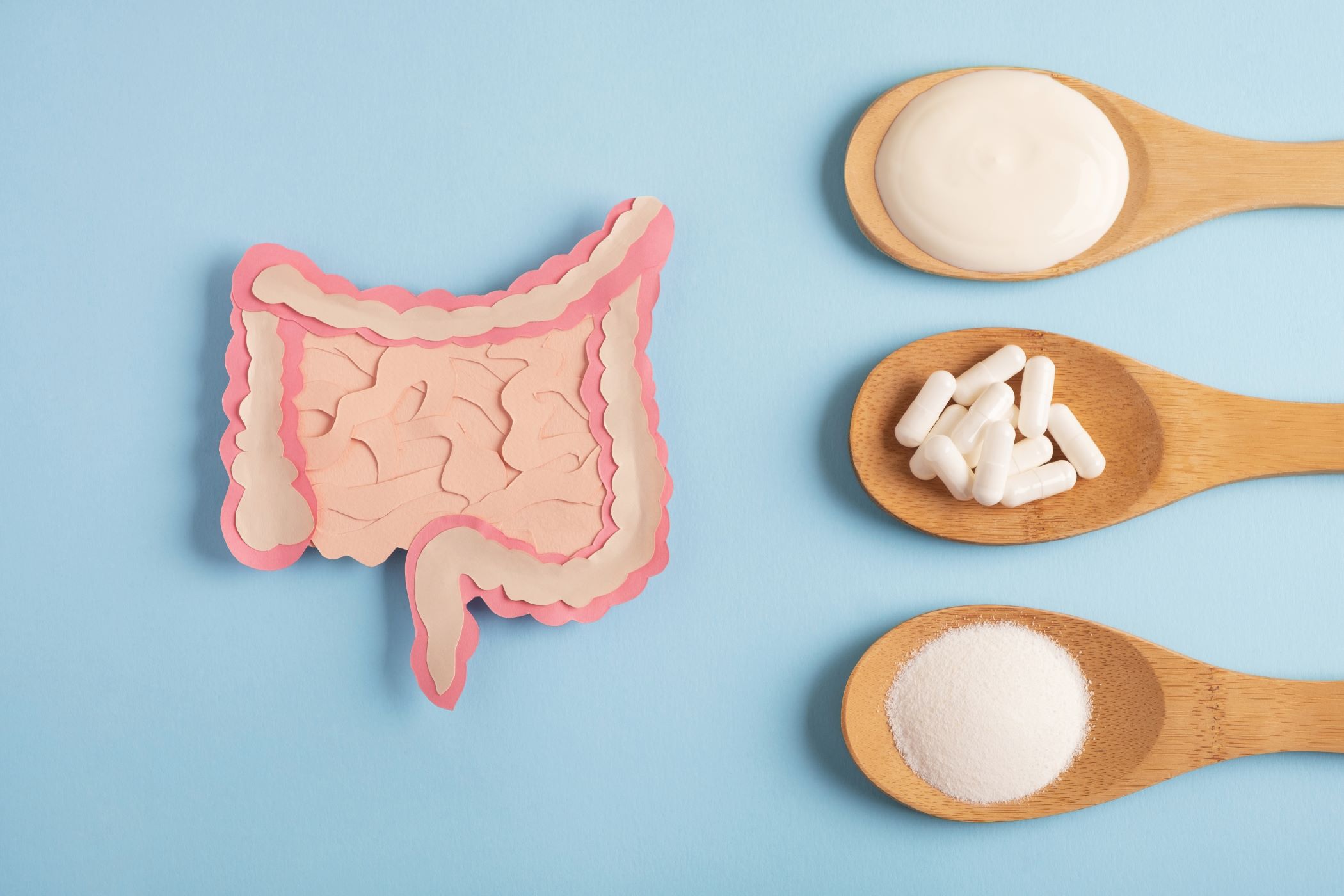
Probiotics are commonly found in fermented foods such as yogurt, as well as in dietary supplements designed to deliver targeted strains in consistent amounts. Once ingested, probiotics travel through the gastrointestinal tract, where some strains inhabit the small intestine or the large intestine while others pass through the system, offering functional benefits during transit.
Because probiotics are living organisms, their viability depends on precise handling, formulation, and environmental control throughout every stage of the probiotic supplement manufacturing process. Choosing an experienced probiotic supplement manufacturer is essential to maintain product stability, ensure potency, and deliver supplements that meet both regulatory and consumer quality expectations.
In this article, we’ll explain each stage of this meticulous process, from strain selection and fermentation to blending, encapsulation, and quality testing, to show how careful control at every step ensures product stability, potency, and effectiveness.
Why Should Brands Consider Probiotic Supplement Products?
As a brand owner, why should you consider adding high-quality probiotics to your supplement product line? Simply put, the probiotic dietary supplement market remains one of the fastest-growing segments in the dietary supplement industry. The global probiotics market was valued at $87.7 billion in 2023 and is projected to reach $220.14 billion by 2030, growing at a compound annual growth rate (CAGR) of 14.1%.2Probiotics Market Size, Share & Trends Analysis Report By Product, By Ingredient (Bacteria, Yeast), By Distribution Channel, By End Use (Human Probiotics, Animal Probiotics), By Region, And Segment Forecasts, 2024 – 2030. Grand View Research. Retrieved September 4, 2025 from https://www.grandviewresearch.com/industry-analysis/probiotics-market.
This growth is driven by increasing consumer focus on digestive wellness and the expanding understanding of the gut–health connection. Between 2018 and 2020, the number of consumers reporting digestive discomfort rose from 15% to 21%, further fueling demand for probiotic-based products.
Common probiotic strains used in supplements include:
- Bifidobacterium bifidum, Lactobacillus acidophilus & Lactobacillus rhamnosus GG – Supporting healthy immune function.3Erickson KL, Hubbard NE. Probiotic Immunomodulation in Health and Disease. J Nutr. 2000;130:403S–409S.4Perdigon G, Alvarez S, Rachid M, Aguero G, Gobbato N. Immune system stimulation by probiotics. J. Dairy Sci. 1995;78:1597–1606. 5Elmadfa I, Klein P, Meyer AL. Session 7: Prebiotics and probiotics usefulness against pathologies: Immune-stimulating effects of lactic acid bacteria in vivo and in vitro. Proc Nutr Soc. 2010;69:416–420.
- Lactobacillus rhamnosus NH001 – Helping with postpartum mood.6Slykerman RF, Hood F, Wickens K, Thompson JMD, Barthow C, Murphy R, Kang J, Rowden J, Stone P, Crane J, Stanley T, Abels P, Purdie G, Maude R, Mitchell EA; Probiotic in Pregnancy Study Group. Effect of Lactobacillus rhamnosus HN001 in Pregnancy on Postpartum Symptoms of Depression and Anxiety: A Randomised Double-blind Placebo-controlled Trial. EBioMedicine. 2017 Oct;24:159-165. doi: 10.1016/j.ebiom.2017.09.013. Epub 2017 Sep 14. PMID: 28943228; PMCID: PMC5652021.
- Bacillus subtilis DE111 – Promoting healthy bowel movements.7Cuentas AM, Deaton J, Davidson J, Ardita C. The Effect of Bacillus subtilis DE111 on the Daily Bowel Movement Profile for People with Occasional Gastrointestinal Irregularity. J Prob Health. 2017; 5: 189
- Streptococcus salivarius K12 – Promoting healthy mucous membranes in the mouth and throat.8Di Pierro F, Adami T, Rapacioli G, Giardini N, Streitberger C. Clinical evaluation of the oral probiotic Streptococcus salivarius K12 in the prevention of recurrent pharyngitis and/or tonsillitis caused by Streptococcus pyogenes in adults. Expert Opin Biol Ther. 2013 Mar;13(3):339-43.
- Akkermansia muciniphila – Promoting weight loss and healthy cardiometabolic parameters.9Depommier C, Everard A, Druart C, Plovier H, Van Hul M, Vieira-Silva S et al (2019) Supplementation with Akkermansia muciniphila in overweight and obese human volunteers: a proof-of-concept exploratory study. Nat Med 25(7):1096–1103.
Now that we’ve established the importance of probiotics, let’s take a closer look at the probiotics manufacturing process and what it takes to ensure consistent quality and viability.
The Key Steps in the Probiotics Manufacturing Process
Have you ever wondered, “How are probiotics made?” The probiotics manufacturing process involves several carefully controlled steps designed to ensure the viability, purity, and effectiveness of every batch.
Below is an overview of the main stages involved in probiotic supplement manufacturing.
- Formulation – It all starts with the formulation. What benefits do you want your product to offer consumers? Selecting the right evidence-based probiotic strain is the first step (more on this below!)
- Submitting a Purchase Order – This is the step that gets the ball rolling. Once a purchase order is placed, your probiotic contract manufacturing facility can then place an order for the probiotic raw materials that will be used in your product.
- Ordering Raw Materials – This often takes the most time of any step in the manufacturing of probiotics. Why? Since probiotics are live microorganisms, many strains must first be grown before they can be packaged and shipped. This entire process may take up to 8 weeks.
- Testing Raw Materials – Once they arrive, your probiotic powder manufacturer (or capsule supplement manufacturer) must test the probiotic(s) for identity and potency, microbiological compliance, and heavy metal compliance.
- Pilot Batch – Typically, a pilot batch is run to determine that the product will run correctly on the equipment during the actual production run.
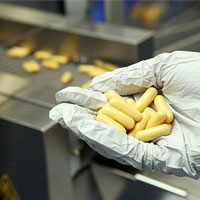
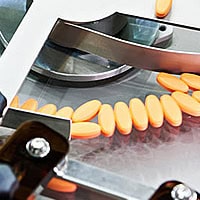
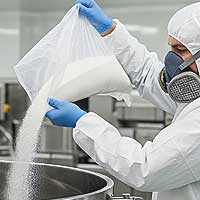
- Production Batch – The production batch next produces the finished product, which is typically in powder or capsule form.
- Finished Product Testing – As with raw material testing, identity and potency, microbiological compliance, and heavy metal compliance testing are also typically conducted for finished products.
Strain Selection
As noted earlier, different probiotic strains serve distinct functions, making strain selection one of the most critical steps in product formulation. The chosen strain must align with the intended purpose of the supplement while also demonstrating the necessary stability to remain viable through processing, storage, and digestion.
Probiotic stability can be affected by gastrointestinal conditions such as stomach acid, bile salts, and digestive enzymes. To account for these challenges, many studies use higher colony-forming unit (CFU) counts to help ensure that sufficient live bacteria reach the intestinal tract intact. As many probiotics are sensitive to stomach acid and bile, stable strains are developed by challenging them in high-acid media containing bile. As with the reality show Survivor, only the most acid- and bile-resistant strains are chosen for further development and culturing.



Such challenges are not required for all probiotic strains. Some species, such as those within the Bacillus genus, naturally form protective spores that allow them to survive in harsh digestive environments while maintaining potency. In addition, certain probiotic strains are available in microencapsulated forms, which provide an added layer of protection during transit through the stomach and small intestine.
Ultimately, selecting the right probiotic strain means balancing the desired functional benefits with proven stability to ensure product consistency and effectiveness.
Cultivation and Fermentation of Probiotics
Before probiotic microorganisms can be used in supplements, they must first be cultivated and fermented by the raw material supplier. Cultivation begins by introducing selected microorganisms into a nutrient-rich growth medium designed to support their optimal development.
The probiotic fermentation process takes place under tightly controlled conditions, such as specific temperature, pH, and aeration levels, to promote maximum bacterial growth and ensure consistent microbial counts. By carefully monitoring these parameters, manufacturers can produce stable, high-quality probiotic cultures ready for use in formulation and downstream processing.
Freeze-Drying to Preserve Probiotics
The next step in the process, freeze-drying, enhances stability and shelf life by maintaining the viability of microorganisms during storage and distribution. This process removes moisture, placing the probiotics in a state of suspended animation that extends shelf life without compromising quality or effectiveness.
Once freeze-drying is complete, it is essential to minimize exposure to moisture, as contact with water can reactivate the microorganisms prematurely and reduce product stability.
Formulation, Blending, and Encapsulation
As mentioned in the previous section, it’s important to avoid combining probiotics with high-moisture ingredients in the final supplement formulation. However, there are still many compatible nutraceuticals that can be paired with probiotics to enhance functionality. Depending on the intended benefits, complementary ingredients may be selected. For instance, if a probiotic strain is intended to support cognitive function, it could be formulated alongside other common nootropic ingredients that have low water activity.
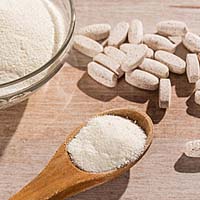
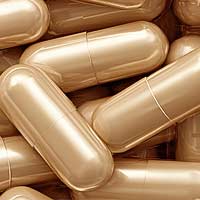
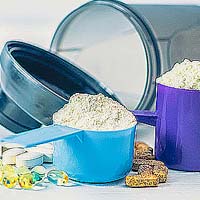
Probiotics can be manufactured in several dosage forms, including capsules, tablets, chewable tablets, powders, and direct-to-mouth stick packs. Liquid formats are typically avoided due to their higher moisture content, and most probiotics are also unsuitable for gummies, as the moisture can compromise viability and stability.
Key Considerations for Probiotic Supplement Manufacturing
Key considerations for the manufacturing of probiotics include maintaining stability and viability of the microorganisms, implementing rigorous quality control measures, and managing overall production costs.
Stability and Viability
Although freeze-dried probiotics are in a state of suspended animation, they remain alive and susceptible to degradation. Maintaining stability during warehousing, manufacturing, distribution, and storage by the consumer is therefore critical. Once received from the raw material supplier, probiotics should be stored in temperature- and humidity-controlled environments, and the same applies to finished products.
Strains that are not heat-stable must be shipped using insulated or temperature-controlled packaging to preserve viability. If products are distributed through platforms such as Amazon, consider that warehouse temperatures can exceed 100°F during the summer months, so selecting resilient strains is essential. An experienced contract supplement manufacturer can guide you in making the right strain and supplement packaging design choices.
Quality Control
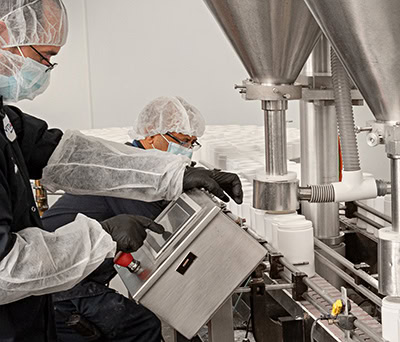
Quality control is especially critical for probiotics since they are living microorganisms. Following established SOPs for testing, handling, and documentation helps maintain product purity, potency, and viability, while minimizing the risk of contamination throughout the production process.
Cost Considerations
As with any supplement, cost factors should be part of early planning. Choosing hardy, heat-resistant strains can reduce shipping and storage expenses, while highly researched strains may justify higher costs for premium formulations. Alternatively, pairing probiotics with complementary but lower-cost nutraceuticals can help balance product value and profitability.
Common Challenges in Probiotic Supplement Manufacturing
Some of the most common challenges in probiotic manufacturing involve managing contamination risks and ensuring accurate label claims.
Contamination Risks
Contamination can occur when working with an inexperienced probiotic powder manufacturer or one that does not fully adhere to Good Manufacturing Practices (GMPs). For example, if equipment is not properly cleaned between batches, residue from a previous run could contaminate the next product. This not only presents adulteration concerns but also increases the risk of probiotic degradation, particularly if the contaminant contains excess moisture.
These issues can be avoided by partnering with a GMP-certified contract manufacturer experienced in probiotic formulations and dedicated to strict sanitation and process control standards.
Label Claims
Probiotic activity is typically measured in CFUs. Maintaining label accuracy can be challenging since probiotic viability may decline over time. Selecting robust strains and adding overages that are calibrated to project the stability of each individual strain can help to ensure that your product meets its CFU shelf-life target.
Key Considerations When Choosing a Probiotic Manufacturer
The right contract manufacturer can help you avoid some of the challenges associated with probiotic supplement manufacturing and even help you to identify the best strains for your probiotic product. Of course, there are criteria to consider when choosing a contract manufacturing partner. These include:
| Key Criteria | What to Look For |
| Expertise & Experience | Proven track record in probiotic production. |
| Certifications (e.g., GMP, ISO) | Relevant certifications that ensure quality and safety. |
| Strain Selection & Quality | Access to high-quality, well-researched strains. |
| Customization Options | Ability to tailor formulations and delivery methods. |
| Quality Control & Testing | Ongoing testing and consistency in batch potency. |
| Regulatory Compliance | Adherence to FDA, EU, and local regulations. |
| Production Capacity | Capability to scale production without compromising quality. |
| Cost & Lead Time | Competitive pricing and reliable production timelines. |
Vitaquest meets and exceeds the highest standards in the end-to-end handling of probiotic ingredients, making it one of the most trusted probiotic supplement manufacturers in the United States. In fact, Vitaquest is the largest non-originator contract manufacturer of probiotic supplements in the country and produces more than 50 million retail units of finished probiotic products annually. With over 45 years of dietary supplement contract manufacturing experience and access to more than 100 probiotic strains, Vitaquest continues to set the benchmark for quality, innovation, and reliability in probiotic supplement manufacturing.
In addition, Vitaquest continues to invest in specialized capabilities to support the evolving demands of probiotic supplement manufacturing. In February 2026, Vitaquest opened a dedicated Probiotics Manufacturing Suite designed specifically for handling live cultures. This specialized space allows for greater control during production, helping protect probiotic stability and potency while supporting a wider range of formulations. Combined with in-house ingredient preparation capabilities, Vitaquest offers a streamlined approach for developing high-quality probiotic supplements with consistency and reliability.
Wrapping Up the Discussion of the Probiotic Supplement Manufacturing Process
In this article, we’ve explored the full scope of how probiotics are manufactured, from strain selection and fermentation to formulation, encapsulation, and final product testing. Each step in the probiotic manufacturing process plays a critical role in ensuring that the finished supplement is stable, potent, and effective.
We also covered the key considerations that define successful probiotic production, including strain viability, quality control, and regulatory compliance. With decades of expertise, Vitaquest continues to set the standard for excellence in probiotic supplement manufacturing, helping brands create and bring reliable, science-driven products to market with confidence.
Are you ready to discuss your probiotic supplement manufacturing project with Vitaquest? Call 800-526-9095 to speak with one of our knowledgeable sales executives or request a nutraceutical manufacturing price quote if you’ve already finalized your project requirements!
Frequently Asked Questions about the Probiotic Supplement Manufacturing Process
How do probiotics survive the manufacturing and shipping process?
That is largely a function of the contract manufacturer who produced it. To maintain viability, an experienced supplement manufacturer will make sure the probiotic microorganisms are stored in a temperature- and humidity-controlled environment. Likewise, those products that contain heat-sensitive probiotics will be shipped using temperature-controlled and insulated packaging or in temperature-controlled trucks.
What are the most common forms of probiotic supplements available?
Capsules, tablets, chewable tablets, powders, or sachets/stick packs are most common. Liquids are generally not a good choice due to stability issues. The same is generally true with gummies unless very hardy probiotic strains are used.
How long do probiotics last once they are manufactured?
It really depends upon the specific probiotic strains used. Many strains can support shelf lives of up to 24 months at room temperature if formulated, manufactured, packaged, and stored appropriately.
What are the key quality control tests for probiotic supplements?
The most common quality control tests for probiotic supplements are those that verify identity and potency, microbiological compliance, and heavy metal compliance.