


















































Key Takeaways
- In 2026, innovation in flavor development is accelerating, with a clear shift toward natural, bold, and functional profiles that align with evolving consumer expectations.
- Flavor plays a critical role in product success, directly influencing adherence, customer satisfaction, and repeat purchase behavior.
- Functional and experiential flavor systems are enabling brands to better align taste with product positioning and intended use.
- Advanced technologies, such as encapsulation and effervescent delivery systems, are creating new opportunities for differentiation and enhanced sensory experiences.
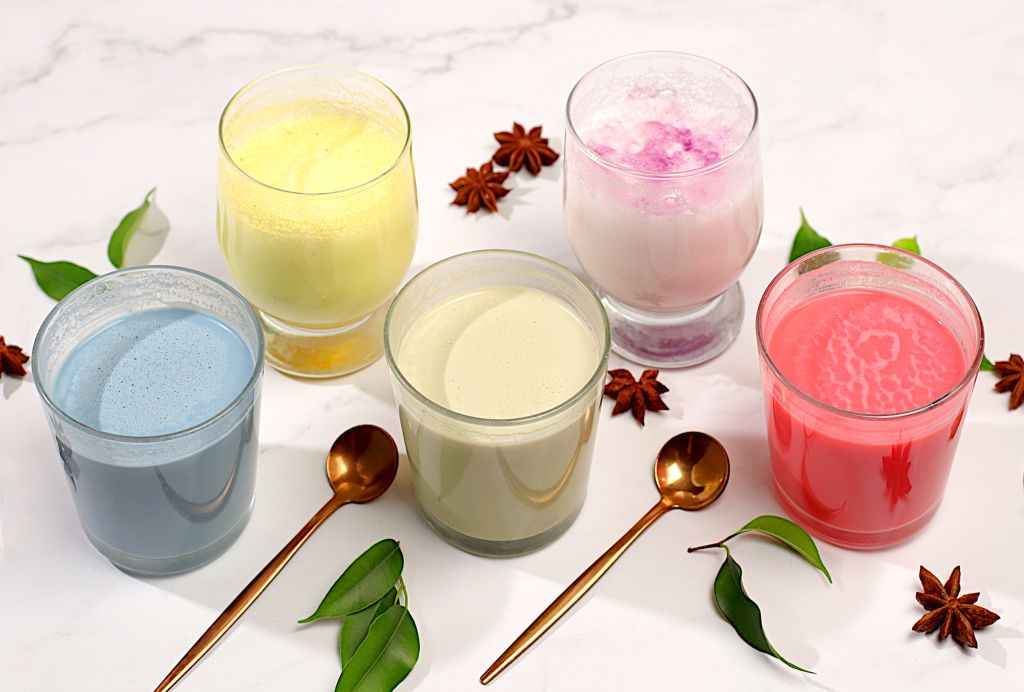
- QFIZZ® is a game-changing effervescent technology enabling custom wellness and sensory experiences with actives, flavor, color, texture, and sound.
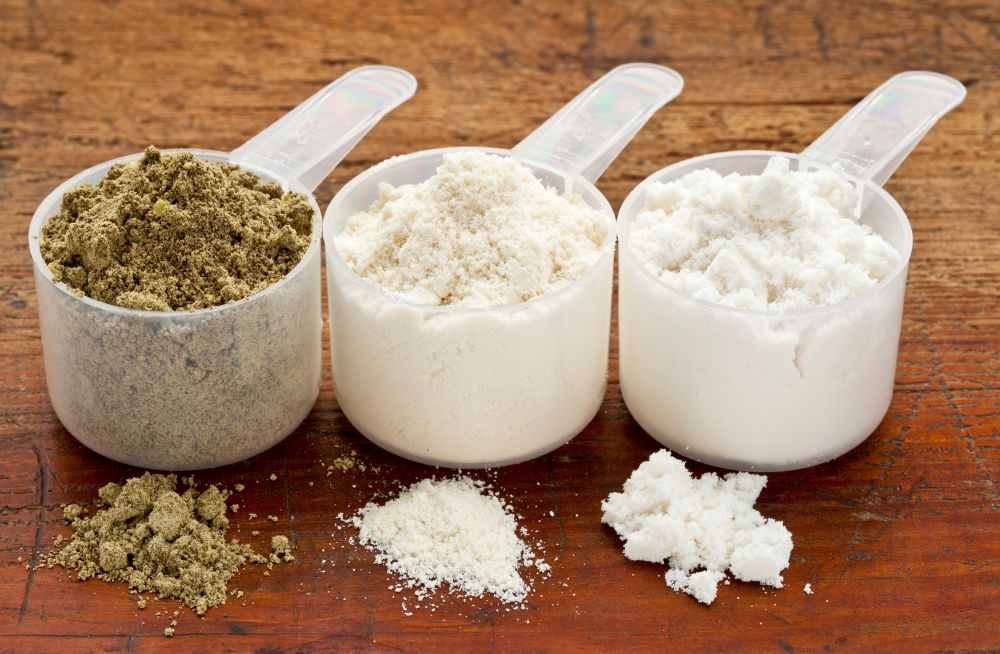
Like the food industry, supplement flavor trends continue to evolve each year across effervescent, chewable, and orally disintegrating tablets, as well as powders and lozenges. Any flavored supplement delivery format must align with evolving consumer taste preferences and expectations.
In 2026, innovation is a key driver of supplement flavor trends, with a clear shift toward natural, bold, and functional flavor profiles.
This article explores why flavor plays a critical role in today’s supplement market and highlights the key trends shaping product development. It also examines how brands can leverage functional flavors, personalization, and customization to differentiate their products. In addition, we will cover considerations for expanding flavor strategies beyond powders and the key factors brands should evaluate when developing new supplement flavors.
Why Flavor Matters in Supplements in 2026
The global dietary supplement market is highly competitive, with an estimated value of $190 to $210 billion annually and strong projected growth over the next decade.1Dietary Supplements Market (2026 – 2033). Grand View Research. Retrieved March 12, 2026 from https://www.grandviewresearch.com/industry-analysis/dietary-supplements-market-report. 2Dietary Supplements Market Size Expected to Reach USD 430.39 Bn by 2034 Driven by Preventive Healthcare, Personalized Nutrition, and Rising Health Awareness. GlobalNeswire. Retrieved March 12, 2026 from https://www.globenewswire.com/news-release/2025/12/17/3207029/0/en/Dietary-Supplements-Market-Size-Expected-to-Reach-USD-430-39-Bn-by-2034-Driven-by-Preventive-Healthcare-Personalized-Nutrition-and-Rising-Health-Awareness.html. 3Dietary Supplement Market Forecast and Outlook 2025 to 2035. Fact.MR. Retrieved March 12, 2026 from https://www.factmr.com/report/dietary-supplements-market. In such a crowded landscape, differentiation is critical. As consumer preferences continue to shift toward healthier and more enjoyable supplement experiences, flavor has emerged as a key competitive advantage.
Well-developed supplement flavors can influence adherence and repeat purchases, making flavor a critical component of successful product formulation.
One important consideration is WONF (With Other Natural Flavors), a labeling designation for natural flavor systems that use a primary characterizing flavor, such as strawberry, combined with other natural ingredients. These additional components enhance, stabilize, and round out the overall taste profile. This approach allows brands to achieve a consistent and robust flavor while maintaining a “natural” label claim, which is increasingly important for consumers seeking cleaner labels.
In many cases, brands also aim to minimize the use of masking agents and modulators, enabling more specific labeling such as “natural orange flavor” instead of the broader “natural flavors.”
Exploring the Latest Trends in Supplement Flavors
Flavor innovation continues to expand across multiple categories, reflecting evolving consumer preferences and market demands. Key areas of growth include:
- Natural and clean-label flavors
- Tropical and exotic fruit flavors
- Botanical and floral flavors
- Nostalgic and childhood-inspired flavors
- Sweet and sour flavor combinations
- Core citrus and fruit flavors
- Regional and culturally inspired flavors
- Natural sweeteners
- Functional flavor systems
The following sections provide an overview of each of these categories.
Natural and Clean Flavors Leading the Charge
At Vitaquest, we rarely ever get asked to use artificial flavors. Today’s customers are prioritizing all-natural, non-GMO, and organic flavor systems to support clean label positioning and meet growing consumer expectations for transparency and the avoidance of artificial additives.
This shift has also led to the incorporation of culinary-inspired ingredients, such as rosemary, thyme, and ginger, into more complex flavor profiles. Combinations like ginger-orange are a strong example of how familiar, food-based ingredients are being used to create differentiated and appealing flavor experiences.
Vibrant Tropical & Exotic Fruits Flavors Making Waves
Tropical profiles appeal to consumers seeking more adventurous and refreshing taste experiences compared to traditional citrus options. In fact, tropical fruits represent one of the fastest-growing flavor categories in supplement flavoring.4Kerry names the top supplement flavour trends for 2025. Nutraceutical Business Review. February 24, 2024. Retrieved March 12, 2026 from https://www.nutraceuticalbusinessreview.com/kerry-top-supplement-flavour-trends-2025.

Popular profiles include mango, watermelon, apricot, guava, and lychee. In fact, in 2025, Vitaquest named lychee as its “Supplement Flavor of the Year,” reflecting increasing demand for exotic fruit profiles across functional beverages, hydration products, and stick packs.5Vitaquest Crowns Lychee as the 2025 Supplement Flavor of the Year. GlobalNewsWire. January 6, 2025. Retrieved March 12, 2026 from https://www.globenewswire.com/news-release/2025/01/06/3004692/0/en/Vitaquest-Crowns-Lychee-as-the-2025-Supplement-Flavor-of-the-Year.html.
This momentum has carried into 2026, with continued growth in tropical and exotic flavor adoption. The hydration category, in particular, is driving innovation with more unique combinations such as mango-berry, strawberry piña colada, and nostalgic candy-inspired profiles like pink starburst and white gummy bear.
Rise of Botanical and Floral Flavors
Botanical and floral profiles are gaining traction as consumers increasingly associate these flavors with wellness and elevated product experiences. Common examples include lavender, hibiscus, chamomile, rose, and elderflower.
These dietary supplement flavors are frequently incorporated into sleep, stress, and relaxation formulations, where they help reinforce a product’s positioning around calmness and overall well-being.
Nostalgia & Childhood Classics: Bringing Back Flavor Memories
Nostalgic, childhood-inspired flavors are making a strong return as brands look to create familiar and emotionally engaging product experiences. These profiles evoke comfort while appealing to both younger consumers and those revisiting flavors from earlier life stages.
Popular examples include grape, cherry, orange creamsicle, cotton candy, and frosted lemonade, all of which are being reintroduced in modern supplement formats. Creamy and frosted profiles also pair well with whey-based systems, where dairy notes can enhance overall flavor perception.
In contrast, clear protein formulations tend to be more acidic, making fruit-forward profiles such as lemon and orange more effective from a taste and stability standpoint.
Additional classic profiles such as caramel, vanilla, chocolate, cocoa, and tutti-frutti continue to perform well across multiple categories.6Kerry names the top supplement flavour trends for 2025. Nutraceutical Business Review. February 24, 2024. Retrieved March 12, 2026 from https://www.nutraceuticalbusinessreview.com/kerry-top-supplement-flavour-trends-2025. Flavor houses also indicate growing interest in more indulgent combinations, such as pistachio and chocolate.
These flavor profiles are particularly well-suited for applications including protein powders, collagen creamers, nighttime collagen products, mushroom coffee, and traditional coffee formulations.
Sweet & Sour Combinations: A Bold Flavor Fusion
Multi-layered flavor systems are increasingly being used to enhance palatability and create more dynamic taste experiences. For example, sweet and sour combinations such as the ones listed below are gaining traction for their bright, tangy profiles and broad consumer appeal.
- Passionfruit-orange-guava
- Mango-berry
- Watermelon-lime
- Apricot-peach
- Strawberry-watermelon
- Berry-lemonade
- Blood orange-mint
- Grapefruit-cucumber
These sweet-tart profiles are especially effective in chewable tablets, hydration powders, and formulations targeting energy, detox, and gut health, where a more vibrant flavor profile can help balance functional ingredients.
Core Citrus & Fruit Flavors
Classic fruit profiles continue to play a foundational role, particularly in immune and vitamin-focused products. Widely recognized flavors such as orange, lime, apple, and mixed berry remain dominant due to their familiarity and compatibility with a wide range of active ingredients.
These profiles are not only broadly accepted by consumers but are also relatively easy to formulate, making them a reliable choice for many product types.7Kerry names the top supplement flavour trends for 2025. Nutraceutical Business Review. February 24, 2024. Retrieved March 12, 2026 from https://www.nutraceuticalbusinessreview.com/kerry-top-supplement-flavour-trends-2025. Notably, apple and grape are experiencing renewed interest, particularly within sports nutrition applications.
Regional & Cultural Profiles in Supplement Flavors
Regional and culturally inspired flavors are emerging as brands seek to differentiate their products and align with broader food and beverage trends. These profiles introduce unique and globally influenced taste experiences into supplement formulations.
Examples include Cajun-inspired spice profiles from the southern United States, tahini from the Middle East, and matcha from Japan. More recently, concepts such as hojicha latte, matcha latte, and hot honey flavor combinations have gained attention, reflecting increased consumer interest in globally inspired and premium flavor experiences.
Natural Sweeteners: A Healthier Alternative to Sugar
Demand for natural sweeteners continues to grow as brands seek alternatives to traditional sugar in supplement formulations. Ingredients such as stevia and monk fruit are widely used due to their low glycemic impact and zero-calorie profiles.
These sweeteners are often paired with functional formulations to deliver sweetness without the drawbacks associated with added sugars.
Rebaudioside A, a component of stevia, remains one of the most used options. However, there is a growing shift toward rebaudioside M, which can be produced through fermentation of rice and the stevia leaf plant. Rice appeals to customers as a new, clean source with little social media stigma. This next-generation sweetener offers improved sweetness quality, better masking of active ingredients, and reduced bitterness compared to traditional stevia extracts.
Functional Flavors: More Than Just Taste
Functional flavors are designed to deliver both sensory appeal and targeted benefits. In these systems, botanical extracts may be included at specific use levels to support a product’s intended function, while also contributing to the overall flavor profile.
This approach is gaining traction, particularly with natural fruit extracts and botanical combinations such as blood orange juice extract and lemon oil, which can help reinforce product positioning.
However, there are important considerations. Functional ingredients often require higher inclusion levels than traditional flavor systems, which can impact cost and formulation complexity. In addition, regulatory guidance around labeling can be less defined, requiring careful evaluation to ensure compliance.
That said, when used at appropriate levels, certain ingredients may support structure/function claims if they are properly substantiated.
Examples of functional flavor pairings include:
- Ginger, lemon, and honey for digestive support
- Cinnamon and apple for metabolic health positioning
- Mint or lime in hydration and electrolyte formulations
- Lavender or chamomile for calm and relaxation positioning
- Lemon balm for cognitive support and mental clarity
- Berry and açaí for energy and performance positioning
- Hibiscus, rose, and other floral or herbal profiles for lifestyle, longevity, beauty-from-within, and hydration products
Future Trends: Personalization and Flavor Customization
Personalized flavor experiences are becoming increasingly achievable as custom supplement formulations continue to advance. Brands now have greater flexibility to tailor flavor profiles based on individual preferences, health goals, and product positioning.
At the same time, artificial intelligence and data analytics are playing a growing role in shaping flavor strategy. These technologies allow companies to move beyond traditional survey methods and instead leverage real-time, predictive insights into consumer preferences and behavior.
AI-driven systems can analyze large volumes of consumer-generated data, including social media activity, product reviews, blogs, and online forums, to identify emerging flavor patterns and gauge emotional responses. In parallel, machine learning models evaluate historical sales data, purchasing behavior, and demographic trends to help forecast future shifts in consumer demand.
Flavoring Delivery Formats Beyond Powders
While powders remain a dominant format, flavor development in dietary supplements now extends across a wide range of delivery systems. Alternative formats also require careful flavor consideration to ensure a positive consumer experience, including chewable tablets, effervescent tablets, and orally disintegrating tablets (ODTs).
Chewable tablets rely on strong flavor performance, but with additional emphasis on texture and sweetness balance. Since these products are chewed rather than swallowed whole, any off-notes from active ingredients must be effectively masked to maintain a pleasant taste experience.
Effervescent tablets present a different set of challenges. These products are dissolved in water before consumption, requiring flavor systems that perform well in solution. Factors such as solubility, taste balance, and stability in a liquid medium must all be considered to ensure a consistent and enjoyable drinking experience.
Orally disintegrating tablets are designed to dissolve in the mouth before swallowing and are often referred to as fast-melt or quick-dissolve formats. Because the product is experienced directly on the tongue, flavor and mouthfeel are critical to overall acceptability.
Key Considerations for Supplement Brands When Developing Flavors
There are a couple of key considerations for supplement brands when developing flavor profiles. These include selecting the right flavor approach for different consumer segments and leveraging technology to enhance flavor performance and product differentiation.
Selecting the Right Flavor Profile for Different Consumer Segments
Consumer demographics play a significant role in shaping flavor preferences. Taste perception, cultural exposure, lifestyle priorities, and even physiological factors can vary across population groups.
For example, younger consumers, including Gen Z and Millennials, tend to favor bold, novel, and globally inspired flavors. These groups are more open to experimentation with spicy, sour, and fusion profiles. In contrast, older consumers, such as Gen X and Baby Boomers, often prefer more familiar and nostalgic flavors, along with more balanced sweetness and lower acidity levels.
It is also important to align flavor strategy with product positioning. Functional products targeting areas such as digestive health, relaxation, or cognitive support benefit from flavor profiles that reinforce their intended use. Identifying the most relevant flavor profiles within each consumer segment is a critical component of effective supplement formulation.
The Role of Technology in Flavor Development
Technology continues to play a central role in advancing flavor systems. Encapsulation, for example, allows for multi-stage flavor delivery throughout the consumption experience. A formulation may begin with a primary flavor such as strawberry, followed by a secondary note like lemon as the encapsulation dissolves, creating a dynamic strawberry lemonade profile over time.
Another applicable technology is Vitaquest’s QFIZZ®. QFIZZ®, an effervescent technology designed to deliver enhanced sensory experiences through the integration of actives, flavor, color, texture, and even sound. This platform enables the development of effervescent tablets that deliver beverage-like experiences, similar to the growing popularity of functional sodas. Because acidity drives the reaction, fruit-forward profiles such as dark cherry soda are particularly effective and align well with nostalgic taste preferences.
When evaluating these technologies, it is important to partner with a technologically advanced dietary supplement manufacturer that can support both innovation and scalability. Whether developing a new supplement formulation or scaling production across formats, including powder supplements manufacturing and tablet supplement manufacturing, selecting the right partner can significantly impact both product performance and market success.
Conclusion
Flavor continues to play a critical role in the success of dietary supplements in 2026 and beyond. As consumer expectations evolve, brands must move beyond basic taste and embrace more strategic, experience-driven approaches to flavor development. From natural and clean-label profiles to tropical, botanical, nostalgic, and functional flavor systems, the landscape is rapidly expanding with new opportunities for differentiation.
At the same time, advancements in technology, personalization, and delivery formats are reshaping how flavors are developed and experienced across powders, tablets, and beyond. As outlined throughout this article, selecting the right flavor profile, aligning with target consumer preferences, and leveraging innovative technologies are all essential components of a successful product strategy.
Whether you are launching your first product or looking to improve an existing formula or expand your product line, choosing the right contract development and manufacturing organization is critical. An experienced company can help guide your supplement formulation, optimize flavor performance, and bring your vision to market efficiently.
If you are ready to capitalize on emerging supplement flavor trends discussed in this article, contact Vitaquest today. Call 800-526-9095 to speak with one of our knowledgeable production specialists or request a nutraceutical manufacturing price quote if you’ve already finalized your project requirements!