












































Key Takeaways
- Nutraceuticals are food-derived ingredients commonly used in dietary supplements to support health, wellness, and nutrition.
- The nutraceutical market continues to experience strong growth as consumers increasingly seek personalized nutrition, clean-label products, and proactive wellness solutions.
- Nutraceuticals can be classified by source, biological activity, and bioactive compounds, helping brands make more informed decisions about formulation and product positioning.
- Nutraceuticals differ from pharmaceuticals, dietary supplements, and functional foods in their purpose, formulation, and regulatory considerations.
- Emerging trends such as personalized nutrition, plant-based ingredients, and technology-driven innovation are helping shape the future of the nutraceutical industry.
Nutraceuticals have emerged as one of the fastest-growing segments within the global health and wellness industry, reflecting a broader shift toward preventive health and proactive self-care.
So, what are nutraceuticals and what are nutraceutical supplements?
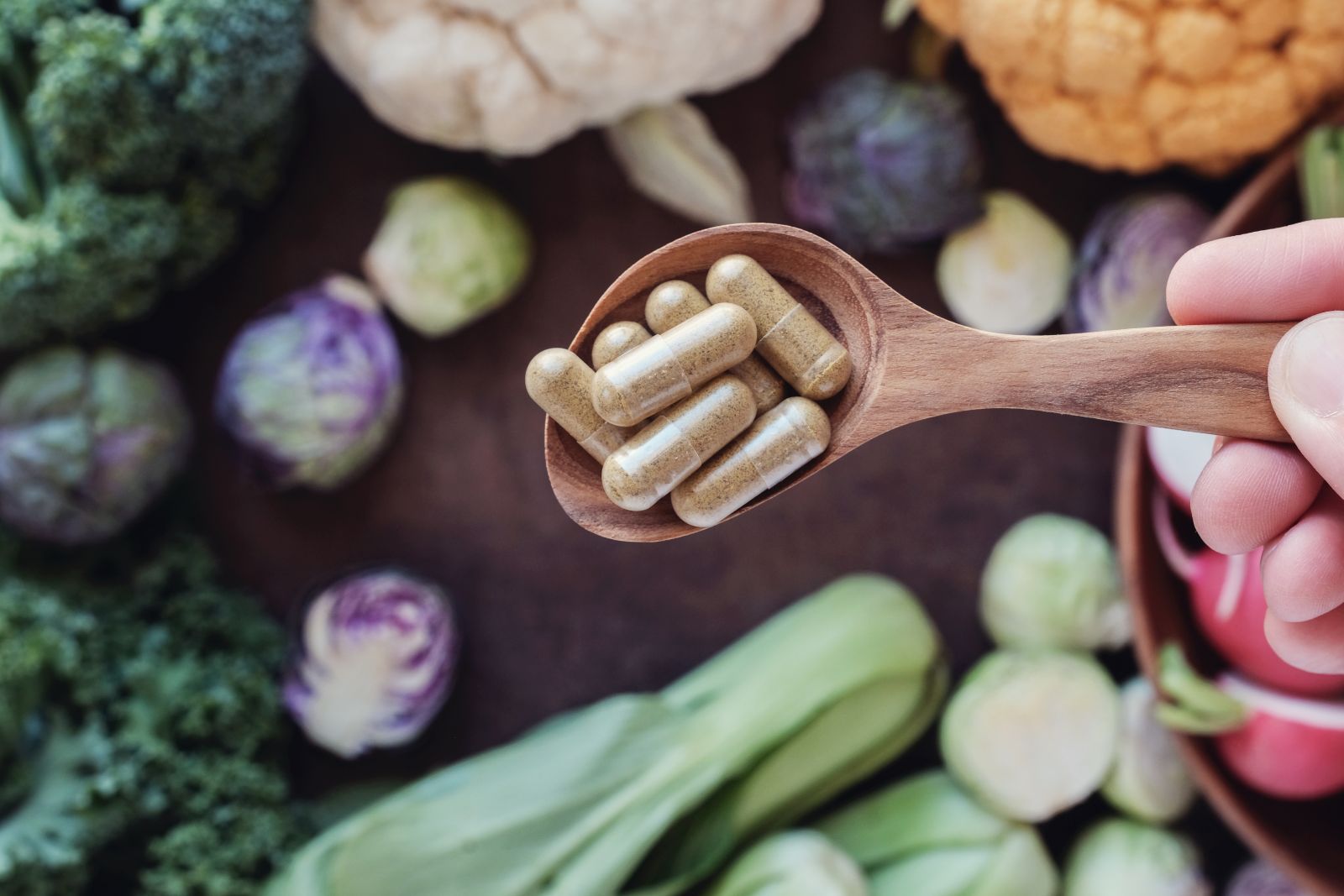
Nutraceuticals are generally defined as ingredients derived from food sources that are used to support overall wellness and complement everyday nutrition. Nutraceutical supplements are dietary supplements formulated with these ingredients and designed to help consumers achieve specific wellness goals.
Growing consumer interest in nutraceuticals has been driven by increased awareness of the relationship between nutrition and long-term wellness. Consumers are increasingly seeking convenient ways to support energy, stress management, sleep, gut health, and immune resilience as part of their daily routines.
Social media, wellness influencers, and expanding access to health information have also accelerated interest in personalized wellness solutions and functional ingredients. In addition, consumers are placing greater emphasis on clean-label products, science-backed formulations, and holistic approaches to wellness.
As a result, nutraceuticals continue to gain relevance as consumers explore products that align with their lifestyle, nutrition, and wellness goals.
This article explores:
- The definition of nutraceuticals
- How they support health and well-being
- Why nutraceuticals are gaining in popularity
- How nutraceuticals are classified
- Why classification matters
- How they differ from pharmaceuticals, dietary supplements, and functional foods
- Emerging industry trends
- The benefits of partnering with an experienced contract nutraceutical manufacturer to create high-quality nutraceutical products
What Are Nutraceuticals? How It Supports Health and Wellbeing
The term “nutraceutical” was coined in the 1990s by Dr. Stephen DeFelice, who defined it as “any substance that is a food or a part of a food and provides medical or health benefits, including the prevention and treatment of disease.”
Health Canada defines a nutraceutical as “a product isolated or purified from foods and generally sold in medicinal forms not usually associated with food and demonstrated to have a physiological benefit.”
The concept of nutraceuticals also overlaps with the FDA’s definition of dietary ingredients under the Dietary Supplement Health and Education Act of 1994:
“The term “dietary ingredient” includes vitamins and minerals; herbs and other botanicals; amino acids; “dietary substances” that are part of the food supply, such as enzymes and live microbials (commonly referred to as “probiotics”); and concentrates, metabolites, constituents, extracts, or combinations of any dietary ingredient from the preceding categories.”1Questions and Answers on Dietary Supplements. U.S. Food & Drug Administration. Retrieved May 21, 2026 from https://www.fda.gov/food/information-consumers-using-dietary-supplements/questions-and-answers-dietary-supplements.
This definition encompasses many of the ingredients commonly considered nutraceuticals today, including vitamins, minerals, botanicals, probiotics, amino acids, enzymes, and plant-derived extracts.
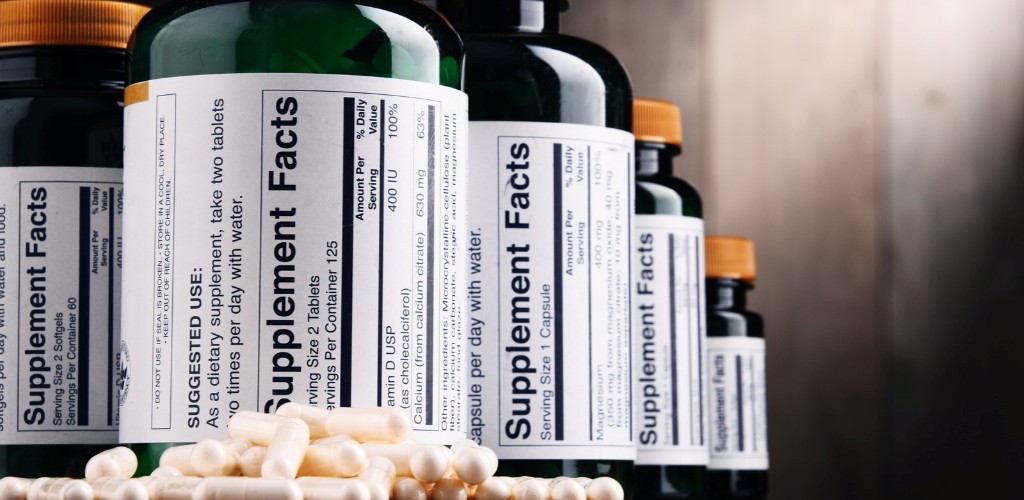
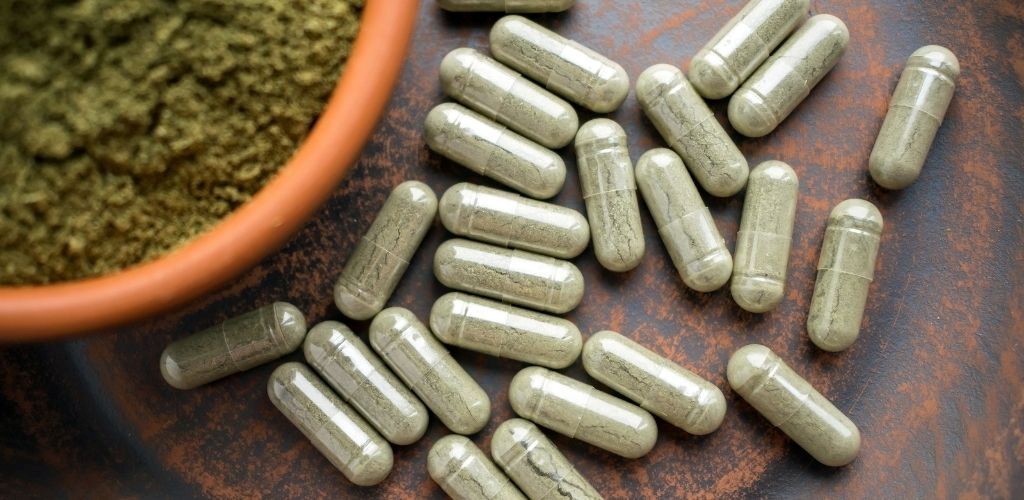


So, what are nutraceuticals? In practical terms, nutraceuticals are food-derived ingredients commonly used in dietary supplements to support overall health and well-being.
Why Nutraceuticals Are Gaining Popularity and What Drives Supplement Brands to Invest
The global nutraceuticals market was estimated at $636.2 billion in 2025 and is projected to reach $1.151 trillion by 2033, growing at a compound annual growth rate (CAGR) of 7.7% from 2026 to 2033. This growth is largely driven by increasing consumer awareness of the relationship between nutrition, lifestyle, and overall wellness.2Nutraceuticals Market (2026 – 2033). Grand View Research. Retrieved May 21, 2026 from https://www.grandviewresearch.com/industry-analysis/nutraceuticals-market.
Consumers are seeking more proactive approaches to health and are showing greater interest in products that support energy, stress management, sleep, gut health, cognitive function, and healthy aging. Growing demand for natural products, clean-label formulations, and personalized wellness solutions has further accelerated market expansion.
For supplement brands, nutraceuticals represent an opportunity to address evolving consumer preferences while differentiating products in a competitive marketplace. Continued scientific research, ingredient innovation, and advances in formulation technologies are also creating new opportunities across a wide range of wellness-focused product categories.
Key Nutraceutical Classifications
Nutraceuticals can be classified in several ways, including by their source, biological activity, and the types of bioactive compounds they contain.
Understanding these classifications can help supplement brands evaluate ingredient sourcing, formulation design opportunities, regulatory considerations, and consumer positioning.
Based on Source/Type (Traditional vs Non-Traditional)
Classifying nutraceuticals by source involves identifying their natural or processed origins, such as plants, animals, or microbes. Additionally, nutraceuticals can be differentiated between traditional and non-traditional sources.
| Based on Source/Type | Traditional Nutraceuticals | Non-Traditional |
| Definition | Derived from naturally occurring food sources that contain bioactive compounds associated with wellness benefits beyond basic nutrition. | Developed through fortification, biotechnology, or other advanced processing methods to enhance nutritional or functional properties. |
| Examples | Phytochemicals, omega-3 fatty acids, probiotics, dietary fiber, curcumin from turmeric, and allicin from garlic. | Omega-3-fortified beverages, vitamin D-fortified milk, recombinant vitamin B12, and biofortified crops such as Golden Rice. |
| Processing Level | Typically undergo minimal processing designed to preserve naturally occurring bioactive compounds. Examples include drying, milling, fermentation, and cold pressing. | Often involve advanced manufacturing or processing techniques such as spray drying, extrusion, biotechnology applications, cell culture, or controlled fermentation systems. |
Based on Mechanism or Function
Nutraceuticals can be classified according to their biological activity or the wellness areas they are commonly formulated to support. This classification is particularly useful for supplement brands because it helps align ingredient selection with consumer interests and product positioning strategies.
| Functional Category | Ingredients with Sources | Common Sources |
| Inflammatory Response Support | Curcumin, Omega-3 EPA/DHA, Gingerols | Turmeric powder, salmon/fish oil capsules, fresh ginger |
| Immune Health Support | Vitamin D, Zinc, Echinacea | Lichens, seafood, herbal extracts |
| Metabolic Wellness Support | Berberine, Green tea catechins, Chromium picolinate | Barberry extract, green tea, supplement form |
| Antioxidant Support | Lycopene, Resveratrol, Vitamin C | Tomatoes, red grapes, citrus fruits |
| Cardiovascular Support | Plant sterols, Allicin, CoQ10 | Margarine spreads, garlic supplements, organ meats |
| Digestive and Gut Health Support | Lactobacillus/Bifidobacterium, Inulin/FOS | Yogurt, kefir, inulin powder |
| Cognitive Health Support | DHA, Ginkgo biloba, Bacopa monnieri | Fish oil capsules, Ginkgo extract, Brahmi powder |
Based on Bioactive Compounds
Nutraceuticals can also be classified according to the bioactive compounds they contain. This approach helps supplement brands understand how different ingredients contribute to product formulation, consumer positioning, and wellness-focused product development.
| Based on Bioactive Compounds | Nutrients (Vitamins, minerals, amino acids, fatty acids) | Herbals/Botanicals (Plant extracts) | Phytochemicals (Flavonoids, carotenoids, polyphenols) |
| Description | Essential compounds that support normal growth, metabolism, and overall health. | Plant-derived ingredients, extracts, or whole herbs that are commonly used in dietary supplements and wellness products. | Naturally occurring plant compounds that contribute to the color, flavor, and functional properties of fruits, vegetables, and other plants. |
| Examples | Vitamins A, C, and D; calcium; iron; amino acids; omega-3 fatty acids. | Garlic extract, ginseng, echinacea, turmeric, and ginkgo biloba. | Carotenoids such as lycopene and beta-carotene, and flavonoids such as quercetin. |
| Common Sources | Citrus fruits, fish oil, nuts, dairy products, fortified foods, and seafood. | Roots, rhizomes, leaves, flowers, seeds, and other plant materials. | Colorful fruits and vegetables, including tomatoes, berries, spinach, and carrots. |
Why Understanding Nutraceutical Classification Matters
Understanding nutraceutical classification can help supplement brand owners make more informed decisions throughout product development, commercialization, and long-term brand growth.
- Strategic Product Formulation – Proper nutraceutical classification helps brand owners select ingredients that align with specific wellness goals and intended product positioning. Whether you are developing digestive health, cognitive support, beauty-from-within, or sports nutrition supplements, classification helps ensure formulations are designed to support targeted consumer needs and market categories effectively.
- Regulatory Compliance – Different nutraceutical categories may face distinct regulatory expectations regarding ingredients, claims, labeling, and manufacturing standards. Understanding classification helps brands navigate compliance requirements more efficiently while reducing the risk of regulatory challenges, misbranding, or unsupported marketing claims.
- Consumer Education and Marketing Precision – Clear classification enables more effective product messaging and helps consumers better understand a product’s intended purpose and differentiating features.
- Targeted Health Solutions – Classification allows brands to develop specialized products for wellness categories such as immune health, sleep support, stress management, digestive health, cognitive health, and sports nutrition.
- Faster Time-to-Market – Understanding nutraceutical classification can streamline formulation decisions, ingredient sourcing, compliance review, and manufacturing processes. This helps reduce development delays and allows brands to respond faster to evolving market opportunities and consumer trends.
How Nutraceuticals Differ from Pharmaceuticals, Dietary Supplements, and Functional Foods
Many consumers and supplement brands ask, what are nutraceutical products, and how does the nutraceutical vs pharmaceutical comparison differ from other wellness categories?
While these terms are sometimes used interchangeably, Nutraceuticals, Pharmaceuticals, Dietary Supplements, and Functional Foods each serve different purposes and operate under different regulatory frameworks.
The table below highlights the key distinctions.
| Category | Definition | Purpose | Regulation | Examples |
| Nutraceuticals | Products derived from food and other biological sources that provide health benefits beyond basic nutrition. | Promote health and wellness | Governed by the FDA in the U.S. under the (DSHEA). Labeled as dietary supplements, not drugs. | Omega-3 fatty acids, probiotics, amino acids, herbal extracts |
| Pharmaceuticals | Chemical compounds are used to treat or manage medical conditions. | Treatment of diseases and conditions | Strictly regulated by the FDA in the U.S. under the Food, Drug, and Cosmetic Act (FDCA). Requires clinical trials and approval. | Prescription medications, OTC remedies, vaccines |
| Dietary Supplements | Finished products intended to supplement the diet with essential nutrients such as vitamins, minerals, etc. | Filling nutritional gaps, promoting health and wellness | Governed by the FDA under DSHEA. Must meet safety and labeling requirements but do not require FDA approval. | Multivitamins, protein powders, and individual nutrient supplements |
| Functional Foods | Foods that have additional health benefits in addition to and beyond basic nutrition, often enriched with nutrients. | Promote health and wellness | Regulated by the FDA as food products under the Federal Food, Drug, and Cosmetic Act (FDCA). Must meet food safety standards. | Fortified cereals, yogurt with probiotics, and some RTDs |
Nutraceuticals in the Future: Trends and Innovations
Emerging nutraceutical trends are increasingly centered on personalized nutrition, plant-based wellness, and technology-driven innovation.
Consumers are seeking more customized wellness solutions tailored to factors such as lifestyle, age, activity level, and personal goals. These factors are driving the growth we are seeing in personalized supplement formulations, microbiome-focused products, and targeted wellness categories.
Plant-based nutraceuticals also continue to gain popularity as consumers prioritize clean-label, vegan-friendly, and sustainable products.
Technology is expected to play a growing role, too. Artificial intelligence and machine learning may help companies analyze consumer data, identify ingredient combinations, monitor market trends, and accelerate product development.
Ongoing scientific research remains important for supporting ingredient credibility and identifying new applications across areas such as cognitive health, immune health, healthy aging, and metabolic wellness.
At the same time, evolving expectations around ingredient safety, labeling transparency, substantiation, and responsible claims will continue shaping the future of the nutraceutical market.
How Can Partnering with Contract Nutraceutical Manufacturers Benefit Your Business?
Successful nutraceutical manufacturing requires more than producing a finished product. It requires expertise in formulation design, ingredient sourcing, robust quality systems, regulatory compliance, and scalable production.
An experienced nutraceutical contract manufacturer plays a critical role in helping brands develop and produce high-quality nutraceutical supplements while complying with FDA regulations and the Dietary Supplement Health and Education Act (DSHEA).
Reputable contract development and manufacturing companies can also provide specialized support in formulation development, ingredient sourcing, quality testing, and production processes that help ensure product consistency, quality, and compliance. They can also help brands scale efficiently as demand grows while maintaining GMP-compliant manufacturing practices and rigorous quality control standards.
In addition, knowledgeable manufacturing partners can assist with labeling considerations, documentation requirements, product stability programs, and other regulatory considerations, helping brands reduce risk and accelerate product development.
With more than 45 years of supplement contract manufacturing experience, we help brands develop, manufacture, and scale innovative products through advanced formulation expertise, rigorous quality systems, and scalable manufacturing solutions.
Wrapping Up: Understanding Nutraceuticals and Bringing Your Product to Market
By now, you can confidently answer the question, “What are nutraceuticals?” and understand why they continue to gain momentum across the health and wellness industry.
From their role in supporting consumer wellness goals to their various classifications, regulatory considerations, and differences from pharmaceuticals, dietary supplements, and functional foods, nutraceuticals represent a significant opportunity for supplement brands seeking to meet evolving market demand.
As consumer interest in personalized nutrition, clean-label products, and science-backed formulations continues to grow, partnering with an experienced manufacturing provider can help position your brand for long-term success.
Are you ready to capitalize on the expanding nutraceutical market? Call 800-526-9095 to speak with one of our knowledgeable production specialists or request a competitive nutraceutical manufacturing quote if you’ve already finalized your project requirements.
Frequently Asked Questions (FAQs) about Nutraceuticals
Why is clean-label important in nutraceutical development?
Clean-label formulations are important because today’s consumers often look for products with recognizable ingredients, transparent sourcing, minimal processing, and fewer artificial additives, colors, or unnecessary excipients. For nutraceutical brands, clean-label positioning can help build trust, support brand credibility, and align products with consumer demand for natural, wellness-focused formulations that feel easier to understand and evaluate.
What role does formulation play in nutraceutical effectiveness?
Formulation plays a critical role because ingredient selection, dosage levels, delivery format, stability, and bioavailability can all influence how well a nutraceutical product supports its intended wellness purpose. A well-designed formulation helps ensure consistency, ingredient compatibility, consumer usability, and overall product quality while supporting the brand’s position in a competitive supplement marketplace.
How do nutraceuticals align with modern wellness lifestyles?
Nutraceuticals align with modern wellness lifestyles by supporting proactive, everyday approaches to nutrition, self-care, and overall well-being. Consumers often use nutraceutical supplements to complement balanced diets, exercise routines, sleep habits, stress management practices, and personalized wellness goals. Their convenience and targeted positioning make them appealing to consumers seeking practical ways to support daily health routines.
Why is ingredient sourcing critical for nutraceutical brands?
Ingredient sourcing is critical because raw material quality, purity, consistency, and traceability directly affect finished product quality and consumer trust. Reliable ingredient sourcing can also support regulatory compliance, supply chain transparency, formulation performance, and access to ingredients with appropriate documentation. For nutraceutical brands, strong sourcing practices help reduce risk while supporting more credible, high-quality product development.
How do regulatory differences affect nutraceutical market entry?
Regulatory differences can affect nutraceutical market entry because ingredient permissions, labeling requirements, allowable claims, documentation standards, and compliance expectations vary by country and region. Brands that understand these requirements can reduce delays, avoid costly reformulations, and plan more effective launches. An experienced contract manufacturer can also help brands evaluate regulatory considerations before commercialization.