


































Key Takeaways:
- Learn what GLP-1 support supplements are and how they differ from prescription GLP-1 medications.
- Discover popular formulation approaches for supporting metabolic health, skin appearance, muscle maintenance, and bone health.
- Explore key formulation, dosage form, and regulatory considerations that can impact product success.
- Understand how an experienced contract supplement manufacturer can help support formulation, documentation, and quality considerations for GLP-1 support supplements.
Consumer interest in metabolic health has surged in recent years, driven by growing awareness of weight management, healthy aging, and the rapid adoption of GLP-1 medications such as Ozempic®, Wegovy®, Mounjaro®, and Zepbound®. As a result, interest in GLP-1 support supplements has grown significantly as consumers seek complementary nutritional solutions that align with their broader health and wellness goals.
A 2026 market analysis reported that products positioned for blood sugar management accounted for 39.3% of the GLP-1 support supplement market, reflecting consumer interest in metabolic wellness and healthy glucose metabolism. Demand has been particularly strong for ingredients such as fiber, berberine, probiotics, and chromium that are often positioned to support healthy satiety, normal glucose metabolism, and overall metabolic wellness; however, brands should not assume that general ingredient research substantiates GLP-1-user-specific claims.
Industry trend analyses also identify metabolic health as one of the fastest-growing categories within nutrition and wellness, with GLP-1 medications expanding consumer interest beyond weight management to broader cardiometabolic health and healthy aging.1GLP-1 support supplements are not natural alternatives to prescription medications, but they represent an exciting opportunity for supplement brands. Learn how to formulate products that support metabolic wellness while remaining compliant.
So where do dietary supplements fit into this evolving landscape?
This article explores the growing category of GLP-1 support supplements, including their role in the marketplace, key formulation trends, popular ingredients, manufacturing considerations, and regulatory and labeling factors for supplement brands. We will also discuss how partnering with an experienced contract manufacturer can help brand owners, like you, navigate formulation, manufacturing, and compliance considerations when developing products in this rapidly expanding category.
What Are GLP-1 Support Supplements?
The answer may surprise you. GLP-1 support supplements are not natural alternatives to prescription GLP-1 medications. However, they may complement broader metabolic health and wellness strategies and can help address certain nutritional challenges associated with rapid weight loss.
Depending on the formulation, these products may provide ingredients that support satiety, already healthy blood sugar metabolism, digestive health, muscle maintenance, and overall nutritional status.
Understanding GLP-1 as a Naturally Occurring Hormone
Before moving further, it is important to understand what GLP-1 is and how it functions in the body.
GLP-1, or glucagon-like peptide-1, is a naturally occurring gut hormone released by intestinal L-cells in response to food intake.
As an incretin hormone, GLP-1 helps regulate normal metabolic function by supporting glucose-dependent insulin secretion, moderating glucagon release, slowing gastric emptying, promoting satiety, and helping maintain healthy blood sugar levels already in a normal range and energy balance.2Drucker DJ. GLP-1-based therapies for diabetes, obesity and beyond. Nat Rev Drug Discov. 2025 Aug;24(8):631-650. doi: 10.1038/s41573-025-01183-8.. Erratum in: Nat Rev Drug Discov. 2025 Jul;24(7):570. doi: 10.1038/s41573-025-01231-3.
GLP-1 receptor agonist medications are prescription drugs designed to mimic the activity of naturally occurring GLP-1 by binding to GLP-1 receptors throughout the body. Their uses, mechanisms, and effects are distinct from those of dietary supplements and should not be used as points of comparison for supplement positioning.3Mahmoud AK, Sheashaa H, Killian M, et al. GLP-1 receptor agonists associated with better cardiovascular outcomes in obese or diabetic patients with elevated Lp(a) levels: A Multicenter retrospective study. International Journal of Cardiology. 2026; 459:134588. https://doi.org/10.1016/j.ijcard.2026.134588
What “GLP-1 Support” Means in the Supplement Context
How do GLP-1 support supplements work? The answer is not as straightforward as many consumers assume.



While certain nutraceutical ingredients have been studied for their role in supporting normal appetite-related, digestive, and metabolic functions, they do not work in the same way as prescription GLP-1 receptor agonist medications.
GLP-1 receptor agonist drugs are specifically engineered to mimic the activity of the natural GLP-1 hormone and provide sustained activation of GLP-1 receptors.4Mahmoud AK, Sheashaa H, Killian M, et al. GLP-1 receptor agonists associated with better cardiovascular outcomes in obese or diabetic patients with elevated Lp(a) levels: A Multicenter retrospective study. International Journal of Cardiology. 2026; 459:134588. https://doi.org/10.1016/j.ijcard.2026.134588 Dietary supplements should not be positioned as producing the same mechanism or effects.
By contrast, dietary supplements are not natural versions of GLP-1 drugs. Instead, they are typically formulated to support broader metabolic health, healthy blood sugar metabolism, satiety, digestive health, muscle maintenance, and nutritional status. They may also help support nutritional needs associated with changes in body weight, including maintaining adequate protein intake and supporting muscle and bone health.
However, it should be cautioned that this is an evolving area of research, and whether supplementing with additional protein or other ingredients can offset the effects of the GLP-1 is unknown. Thus, claims must be narrowly tailored to avoid the implication that they will offset the effects of GLP-1 drugs.
Four Common GLP-1 Support Supplement Formulation Approaches
So, what formulation approaches are commonly used in GLP-1 support supplements? For supplement brands, the answer is not limited to one product type or ingredient category.
GLP-1 support supplements are often formulated to complement the consumer journey by supporting areas such as body composition, skin appearance, muscle maintenance, and bone health.
These products may include formulations designed to provide the following types of support:
- Complementary effects – Consumers pursuing weight-management strategies may have changing nutritional needs. Therefore, nutraceuticals that support healthy body composition may make sense as part of a broader GLP-1 support supplement strategy. For example, ingredients that support healthy fat metabolism or body composition may be considered.
- Support for skin appearance – Changes in body weight may affect the appearance of skin, including areas such as the face, arms, abdomen, or buttocks. Nutraceuticals that support collagen production, hydration, and skin elasticity may be relevant to skin-appearance formulations, but brands should avoid implying that these ingredients offset skin changes associated with rapid or significant weight loss unless they have direct substantiation for that claim. Otherwise, the claim should avoid tying the two together.
- Support for muscle maintenance – Changes in body weight may also be associated with changes in lean muscle mass. Since muscle plays an important role in metabolism and overall body composition, nutraceuticals that support muscle maintenance may be an important consideration; however, claims that a specific ingredient helps people taking GLP-1 medications maintain muscle should be made only if supported by evidence for that population and use context. Otherwise, the claim should avoid tying the two together.
- Support for bone health – Changes in body weight may also affect bone health. Nutraceuticals that support bone mineral density and overall skeletal health may be useful in a comprehensive GLP-1 support supplement formulation.5Hunter GR, Plaisance EP, Fisher G. Weight loss and bone mineral density. Curr Opin Endocrinol Diabetes Obes. 2014 Oct;21(5):358-62. doi: 10.1097/MED.0000000000000087. PMID: 25105997; PMCID: PMC4217506.
| Formulation | Nutraceutical Options |
| Potential complementary effects |
|
| Potential support for skin appearance |
|
| Support for muscle maintenance |
|
| Support for bone health |
|
Complementary Effects
Among the best GLP-1 support supplements are formulations designed to complement healthy weight management efforts through ingredients that support body composition, appetite management, metabolic health, and gut health.
Examples include the following nutraceuticals:
- Black ginger extract – In human studies,6Yoshino S, Awa R, Miyake Y, Fukuhara I, Sato H, Ashino T, Tomita S, Kuwahara H. Daily intake of Kaempferia parviflora extract decreases abdominal fat in overweight and preobese subjects: a randomized, double-blind, placebo-controlled clinical study. Diabetes Metab Syndr Obes. 2018 Aug 28;11:447-458. 7Yoshino S, Tagawa T, Awa R, Ogasawara J, Kuwahara H, Fukuhara I. Polymethoxyflavone purified from Kaempferia parviflora reduces visceral fat in Japanese overweight individuals: a randomised, double-blind, placebo-controlled study. Food Funct. 2021 Mar 1;12(4):1603-1613. polymethoxyflavones from this herb have been studied for their potential role in supporting healthy body composition.
- Akkermansia muciniphila – The postbiotic version of this nutraceutical has been studied for its potential to support healthy body composition and metabolic markers.8Cani PD, Depommier C, Derrien M, Everard A, de Vos WM. Akkermansia muciniphila: paradigm for next-generation beneficial microorganisms. Nat Rev Gastroenterol Hepatol. 2022 Oct;19(10):625-637. 9Plovier H, Cani P. Akkermansia muciniphila, une bactérie pour lutter contre le syndrome métabolique. Médecine/sciences. 2017; 33: 373-92.
- The combination of Cuminum cyminum L. (cumin), Mentha longifolia L. (horse mint), Olea europaea L. (olive) leaf, and Alchemilla vulgaris L. (lady’s mantle) has been studied for its potential role in supporting healthy weight management outcomes.10Said O, Saad B, Fulder S, Khalil K, Kassis E. Weight loss in animals and humans treated with “weighlevel”, a combination of four medicinal plants used in traditional arabic and islamic medicine. eCAM (published in advance). 2008; doi: 10.1093/ecam/nen067. 11Said O, Khalil K, Fulder S, Marie Y, Kassis E, Saad B. A Double Blinded- Randomized Clinical Study with “Weighlevel”, a Combination of Four Medicinal Plants Used in Traditional Greco-Arab and Islamic Medicine. Open Complement Med J. 2010; 2: 1-6. 12Kassis E. A Randomized, Double-Blind, Placebo-Controlled Study of Blend of Herbal Extracts Taken Once Per Day for Weight Loss in Healthy Volunteers. European J Med Plants. 2019; 28(1):1-8. 13Kassis E, Hansen PA. A randomized, double-blind, placebo-controlled study of a once daily blend of herbal extracts for weight loss. Int J Herb Med. 2021; 9(3): 71-75
- Carob and Opuntia cladodes – Multiple studies have evaluated this botanical combination for its potential role in supporting appetite management.14Papakonstantinou E, Orfanakos N, Farajian P, Kapetanakou AE, Makariti IP, Grivokostopoulos N, Ha MA, Skandamis PN. Short-term effects of a low glycemic index carob-containing snack on energy intake, satiety, and glycemic response in normal-weight, healthy adults: Results from two randomized trials. Nutrition. 2017 Oct;42:12-19. 15Marciani L, Gowland PA, Spiller RC, Manoj P, Moore RJ, Young P, Al-Sahab S, Bush D, Wright J, Fillery-Travis AJ. Gastric response to increased meal viscosity assessed by echo-planar magnetic resonance imaging in humans. J Nutr. 2000 Jan;130(1):122-7. 16Qinna NA, Akayleh FT, Al-Remawi MM, Kamona BS, Taha H, Badwan AA. Evaluation of a functional food preparation based on chitosan as a meal replacement diet. J Funct Food. 2013;5:1125-34. 17Stribiţcaia E, Evans CEL, Gibbons C, Blundell J, Sarkar A. Food texture influences on satiety: systematic review and meta-analysis. Sci Rep. 2020 Jul 31;10(1):12929.
- Green tea phytosome – Studies18Di Pierro F, Menghi AB, Barreca A, Lucarelli M, Calandrelli A. Greenselect Phytosome as an adjunct to a low-calorie diet for treatment of obesity: a clinical trial. Altern Med Rev 2009;14(2):154-60. 19Belcaro G, Ledda A, Hu S, Cesarone MR, Feragalli B, Dugall M. Greenselect Phytosome for Borderline Metabolic Syndrome. Evid. Based Complement. Alternat. Med. 2013; Article ID 869061: 7 pages have evaluated green tea phytosome for its potential to support thermogenesis and healthy body composition.
- Oligofructose-enriched inulin – This prebiotic fiber has been studied for its potential role in supporting satiety and promoting the growth of beneficial Bifidobacteria in the gut.20Gibson GR, Beatty ER, Wang X, Cummings JH. Selective stimulation of bifidobacteria in the human colon by oligofructose and inulin. Gastroenterology. 1995 Apr;108(4):975-82. Brands should avoid implying that fiber ingredients help relieve GLP-1-associated constipation or other medication-related digestive effects unless that specific claim is directly substantiated.21Evelyne M Dewulf, Patrice D Cani, Sandrine P Claus, et al. Insight into the prebiotic concept: lessons from an exploratory, double blind intervention study with inulin-type fructans in obese women. Gut. 2013 Aug; 62(8): 1112–1121.
Support for Skin Appearance
GLP-1 support formulations that target skin appearance often contain nutraceuticals that support collagen production, skin hydration, elasticity, and overall skin health, including the following :
- Collagen peptides – Specific collagen peptides have been studied for their role in supporting the body’s natural collagen production and aspects of skin appearance, including skin elasticity, moisture, wrinkle appearance, cellulite appearance, and hair thickness.
- Hyaluronic acid – Although not a collagen precursor, oral hyaluronic acid has been studied for its potential to support skin hydration and elasticity and is frequently combined with collagen ingredients.22Papakonstantinou E, Roth M, Karakiulakis G. Hyaluronic acid: A key molecule in skin aging. Dermatoendocrinol. 2012 Jul 1; 4(3): 253–258.
- Ceramides – Known for their role in supporting the skin barrier. Ceramides have also been studied for their potential to support skin moisture and elasticity.23Bizot V, Cestone E, Michelotti A, Nobile V. Improving Skin Hydration and Age-related Symptoms by Oral Administration of Wheat Glucosylceramides and Digalactosyl Diglycerides: A Human Clinical Study. Cosmetics. 2017; 4:37.
- Eggshell membrane – Research24Aguirre A, Gil-Quintana E, Fenaux M, et al. Beneficial Effects of Oral Supplementation with Ovoderm on Human Skin Physiology: Two Pilot Studies, Journal of Dietary Supplements. 2017; DOI: 10.1080/19390211.2017.1310781. 25Gil-Quintana E, La Nuez M, Aquirre A. Supplementation with Ovoderm® Reduces the Clinical Signs of Skin Aging. A Double-Blind, Placebo-Controlled Study. Clin Res Dermatol Open Access. 2018; 5(2):1-8. has evaluated eggshell membrane supplementation for its potential to support skin elasticity and smoothness, based on active ingredients that complement skin structure, including structural proteins, polysaccharides, and amino acids.
With that said, these studies should not be presented as evidence that these ingredients can offset skin changes associated with rapid or significant weight loss unless the substantiation directly supports that claim.
Support for Muscle Maintenance
In addition to protein, there are additional nutraceuticals that may help maintain lean muscle, including:
- Pea or whey protein – In a human trial26Singh RG, Guérin-Deremaux L, Lefranc-Millot C, et al. Efficacy of Pea Protein Supplementation in Combination with a Resistance Training Program on Muscle Performance in a Sedentary Adult Population: A Randomized, Comparator-Controlled, Parallel Clinical Trial. Nutrients. 2024;16(13):2017. Published 2024 Jun 26. doi:10.3390/nu16132017 with pea protein or whey protein, combined with a weekly resistance training program, both proteins supported improvements in whole-body muscle strength and muscle mass. Multiple studies27Smith CE, Mollard RC, Luhovyy BL, Anderson GH. The effect of yellow pea protein and fibre on short-term food intake, subjective appetite and glycaemic response in healthy young men. Br J Nutr. 2012 Aug;108 Suppl 1:S74-80. 28Abou-Samra R, Keersmaekers L, Brienza D, Mukherjee R, Macé K. Effect of different protein sources on satiation and short-term satiety when consumed as a starter. Nutr J. 2011 Dec 23;10:139. have also evaluated the satiating properties of pea protein.
- Creatine – Creatine has been studied for its role in supporting muscle performance and exercise-related outcomes. Research has also evaluated creatine supplementation for post-exercise recovery, thermoregulation, rehabilitation, neuroprotection, and overall exercise performance.29Kreider RB, Kalman DS, Antonio J, et al. International Society of Sports Nutrition position stand: safety and efficacy of creatine supplementation in exercise, sport, and medicine. JISSN. 2017;14:18.
- HMB – This metabolite of the amino acid leucine has been studied for its potential to help maintain muscle mass,30Deutz NE, Pereira SL, Hays NP, Oliver JS, Edens NK, Evans CM, Wolfe RR. Effect of β-hydroxy-β-methylbutyrate (HMB) on lean body mass during 10 days of bed rest in older adults. Clin Nutr. 2013 Oct;32(5):704-12. support muscle function, and reduce exercise-induced muscle protein breakdown when combined with resistance training.31Nissen S, Sharp R, Ray M, Rathmacher JA, Rice D, Fuller JC Jr, Connelly AS, Abumrad N. Effect of leucine metabolite beta-hydroxy-beta-methylbutyrate on muscle metabolism during resistance-exercise training. J Appl Physiol (1985). 1996 Nov;81(5):2095-104.
- Leucine-enhanced essential amino acids – This studied blend of the nine essential amino acids contains the building blocks needed to help support muscle protein synthesis.32Jackman SR et al. “Branched-chain amino acid ingestion stimulates muscle myofibrillar protein synthesis following resistance exercise in humans.” Frontiers in Physiology, vol. 8 (2017): 390 33Wilkinson DJ et al. “Effects of leucine-enriched essential amino acid and whey protein bolus dosing upon skeletal muscle protein synthesis at rest and after exercise in older women.” Clinical Nutrition. Published online ahead of print September 23, 2017.
Brands should not imply that these ingredients help people taking GLP-1 medications maintain muscle unless the claim is supported by evidence that is relevant to GLP-1 users, the finished formulation, and the intended serving size.
Support for Bone Health
In addition to vitamin D and calcium, a growing body of research supports the use of several nutraceutical ingredients that may help maintain bone mineral density and support overall bone health.
- Vitamin D3 and calcium – Vitamin D3 helps the body absorb and retain calcium and phosphorus, making it an important nutrient for bone health. Research has evaluated vitamin D3 and calcium supplementation for their role in supporting bone mineral density and overall bone health.34Amin, S., LaValley, M. P., Simms, R. W., and Felson, D. T. The comparative efficacy of drug therapies used for the management of corticosteroid-induced osteoporosis: a meta-regression. J Bone Miner Res 2002;17(8):1512-1526.
- Vitamin K3 (MK-7) – A three-year study evaluated 180 mcg/day of MK-7 for its role in supporting bone mineral content, bone mineral density, and markers related to bone strength.
- Vitamin K2 (MK-4) – Research35Koitaya N, Sekiguchi M, Tousen Y, Nishide Y, Morita A, Yamauchi J, Gando Y, Miyachi M, Aoki M, Komatsu M, Watanabe F, Morishita K, Ishimi Y. Low-dose vitamin K2 (MK-4) supplementation for 12 months improves bone metabolism and prevents forearm bone loss in postmenopausal Japanese women. J Bone Miner Metab. 2014 Mar;32(2):142-50. 36Nakamura E, Aoki M, Watanabe F, Kamimura A. Low-dose menaquinone-4 improves γ-carboxylation of osteocalcin in young males: a non-placebo-controlled dose-response study. Nutr J. 2014 Aug 27;13:85. 37Giri TK, Newton D, Chaudhary O, Deych E, Napoli N, Villareal R, Diemer K, Milligan PE, Gage FB. Maximal dose-response of vitamin-K2 (menaquinone-4) on undercarboxylated osteocalcin in women with osteoporosis. Int J Vitam Nutr Res. 2020 Jan;90(1-2):42-48 has evaluated supplementation with 1.5 mg to 5 mg per day of MK-4 for markers associated with bone health.
- S-equol – Supplementation with this metabolite of the soy isoflavone daidzein has been studied for its potential to support bone health markers and whole-body bone mineral density.38Tousen Y, Ezaki J, Fujii Y, Ueno T, Nishimuta M, Ishimi Y. Natural S-equol decreases bone resorption in postmenopausal, non-equol-producing Japanese women: a pilot randomized, placebo-controlled trial. Menopause. 2011 May;18(5):563-74. doi: 10.1097/gme.0b013e3181f85aa7. PMID: 21252728. 39Corbi G, Nobile V, Conti V, Cannavo A, Sorrenti V, Medoro A, Scapagnini G, Davinelli S. Equol and Resveratrol Improve Bone Turnover Biomarkers in Postmenopausal Women: A Clinical Trial. Int J Mol Sci. 2023 Jul 27;24(15):12063. doi: 10.3390/ijms241512063.
- Milk Basic Protein – Studies40Aoe S, Toba Y, Yamamura J, Kawakami H, Yahiro M, Kumegawa M, Itabashi A, Takada Y. Controlled trial of the effects of milk basic protein (MBP) supplementation on bone metabolism in healthy adult women. Biosci Biotechnol Biochem. 2001 Apr;65(4):913-8. doi: 10.1271/bbb.65.913. PMID: 11388472. 41Yamamura J, Aoe S, Toba Y, Motouri M, Kawakami H, Kumegawa M, Itabashi A, Takada Y. Milk basic protein (MBP) increases radial bone mineral density in healthy adult women. Biosci Biotechnol Biochem. 2002 Mar;66(3):702-4. doi: 10.1271/bbb.66.702. PMID: 12005077. have evaluated 40 mg/day of this bioactive whey protein fraction derived from bovine milk for its potential role in supporting bone mineral density.
Formulation Challenges in Developing GLP-1 Support Supplements
Developing a successful GLP-1 support supplement requires more than selecting trending ingredients. Formulators must balance scientific substantiation, regulatory compliance, ingredient compatibility, and consumer expectations while delivering effective serving sizes in a convenient format.
Common challenges include balancing scientific support and compliance, managing ingredient compatibility, and achieving consumer-friendly doses.
Balancing Scientific Support and Compliance
When developing a GLP-1 support supplement, it is important to avoid comparing your product to GLP-1 medications. Regulatory guidelines clearly state that such comparisons can be interpreted as drug claims, which may create significant compliance risks for your business.
Instead, focus on the supportive role your formulation can play in helping consumers achieve their wellness and weight management goals. Positioning should emphasize the benefits of the individual ingredients and the overall formulation rather than drawing comparisons to pharmaceutical products.
It is equally important to ensure that any structure/function claims are supported by credible scientific evidence. Claims should be based on clinically relevant ingredient dosages and supported by well-designed human studies that demonstrate the intended benefits in a relevant population and use context.
For GLP-1 support products, brands should also evaluate the full claim context, including product name, imagery, ingredient callouts, comparisons to medications, testimonials, and digital advertising, because these elements can affect the net impression of the marketing claim. For example, general ingredient studies should not be used to imply that creatine helps GLP-1 users maintain muscle, fiber helps with GLP-1-associated constipation, or collagen offsets skin changes from rapid or significant weight loss unless those specific claims are directly substantiated.
Managing Ingredient Compatibility
Ingredient compatibility is a critical consideration when developing a GLP-1 support supplement. For example, if you are formulating a powdered product containing protein and creatine, you should carefully evaluate the flavor characteristics of every ingredient included in the formula. Some ingredients may offer compelling benefits but introduce taste challenges that can negatively impact the consumer experience. Black ginger, for instance, can contribute bitter aftertastes that may not be suitable for powder formulations.
Beyond taste and sensory considerations, formulators must also evaluate ingredient interactions, stability, and processing requirements to support desired product performance. An experienced supplements contract manufacturing company can help identify potential compatibility issues early in the development process and recommend formulation strategies that balance efficacy, stability, and consumer appeal.
Achieving Consumer-Friendly Dosages
Selecting the right dosage form is essential to deliver effective ingredient levels while maintaining a positive consumer experience.
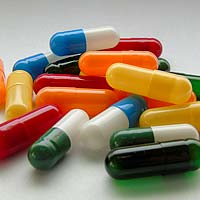
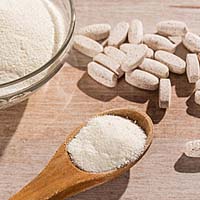
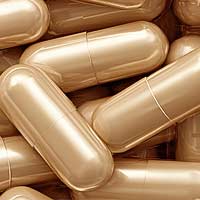
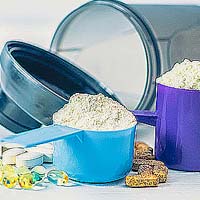
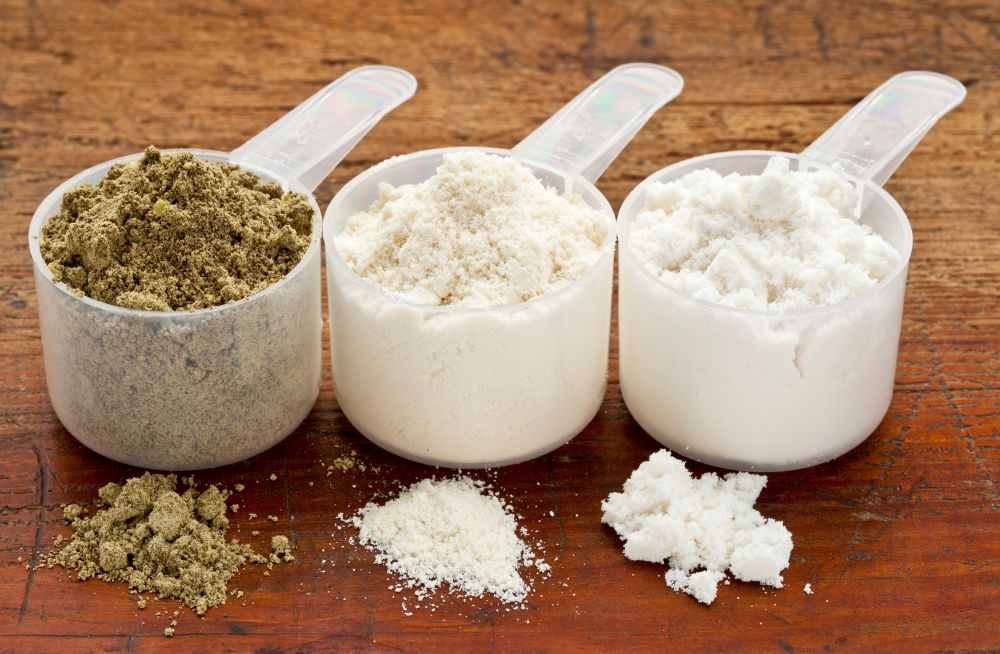
If the active ingredients in your formulation total around 1,000 mg, they can typically fit into two size 00 capsules. However, ingredients commonly used in GLP-1 support formulations, such as HMB (3 g), creatine (5 g), or protein (20 g), often require serving sizes that are impractical for capsules or tablets.
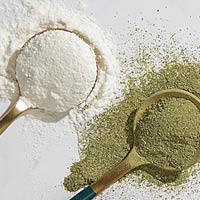
In these cases, a powdered dosage form is often a more practical option. Some ingredients offer greater flexibility. For example, a 2.5 g serving of collagen peptides may fit into three tablets or be incorporated into a powder formulation, depending on the overall product design and consumer preferences.
An experienced contract supplement manufacturer can help determine the most appropriate dosage form based on ingredient requirements, serving size targets, consumer expectations, and manufacturing considerations.
Regulatory and Labeling Considerations for Brand Owners
Regulatory compliance is critical to the success of any GLP-1 support supplement. You must understand FDA requirements for labeling and claims to help manage regulatory risks and potential enforcement exposure.
The FDA DSHEA Framework and What It Means for GLP-1 Support Supplements
As discussed throughout this article, any claims made for GLP-1 support supplements must be carefully evaluated to ensure compliance with applicable regulations. The Dietary Supplement Health and Education Act of 1994 (DSHEA) establishes the framework for how dietary supplements can be marketed and the types of claims that can be made about them.
Under DSHEA, dietary supplements may be marketed to support normal body structure and function, but they cannot be promoted as treatments, cures, or alternatives to prescription medications. As a result, products in this category should be positioned as supporting healthy weight management and overall wellness rather than addressing medical conditions.
For example, while the term “overweight” may be acceptable in certain contexts, references to “obesity” should generally be avoided because obesity is recognized as a disease.
Most importantly, GLP-1 support supplements should never be marketed as alternatives to GLP-1 medications. Instead, brands should focus on the unique benefits of their formulations and ensure that all claims are supported by appropriate scientific evidence.
Understanding Structure-Function Claims in the GLP-1 Support Category
Structure-function claims are among the most important marketing tools available to dietary supplement brands. When used appropriately, these claims can help communicate product benefits while remaining within regulatory guidelines.
The key is to focus on supporting normal body structures and functions rather than implying that a product can diagnose, treat, cure, or prevent a disease. Well-crafted structure-function claims can help position a GLP-1 support supplement effectively while helping manage compliance risks.
Examples of compliant structure-function claims include:
- May support healthy metabolism
- May support your weight management efforts
- May help maintain lean muscle mass during weight management
- May help support healthy bone density
Before using any structure-function claim, you should ensure the claim is supported by appropriate scientific evidence, reflects the finished formulation and serving size, complies with all applicable FDA labeling requirements, and does not overstate ingredient research.
Working with a CDMO for Compliance and Documentation Support
Partnering with a cGMP-certified contract development and manufacturing organization (CDMO) can help your dietary supplement brand navigate complex regulatory and quality requirements while supporting a more efficient product development process.
Experienced providers of nutritional supplement contract manufacturing services maintain robust quality systems and generate the documentation needed to support product quality, consistency, and compliance.
These organizations typically develop and maintain critical records such as certificates of analysis (COAs), stability data, manufacturing batch records, and ingredient substantiation files to support label claims and quality standards. They can also assist brands in preparing for audits, retailer reviews, and other compliance-related activities.
By leveraging the expertise of an experienced CDMO, you can help manage compliance risks, support operational efficiency, and strengthen the systems needed for products to meet applicable quality and safety standards.
Bring Your GLP-1 Support Supplement Idea to Life with Confidence
As consumer interest in metabolic health, weight management, and healthy aging continues to grow, GLP-1 support supplements may represent a significant opportunity for supplement brands.
Success in this category requires more than selecting trending ingredients. You must carefully balance scientific substantiation, regulatory compliance, dosage form selection, and consumer preferences to create products that stand out in a competitive marketplace.
Working with an experienced manufacturing partner can help streamline product development and support a more efficient path to market. For more than 45 years, Vitaquest has helped brands bring innovative dietary supplements to life through comprehensive research and development, professional formulation design, manufacturing, packaging solutions, and fulfillment services.
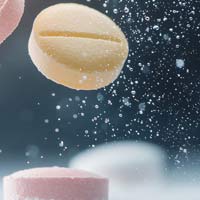
As a trusted leader in capsule contract manufacturing, Vitaquest has technical expertise, quality systems, and manufacturing capabilities to support the development of GLP-1 support supplements. In addition to exceptional capsule contract manufacturing services, Vitaquest offers a variety of dosage forms, including tablets, chewable tablets, orally disintegrating tablets (ODTs), effervescents, and powders to help brands meet diverse consumer preferences and formulation requirements.
Whether you’re launching your first product or expanding an existing portfolio, Vitaquest offers decades of industry experience, manufacturing technologies, and customer support to help advance your project requirements.
For more information on how Vitaquest can help you formulate and manufacture GLP-1 support supplements, call 800-526-9095 to speak with one of our knowledgeable production specialists or request a nutraceutical manufacturing price quote if you’ve already finalized your project requirements!
Frequently Asked Questions About GLP-1 Support Supplements
What are GLP-1 support supplements?
GLP-1 support supplements are not natural versions of GLP-1 drugs. GLP-1 support supplements are dietary supplements designed to complement broader metabolic health and weight management strategies. Depending on the formulation and serving size, they may support satiety, healthy blood sugar metabolism, skin appearance, muscle maintenance, bone health, and overall nutritional status, but brands should avoid implying that these benefits have been established specifically in people taking GLP-1 medications unless directly substantiated.
What ingredients are commonly used in GLP-1 support supplements?
Common ingredients include black ginger extract, green tea phytosome, oligofructose-enriched inulin, collagen peptides, hyaluronic acid, ceramides, pea protein, whey protein, creatine, HMB, vitamin D3, vitamin K2, S-equol, and milk basic protein.
What dosage forms may be appropriate for GLP-1 support formulations?
The appropriate dosage form depends on the ingredients and serving size requirements. Higher-dose ingredients such as protein and creatine are often better suited for powders, while many other nutraceuticals can be delivered in capsules or tablets when the formula and serving size support that format.
What should brands look for in a manufacturing partner?
Brands should seek a cGMP-certified manufacturing partner with extensive industry experience, strong quality systems, and expertise across multiple dosage forms, including capsules, tablets, chewable tablets, oral disintegrating tablets (ODTs), effervescent tablets, and powders. Regulatory knowledge, formulation capabilities, and comprehensive support services are also important considerations.
How can supplement brands validate their GLP-1 support formulations?
Brands should formulate their products with clinically relevant ingredient dosages supported by human research where available and maintain documentation that supports the specific structure-function claims used for the finished product. Using scientifically substantiated ingredients and appropriate documentation can help support structure-function claims, but brands should separately substantiate any claim that an ingredient addresses an effect associated with GLP-1 medication use or rapid or significant weight loss.
OZEMPIC® and WEGOVY® are registered trademarks of Novo Nordisk A/S.
MOUNJARO® and ZEPBOUND® are registered trademarks owned or licensed by Eli Lilly and Company, its subsidiaries, or affiliates.