












































Key Takeaways
- The fiber gap presents a significant opportunity for supplement brands. With only 9% of U.S. women meeting recommended daily fiber intake, brands have an opportunity to develop formulations that help address this widespread nutritional shortfall.
- The “fibermaxxing” trend is bringing renewed attention to fiber. Growing consumer interest in increasing daily fiber intake is creating opportunities for supplement brands to move beyond traditional digestive regularity products and explore multifunctional formulations supporting gut health, microbiome balance, metabolic wellness, satiety, and healthy aging.
- Innovative ingredient combinations are creating new formulation possibilities. Pairing different types of fiber with probiotics, vitamins, minerals, and other complementary ingredients allows brands to develop differentiated supplements targeting specific women’s health and wellness needs.
- Ingredient selection, delivery format, and manufacturing expertise are critical to success. Discover how fiber type, dosage, mixability, digestive tolerability, and quality considerations influence the development of effective, consumer-friendly supplements across powders, stick packs, capsules, and chewable tablets.
Fiber supplements for women are evolving beyond basic regularity aids into multifunctional formulations designed to support gut health, microbiome balance, metabolic health, and satiety.1NIH. Health benefits of dietary fibers vary. May 24, 2022. Retrieved October 20, 2026 from https://www.nih.gov/news-events/nih-research-matters/health-benefits-dietary-fibers-vary. 2Deehan EC, Mocanu V, Madsen KL. Effects of dietary fibre on metabolic health and obesity. Nat Rev Gastroenterol Hepatol. 2024;21:301–318. https://doi.org/10.1038/s41575-023-00891-z.
This article explores what goes into developing good fiber supplements for women, including the supplement categories and complementary ingredients driving innovation, as well as key formulation and manufacturing considerations for today’s consumers.
Why Fiber Is Becoming a Core Ingredient in Women’s Supplement Formulations
Two key industry trends are driving increased interest in fiber for women’s health:
- The fiber gap: An opportunity for supplement brands to help consumers address inadequate dietary fiber intake.
- The shift toward multifunctional ingredients: Growing recognition of fiber’s potential to support multiple areas of women’s health beyond digestive regularity.
Both trends are influencing how supplement brands approach product development, as explored in the sections below.
The Fiber Gap as a Formulation Opportunity
According to NHANES data reported by the American Society for Nutrition, only 9% of U.S. women meet the recommended daily fiber intake of approximately 25 g.3ASN staff. Most Americans are not getting enough fiber in our diets. American Society for Nutrition. Jun 9, 2021. Retrieved October 20, 2026 from https://nutrition.org/most-americans-are-not-getting-enough-fiber-in-our-diets/
This substantial nutritional gap presents supplement brand owners with an opportunity to expand their women’s health product lines with fiber formulations that support digestive regularity, gut health, and broader wellness goals. It also provides consumers with a clear, easy-to-understand nutritional benefit.
Fiber’s Shift from Single-Function to Multifunctional Ingredient
Industry coverage increasingly describes fiber as “the next protein” in women’s wellness, reflecting its expanding role in digestive health, weight management, and multifunctional product innovation.4Fiber optics: Focusing on women’s wellness, snacks – digital magazine. SupplySide Food and Beverage Journal. November 13, 2025. Retrieved October 20, 2026 from https://www.supplysidefbj.com/snacks/fiber-optics-focusing-on-women-s-wellness-snacks-digital-magazin. The viral “fibermaxxing” trend also signals growing consumer interest in fiber.
In response, formulators are incorporating fiber into digestive, metabolic, and life-stage supplements rather than limiting it to standalone products focused on regularity.
Women’s Supplement Categories Using Fiber as a Core Ingredient
Formulators are increasingly incorporating fiber into five key women’s supplement categories:
- Digestive and gut wellness supplements
- Metabolic and blood sugar support supplements
- Satiety and daily fullness formulas
- Prebiotic and synbiotic blends
- Life-stage and healthy aging formulations
Each category presents opportunities for supplement brands to develop products that address women’s evolving health and wellness needs.
Digestive and Gut Wellness Supplements
For consumers seeking the best supplements for gut health, soluble fibers such as partially hydrolyzed guar gum (PHGG) and acacia are increasingly being incorporated into digestive wellness formulations to support regularity, bowel function, and gastrointestinal comfort.5Slavin JL, Greenberg NA. Partially hydrolyzed guar gum: clinical nutrition uses. Nutrition. 2003 Jun;19(6):549-52. doi: 10.1016/s0899-9007(02)01032-8. PMID: 12781858. 6Larson R, Nelson C, Korczak R, Willis H, Erickson J, Wang Q, Slavin J. Acacia Gum Is Well Tolerated While Increasing Satiety and Lowering Peak Blood Glucose Response in Healthy Human Subjects. Nutrients. 2021 Feb 14;13(2):618. doi: 10.3390/nu13020618. PMID: 33672963; PMCID: PMC7918852.
Fibers with gradual fermentation and good clinical tolerability are particularly attractive to formulators because they may help minimize gas and bloating. However, individual tolerance can vary depending on the fiber type and dose.7Mysonhimer AR, Holscher HD. Gastrointestinal Effects and Tolerance of Nondigestible Carbohydrate Consumption. Adv Nutr. 2022 Dec 22;13(6):2237-2276. doi: 10.1093/advances/nmac094. PMID: 36041173; PMCID: PMC9776669. 8Niv E, Halak A, Tiommny E, Yanai H, Strul H, Naftali T, Vaisman N. Randomized clinical study: Partially hydrolyzed guar gum (PHGG) versus placebo in the treatment of patients with irritable bowel syndrome. Nutr Metab (Lond). 2016 Feb 6;13:10. doi: 10.1186/s12986-016-0070-5. PMID: 26855665; PMCID: PMC4744437.
Metabolic and Blood Sugar Support Supplements
Metabolic wellness supplements for women increasingly combine fiber for blood sugar support with complementary ingredients. Soluble fibers such as psyllium and beta-glucan may help moderate post-meal glucose responses, while chromium and cinnamon extract are often included for their potential metabolic benefits.9Gholami Z, Clark CCT, Paknahad Z. The effect of psyllium on fasting blood sugar, HbA1c, HOMA IR, and insulin control: a GRADE-assessed systematic review and meta-analysis of randomized controlled trials. BMC Endocr Disord. 2024 Jun 6;24(1):82. doi: 10.1186/s12902-024-01608-2. PMID: 38844885; PMCID: PMC11155034. 10National Center for Complementary and Integrative Health (NCCIH). Diabetes and Dietary Supplements. Retrieved October 20, 2026 from https://www.nccih.nih.gov/health/diabetes-and-dietary-supplements-what-you-need-to-know.
However, scientific evidence supporting chromium and cinnamon remains mixed, and their potential benefits may vary depending on the ingredient form, dosage, and individual health status.
Satiety and Daily Fullness Formulas
Satiety-focused supplements use soluble, gel-forming fibers to support feelings of fullness between meals. Glucomannan, derived from konjac root, absorbs water to form a gel, while clinical trials suggest psyllium may help increase fullness and reduce hunger.11NIH Office of Dietary Supplements. Dietary Supplements for Weight Loss: Health Professional Fact Sheet. Retrieved October 20, 2026 from https://ods.od.nih.gov/factsheets/WeightLoss-HealthProfessional/. 12Brum JM, Gibb RD, Peters JC, Mattes RD. Satiety effects of psyllium in healthy volunteers. Appetite. 2016 Oct 1;105:27-36. doi: 10.1016/j.appet.2016.04.041. Epub 2016 May 7. PMID: 27166077.
For supplement brands, these ingredients present opportunities to develop products that complement daily wellness routines without positioning them around weight-loss claims.
Prebiotic and Synbiotic Blends
Prebiotic fiber supplements are increasingly being incorporated into women’s gut wellness formulations, sometimes alongside selected probiotic strains. These synbiotic formulations may help support beneficial gut bacteria, digestive function, and microbiome balance, creating opportunities for multifunctional products.13Hughes RL, Alvarado DA, Swanson KS, Holscher HD. The Prebiotic Potential of Inulin-Type Fructans: A Systematic Review. Adv Nutr. 2022 Mar;13(2):492-529. doi: 10.1093/advances/nmab119. Epub 2023 Feb 10. PMID: 34555168; PMCID: PMC8970830. 14Cosier DJ, Lambert K, Neale EP, Probst Y, Charlton K. The effect of oral synbiotics on the gut microbiota and inflammatory biomarkers in healthy adults: a systematic review and meta-analysis. Nutr Rev. 2025 Feb 1;83(2):e4-e24. doi: 10.1093/nutrit/nuae002. PMID: 38341803; PMCID: PMC12086677.
Life Stage and Healthy Aging Supplement Formulas
Life-stage supplements for women in their 40s and beyond increasingly combine fiber with nutrients such as calcium and vitamin D to support digestive wellness and healthy aging.
In a small, randomized crossover trial involving 14 postmenopausal women, daily consumption of 10–20 g of soluble corn fiber increased bone calcium retention by 4.8%–7%.15Jakeman SA, Henry CN, Martin BR, McCabe GP, McCabe LD, Jackson GS, Peacock M, Weaver CM. Soluble corn fiber increases bone calcium retention in postmenopausal women in a dose-dependent manner: a randomized crossover trial. Am J Clin Nutr. 2016 Sep;104(3):837-43. doi: 10.3945/ajcn.116.132761. Epub 2016 Jul 27. Erratum in: Am J Clin Nutr. 2017 Mar;105(3):772. doi: 10.3945/ajcn.116.152090. PMID: 27465372. While promising, these findings require confirmation in larger, longer-term studies.
Pairing Fiber with Complementary Ingredients
Combining fiber with complementary ingredients creates opportunities for supplement brands to develop multifunctional products that address a variety of women’s health and wellness needs.
The table below highlights potential ingredient combinations and their intended formulation purposes.
| Fiber Base | Complementary Ingredients | Formulation Purpose |
| Prebiotic fibers (inulin, PHGG) | Probiotic strains | Synbiotic gut wellness formulations16De Giani A, Sandionigi A, Zampolli J, Michelotti A, Tursi F, Labra M, Di Gennaro P. Effects of Inulin-Based Prebiotics Alone or in Combination with Probiotics on Human Gut Microbiota and Markers of Immune System: A Randomized, Double-Blind, Placebo-Controlled Study in Healthy Subjects. Microorganisms. 2022 Jun 20;10(6):1256. doi: 10.3390/microorganisms10061256. PMID: 35744774; PMCID: PMC9229734. |
| Viscous fibers (psyllium, beta-glucan) | Chromium, cinnamon extract | Metabolic support formulations17Gibb RD, McRorie JW Jr, Russell DA, Hasselblad V, D’Alessio DA. Psyllium fiber improves glycemic control proportional to loss of glycemic control: a meta-analysis of data in euglycemic subjects, patients at risk of type 2 diabetes mellitus, and patients being treated for type 2 diabetes mellitus. Am J Clin Nutr. 2015 Dec;102(6):1604-14. doi: 10.3945/ajcn.115.106989. Epub 2015 Nov 11. PMID: 26561625. |
| Soluble corn fiber | Calcium, vitamin D, magnesium | Life stage and healthy aging formulations18Jakeman SA, Henry CN, Martin BR, McCabe GP, McCabe LD, Jackson GS, Peacock M, Weaver CM. Soluble corn fiber increases bone calcium retention in postmenopausal women in a dose-dependent manner: a randomized crossover trial. Am J Clin Nutr. 2016 Sep;104(3):837-43. doi: 10.3945/ajcn.116.132761. Epub 2016 Jul 27. Erratum in: Am J Clin Nutr. 2017 Mar;105(3):772. doi: 10.3945/ajcn.116.152090. PMID: 27465372. |
| Fiber blends | Plant or whey protein | Protein-fiber powders19Wu S, Jia W, He H, Yin J, Xu H, He C, Zhang Q, Peng Y, Cheng R. A New Dietary Fiber Can Enhance Satiety and Reduce Postprandial Blood Glucose in Healthy Adults: A Randomized Cross-Over Trial. Nutrients. 2023 Oct 27;15(21):4569. doi: 10.3390/nu15214569. PMID: 37960222; PMCID: PMC10648557. |
| Acacia fiber | Ginger, digestive enzymes | Digestive comfort formulations20JanssenDuijghuijsen L, van den Belt M, Rijnaarts I, Vos P, Guillemet D, Witteman B, de Wit N. Acacia fiber or probiotic supplements to relieve gastrointestinal complaints in patients with constipation-predominant IBS: a 4-week randomized double-blinded placebo-controlled intervention trial. Eur J Nutr. 2024 Aug;63(5):1983-1994. doi: 10.1007/s00394-024-03398-8. Epub 2024 Apr 23. Erratum in: Eur J Nutr. 2025 Mar 22;64(3):135. doi: 10.1007/s00394-025-03586-0. PMID: 38653808; PMCID: PMC11329592. |
Top Delivery Formats for Fiber-Based Women’s Supplements
For brands developing high fiber supplements for women, powders and sachets can be practical delivery formats because they accommodate gram-level fiber doses. Metabolic-support formulations may also use powders or capsules, depending on the fiber dose and its characteristics, including viscosity.
Life-stage and healthy-aging supplements, as well as protein-fiber blends, are often better suited to powders or ready-to-mix products that can accommodate larger amounts of fiber alongside complementary nutrients and protein.
Powders
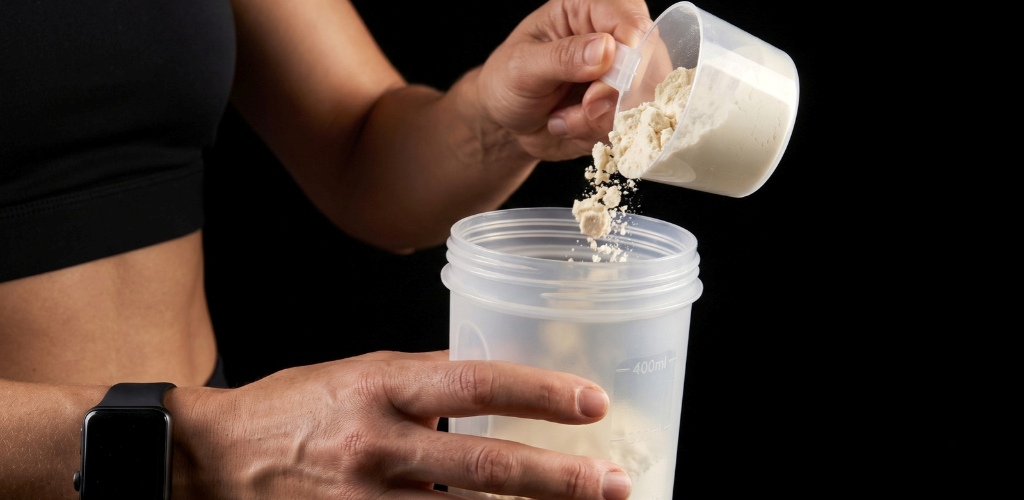
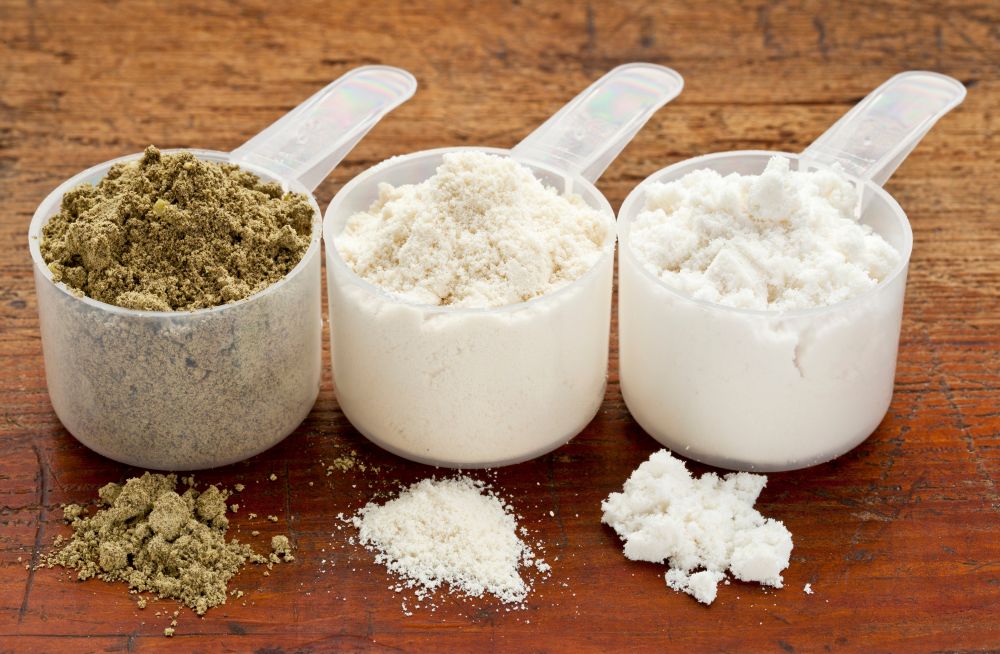
Powders are practical for digestive, metabolic, and protein-fiber formulations because they can accommodate gram-level fiber doses. In powder supplement manufacturing, techniques such as agglomeration and particle engineering can improve powder flow, wettability, dispersion, and mixability while helping reduce clumping.
Vitaquest offers granulation, agglomeration, and instantization capabilities to help develop uniform, free-flowing powders for supplement applications.21https://vitaquest.com/powder-supplement-and-particle-engineering-services/ 22https://vitaquest.com/powder-supplement-manufacturing-services/
Capsules and Tablets
Hard capsules and standard tablets are suitable for lower-dose prebiotic fibers in multi-ingredient women’s health formulations. When working with a capsule supplement manufacturer, brands should consider capsule size and powder density, as these factors influence the amount of fiber that can fit into each capsule. Typical capsules hold approximately 300–800 mg of powder, making these formats more practical for formulations requiring smaller fiber doses.23Capsule size chart. Capsules.com. Retrieved October 20, 2026 from https://capsules.com/us/tools/capsule-size-chart.
Chewable Supplements
Chewable tablets offer women a convenient, water-free alternative to swallowing capsules or mixing fiber powders into drinks. They can accommodate moderate prebiotic doses, although delivering several grams of fiber per serving may require multiple tablets.
Successful formulation requires careful selection of compatible fibers and attention to taste, texture, mouthfeel, and grittiness. Limited serving volume can also make it challenging to deliver meaningful fiber amounts without compromising palatability or tablet size.24Nyamweya NN. Kimani SN. Chewable Tablets: A Review of Formulation Considerations. Pharmaceutical Technology. 2020; 44(11).
Ready-to-Mix Sachets and Single-Serve Packets
Stick packs, sachets, and other single-serve packets provide pre-measured portions of fiber powder that can be mixed into water, smoothies, or other beverages.
Their portability, portion consistency, and minimal preparation make them particularly convenient for women looking to incorporate digestive wellness or prebiotic fiber supplementation into their daily routines, whether at home, work, or while traveling.
Manufacturing Considerations for Fiber-Based Formulations
When selecting a fiber supplement manufacturer, brand owners should look for formulation expertise, reliable ingredient sourcing, appropriate delivery format options, and rigorous quality testing in accordance with current Good Manufacturing Practices (cGMP).
An experienced contract development and manufacturing organization should also offer stability testing, packaging guidance, support for regulatory-compliant labeling, and production capabilities that align with your brand’s anticipated needs.
Mixability, Taste, and Tolerance
Fiber formulations can present challenges with clumping, grittiness, and excessive thickness, particularly in ready-to-mix products. Optimizing particle size, dispersion, and flavor systems can improve mixability, texture, and overall palatability.
Combining fibers with different fermentation rates may help balance functionality and tolerability. However, tolerance varies by fiber type and dose, and gradually increasing fiber intake may help reduce gastrointestinal discomfort.25Feng Y, Jin Q, Liu X, Lin T, Johnson A, Huang H. Advances in understanding dietary fiber: Classification, structural characterization, modification, and gut microbiome interactions. Compr Rev Food Sci Food Saf. 2025 Jan;24(1):e70092. doi: 10.1111/1541-4337.70092. PMID: 39840651; PMCID: PMC11752078. 26Mysonhimer AR, Holscher HD. Gastrointestinal Effects and Tolerance of Nondigestible Carbohydrate Consumption. Adv Nutr. 2022 Dec 22;13(6):2237-2276. doi: 10.1093/advances/nmac094. PMID: 36041173; PMCID: PMC9776669. 27Lambeau KV, McRorie JW Jr. Fiber supplements and clinically proven health benefits: How to recognize and recommend an effective fiber therapy. J Am Assoc Nurse Pract. 2017 Apr;29(4):216-223. doi: 10.1002/2327-6924.12447. Epub 2017 Mar 2. PMID: 28252255; PMCID: PMC5413815.
Quality, Packaging, and Label Compliance
Brand owners should look for manufacturers that conduct fiber identity and content testing, heavy metal screening, and microbial testing. Vitaquest operates in accordance with FDA cGMP requirements and maintains NSF GMP registration, USP GMP verification, and FSSC 22000 food safety certification.28https://vitaquest.com/quality/ 29https://info.nsf.org/Certified/gmp/listings.asp?Certname=Vitaquest 30https://vitaquest.com/vitaquest-secures-usp-verification-at-all-manufacturing-sites/ 31https://vitaquest.com/vitaquest-receives-fssc-22000/
Moisture-barrier packaging helps protect hygroscopic fibers from moisture-related clumping and stability loss. Isolated fibers must meet FDA’s dietary-fiber definition to count toward labeled fiber content.32U.S. FDA. Questions and Answers on Dietary Fiber. Retrieved October 20, 2026 from https://www.fda.gov/food/nutrition-food-labeling-and-critical-foods/questions-and-answers-dietary-fiber 33U.S. FDA. Small Entity Compliance Guide: Current Good Manufacturing Practice in Manufacturing, Packaging, Labeling, or Holding Operations for Dietary Supplements. Retrieved October 20, 2026 from https://www.fda.gov/regulatory-information/search-fda-guidance-documents/small-entity-compliance-guide-current-good-manufacturing-practice-manufacturing-packaging-labeling.
Fiber Selection and Ingredient Compatibility
Experienced supplement contract manufacturers can help your brand select fibers based on their solubility, viscosity, fermentability, and intended benefits, ranging from digestive regularity to microbiome and metabolic support.
They also evaluate compatibility with probiotics, minerals, proteins, and vitamins, since ingredient interactions can affect nutrient availability, probiotic viability, texture, stability, and overall finished-product performance.34Gill SK, Rossi M, Bajka B, et al. Dietary fibre in gastrointestinal health and disease. Nat Rev Gastroenterol Hepatol. 2021;18:101–116. https://doi.org/10.1038/s41575-020-00375-4. 35Capuano E. The behavior of dietary fiber in the gastrointestinal tract determines its physiological effect. Crit Rev Food Sci Nutr. 2017 Nov 2;57(16):3543-3564. doi: 10.1080/10408398.2016.1180501. PMID: 27229126.
Dosage, Serving Size, and Formula Feasibility
The intended daily fiber dose significantly influences serving size and delivery format. Powders and stick packs can accommodate gram-level amounts, while capsules and tablets may require multiple units to deliver comparable quantities.
A tablet supplements manufacturer must evaluate ingredient loading, tablet size, and swallowability to determine whether the intended fiber dose is feasible. For powdered formats, manufacturers must also consider serving convenience, mixability, and palatability to ensure the finished product meets consumer expectations.36U.S. FDA. Dietary Supplement Labeling Guide: Chapter IV. Nutrition Labeling. Retrieved October 20, 2026 from https://www.fda.gov/food/dietary-supplements-guidance-documents-regulatory-information/dietary-supplement-labeling-guide-chapter-iv-nutrition-labeling. 37UCSF Health. Fiber Supplements. Retrieved October 20, 2026 from https://www.ucsfhealth.org/health-articles/fiber-supplements.
Scale-Up and Production Consistency
Fiber formulations should be evaluated during scale-up to ensure blending, filling, and serving uniformity remain consistent throughout commercial production.
Controlled manufacturing processes and in-process quality checks, including blend-uniformity sampling, fill-weight monitoring, and texture assessments where appropriate, help maintain consistent fiber distribution, product texture, and finished-product quality across production batches.38U.S. FDA. Questions and Answers on Current Good Manufacturing Practice Regulations | Production and Process Controls. Retrieved October 20, 2026 from https://www.fda.gov/drugs/guidances-drugs/questions-and-answers-current-good-manufacturing-practice-regulations-production-and-process. 39Processing and Powder Blend Uniformity. SupplySide Supplement Journal. July 22, 2009. https://www.supplysidesj.com/manufacturing/processing-and-powder-blend-uniformity. 40U.S. FDA. Small Entity Compliance Guide: Current Good Manufacturing Practice in Manufacturing, Packaging, Labeling, or Holding Operations for Dietary Supplements. Retrieved October 20, 2026 from https://www.fda.gov/regulatory-information/search-fda-guidance-documents/small-entity-compliance-guide-current-good-manufacturing-practice-manufacturing-packaging-labeling.
The Future of Fiber in Women’s Supplement Formulations
Fiber supplements for women are evolving into multifunctional products designed to support digestive wellness, metabolic health, satiety, and healthy aging. From prebiotic and synbiotic blends to powders, stick packs, capsules, and chewable tablets, successful formulations require careful ingredient selection, appropriate dosing, and consistent manufacturing quality.
With over 45 years of experience, extensive formulation expertise, advanced manufacturing capabilities, and rigorous quality standards, Vitaquest can help you develop a differentiated, well-formulated fiber-based supplement.
Get started today by calling 800-526-9095 to speak with one of our knowledgeable manufacturing specialists or request a competitive nutraceutical manufacturing price quote if you’ve already finalized your project requirements.
Frequently Asked Questions about Fiber Supplements for Women
How much fiber do women need each day?
Daily fiber recommendations vary by age. Women ages 19–30 should aim for approximately 28 grams per day, while those ages 31–50 need about 25 grams and women 51 and older need around 22 grams. Fiber requirements may be higher during pregnancy and lactation, depending on age and individual nutritional needs.
Why are brands adding fiber to women’s supplement formulations?
Brands are incorporating fiber into women’s supplements to help address common dietary shortfalls and expand formulations beyond digestive regularity. Depending on the ingredient, fiber can support gut microbiome health, metabolic wellness, and healthy aging. It also creates opportunities to combine prebiotic fibers with probiotics, vitamins, minerals, and other complementary ingredients.
Which fiber ingredients are most common in women’s supplements?
Common fiber ingredients include psyllium, inulin, partially hydrolyzed guar gum (PHGG), acacia fiber, beta-glucan, and soluble corn fiber. Each has different characteristics, including viscosity, fermentability, digestive tolerability, and potential health benefits. Selecting the right ingredient depends on the product’s intended benefits, delivery format, and target consumer.
What makes a good fiber supplement for women?
A good fiber supplement for women provides a clearly labeled amount of fiber appropriate for its intended purpose. It should also be convenient to use, with acceptable taste, texture, and digestive tolerability. Brands should prioritize ingredient quality, appropriate testing, accurate labeling, and clear usage directions, including guidance on gradually increasing fiber intake when appropriate.
Which ingredients pair well with prebiotic fiber?
Prebiotic fibers such as inulin and partially hydrolyzed guar gum (PHGG) can be combined with selected probiotic strains to create synbiotic formulations. Depending on the intended benefits, brands may also incorporate vitamins, minerals, or protein. Ingredient compatibility, stability, appropriate dosages, and scientific evidence should guide the selection of complementary ingredients.
Which supplement format works best for high fiber amounts?
Powders and single-serve stick packs are generally better suited for higher fiber doses because they can accommodate gram-level servings without requiring consumers to swallow multiple capsules or tablets. Capsules and chewable tablets may be practical for smaller amounts, while powdered formats offer greater formulation flexibility for fiber blends and combinations with other ingredients, including protein.