






































Key Takeaways
- Sports nutrition is becoming a much bigger opportunity for supplement brands. With the global market projected to reach $138.5 billion by 2033, brands have opportunities to reach consumers well beyond traditional athletes.
- The latest sports nutrition trends extend far beyond athletic performance. Recovery, hydration, cognitive wellness, sleep, occasional stress support, and healthy aging are creating new possibilities for differentiated supplement formulations.
- Consumer preferences are reshaping sports nutrition product development. Personalized formulations, multi-benefit supplements, plant-based ingredients, and convenient delivery formats offer opportunities to reach active women, older adults, and everyday wellness consumers.
- Successful product innovation requires more than following trends. Discover how science-backed ingredient selection, effective dosing, flavor optimization, quality certifications, and experienced manufacturing can help your brand develop products that stand out in a competitive marketplace.
The global sports nutrition market was valued at $71.6 billion in 2025 and is projected to reach $138.5 billion by 2033, growing at an 8.7% compound annual growth rate (CAGR).1Sports Nutrition Market (2026 – 2033). Grand View Research. Retrieved October 14, 2026 from https://www.grandviewresearch.com/industry-analysis/sports-nutrition-market.
Historically focused on energy, endurance, and athletic performance, the category now encompasses recovery, hydration, cognitive wellness, occasional stress and sleep support, healthy aging, and weight management. These evolving sports nutrition trends are creating new opportunities for your brand to reach consumers whose wellness goals extend beyond athletic performance.
In this article, we’ll explore the consumer preferences and ingredients shaping sports nutrition in 2027, along with formulation design and manufacturing considerations for your next product. Whether you’re expanding an existing line or entering the category, you’ll learn how to evaluate opportunities to develop supplements for athletes and everyday wellness consumers alike.
Latest Trends in Sports Nutrition Beyond Performance
The latest trends in sports nutrition reflect the category’s expansion beyond athletic performance. Key areas of interest include recovery nutrition, the expanded use of creatine, hydration, cognitive wellness, occasional stress support, sleep support, healthy aging and active longevity, and weight management and body composition.
Let’s take a closer look at these sports nutrition market trends and the opportunities they may create for your brand.
Recovery Nutrition: Supporting Active Lifestyles Beyond Performance
Recovery nutrition extends the focus beyond workout performance to include muscle recovery and support for active lifestyles. Ingredients such as protein, carbohydrates, electrolytes, and creatine can play complementary roles in supporting muscle protein synthesis, replenishing energy stores, and maintaining normal muscle function.2Naderi A, Rothschild JA, Santos HO, et al. Nutritional Strategies to Improve Post-exercise Recovery and Subsequent Exercise Performance: A Narrative Review. Sports Med. 2025; 55:1559–1577. https://doi.org/10.1007/s40279-025-02213-6. 3Jäger R, Kerksick CM, Campbell BI, et al. International Society of Sports Nutrition Position Stand: protein and exercise. J Int Soc Sports Nutr. 2017 Jun 20;14:20. doi: 10.1186/s12970-017-0177-8.
A 2025 review in Sports Medicine highlights the importance of tailoring protein, carbohydrate, and fluid strategies to individual post-exercise recovery needs. These needs create opportunities for your brand to develop targeted, convenient recovery products.
Manufacturer’s perspective: When developing creatine powders and stick packs, your manufacturer should carefully evaluate serving size, powder flow, dispersibility, settling, and flavor, particularly when delivering clinically relevant doses in convenient single servings. Micronized creatine may dissolve faster, but it does not guarantee complete dissolution.
Botanical recovery ingredients introduce additional considerations, including standardization of active compounds, extract ratios, color, taste, moisture absorption, and batch-to-batch consistency. Your manufacturer should prioritize clearly defined ingredient specifications, appropriate testing, supplier qualification, and packaging suited to the formulation. Sensory testing and moisture protection should also be part of development to help support product stability and consumer acceptance.
Top Sports Supplement Ingredients for Recovery Nutrition
Common sports nutrition ingredients to consider for your brand’s recovery formulations include:
| Sports Supplement Ingredient | Focus/Application in Recovery Nutrition |
| Protein (Whey, Casein, Plant-Based Proteins) | Provides amino acids that support muscle protein synthesis and post-exercise recovery.4Jäger R, Kerksick CM, Campbell BI, et al. International Society of Sports Nutrition Position Stand: protein and exercise. J Int Soc Sports Nutr. 2017 Jun 20;14:20. doi: 10.1186/s12970-017-0177-8. |
| Creatine | Included in recovery-focused supplements for its role in supporting muscle energy metabolism and exercise performance.5Kreider RB, Kalman DS, Antonio J, et al. International Society of Sports Nutrition position stand: safety and efficacy of creatine supplementation in exercise, sport, and medicine. J Int Soc Sports Nutr. 2017 Jun 13;14:18. doi: 10.1186/s12970-017-0173-z. |
| Essential Amino Acids (EAAs) | Used in recovery products to supply essential amino acids that support muscle protein synthesis after exercise.6Børsheim E, Tipton KD, Wolf SE, Wolfe RR. (2002). Essential amino acids and muscle protein recovery from resistance exercise. Am J Physiol Endocrinol Metab. 2002; 283(4): E648–E657. https://doi.org/10.1152/ajpendo.00466.2001. |
| Branched-Chain Amino Acids (BCAAs) | Included in recovery blends, with research exploring their potential to reduce post-exercise muscle soreness.7Weber MG, Dias SS, de Angelis TR, Fernandes EV, Bernardes AG, Milanez VF, Jussiani EI, de Paula Ramos S. The use of BCAA to decrease delayed-onset muscle soreness after a single bout of exercise: a systematic review and meta-analysis. Amino Acids. 2021 Nov;53(11):1663-1678. doi: 10.1007/s00726-021-03089-2. |
| Tart Cherry Extract | Used in recovery formulations based on research exploring the potential of tart cherry supplementation to support recovery following strenuous exercise.8Hill JA, Keane KM, Quinlan R, Howatson G. Tart Cherry Supplementation and Recovery From Strenuous Exercise: A Systematic Review and Meta-Analysis. Int J Sport Nutr Exerc Metab. 2021 Mar 1;31(2):154-167. doi: 10.1123/ijsnem.2020-0145. |
| Electrolytes | Included in recovery products to help replace electrolytes lost through sweat and support post-exercise hydration.9McDermott BP, Anderson SA, Armstrong LE, et al. National Athletic Trainers’ Association Position Statement: Fluid Replacement for the Physically Active. J Athl Train. 2017 Sep;52(9):877-895. doi: 10.4085/1062-6050-52.9.02. |
Creatine 2.0: A Familiar Ingredient for New Consumers
Creatine monohydrate remains the most extensively researched form of creatine, with strong evidence supporting high-intensity exercise performance. Research is also exploring its potential role in cognitive wellness, women’s active nutrition, and healthy aging.10Kreider RB, Kalman DS, Antonio J, et al. International Society of Sports Nutrition position stand: safety and efficacy of creatine supplementation in exercise, sport, and medicine. J Int Soc Sports Nutr. 2017 Jun 13;14:18. doi: 10.1186/s12970-017-0173-z. 11Candow DG, Ostojic SM, et al. Creatine monohydrate supplementation for older adults and clinical populations. J Int Soc Sports Nutr. 2025 Sep;22(sup1):2534130. doi: 10.1080/15502783.2025.2534130.
When considering newer forms for your brand, compare them with monohydrate based on human clinical evidence, effective doses, stability, cost, and suitability for dry powders and stick packs. Claims of superior absorption or efficacy should be supported by direct comparative evidence, not simply the promise of a newer ingredient.12Kreider RB, Jäger R, Purpura M. Bioavailability, Efficacy, Safety, and Regulatory Status of Creatine and Related Compounds: A Critical Review. Nutrients. 2022 Feb 28;14(5):1035. doi: 10.3390/nu14051035.
Hydration Nutrition: Expanding Beyond Traditional Sports Applications
Hydration has expanded beyond athletic performance into everyday wellness routines, creating opportunities for products designed around active lifestyles, travel, and outdoor recreation. Electrolyte products containing sodium and potassium can help replenish minerals lost through sweat and support normal fluid balance during exercise. Research suggests that carbohydrate-electrolyte beverages may also support post-exercise rehydration.13McDermott BP, Anderson SA, et al. National Athletic Trainers’ Association Position Statement: Fluid Replacement for the Physically Active. J Athl Train. 2017 Sep;52(9):877-895. doi: 10.4085/1062-6050-52.9.02. 14Borra V, De Brier N, Berry DC, et al. International Liaison Committee on Resuscitation First Aid Task Force. Oral Rehydration Beverages for Treating Exercise-Associated Dehydration: A Systematic Review, Part I. Carbohydrate-Electrolyte Solutions. J Athl Train. 2025 Jan 1;60(1):34-54. doi: 10.4085/1062-6050-0682.22.
Convenient powders, stick packs, tablets, and combination formulas featuring electrolytes alongside vitamins or other functional ingredients give your brand opportunities to develop portable hydration solutions for different consumer needs.
Formulation direction: Your hydration formula should reflect its intended use. Everyday wellness and travel products may emphasize low or zero sugar and easy mixing, while endurance exercise, high-heat activity, and recovery may require greater sodium replacement based on sweat losses.15Pérez-Castillo ÍM, Williams JA, López-Chicharro J, et al. Compositional Aspects of Beverages Designed to Promote Hydration Before, During, and After Exercise: Concepts Revisited. Nutrients. 2023 Dec 20;16(1):17. doi: 10.3390/nu16010017. 16Rowlands DS, Kopetschny BH, Badenhorst CE. The Hydrating Effects of Hypertonic, Isotonic and Hypotonic Sports Drinks and Waters on Central Hydration During Continuous Exercise: A Systematic Meta-Analysis and Perspective. Sports Med. 2022 Feb;52(2):349-375. doi: 10.1007/s40279-021-01558-y.
Carbohydrate-containing endurance products must balance fuel delivery with fluid absorption. Sodium, carbohydrate concentration, and osmolality (i.e., the concentration of dissolved particles in a drink) can influence hydration outcomes, so the appropriate formulation depends on the activity and conditions.
Your manufacturer should also evaluate electrolyte ratios, mineral solubility, acidity, flavor masking, and moisture control to address unpleasant tastes, poor mixing, and moisture absorption.
Manufacturer’s perspective: Magnesium illustrates these formulation trade-offs. Different salts vary in elemental magnesium content, solubility, taste, and other characteristics that affect finished-product performance. Higher magnesium targets can increase serving size or affect flavor and mixability, so salt selection should reflect your intended dose and delivery format. Moisture-barrier packaging design and stability testing should also be priorities for powdered stick packs.
Looking ahead, wearable sweat-sensing technologies could help inform more personalized hydration strategies. However, sweat measurements vary by collection method and conditions, and sensor-driven hydration remains an emerging approach that needs further validation before routine use.17Baker, L.B. Sweating Rate and Sweat Sodium Concentration in Athletes: A Review of Methodology and Intra/Interindividual Variability. Sports Med. 2017; 47 (Suppl 1), 111–128 (2017). https://doi.org/10.1007/s40279-017-0691-5.
Top Sports Supplement Ingredients for Hydration Nutrition
Common sports nutrition ingredients to consider for your brand’s hydration formulations include:
| Sports Supplement Ingredient | Focus/Application in Hydration Nutrition |
| Sodium | Helps replace sodium lost through sweat and supports fluid balance during and after exercise.18American College of Sports Medicine; Sawka MN, Burke LM, Eichner ER, Maughan RJ, Montain SJ, Stachenfeld NS. American College of Sports Medicine position stand. Exercise and fluid replacement. Med Sci Sports Exerc. 2007 Feb;39(2):377-90. doi: 10.1249/mss.0b013e31802ca597. |
| Potassium | Included in electrolyte blends to support normal muscle function and fluid balance.19American College of Sports Medicine; Sawka MN, Burke LM, Eichner ER, Maughan RJ, Montain SJ, Stachenfeld NS. American College of Sports Medicine position stand. Exercise and fluid replacement. Med Sci Sports Exerc. 2007 Feb;39(2):377-90. doi: 10.1249/mss.0b013e31802ca597. |
| Magnesium | Provides magnesium to support normal muscle and nerve function in physically active consumers.20National Institutes of Health, Office of Dietary Supplements. Magnesium: Fact Sheet for Health Professionals. NIH ODS. |
| Coconut Water Powder | Used as a source of naturally occurring electrolytes, particularly potassium. Confirm the powder’s mineral content and contribution per serving rather than assuming equivalence to coconut water beverages.21Kalman DS, Feldman S, Krieger DR, Bloomer RJ. Comparison of coconut water and a carbohydrate-electrolyte sport drink on measures of hydration and physical performance in exercise-trained men. J Int Soc Sports Nutr. 2012 Jan 18;9(1):1. doi: 10.1186/1550-2783-9-1. |
| Trace Minerals | May be included for broader nutritional support, with ingredient selection and dosing guided by the specific minerals and consumers’ nutritional needs.22Heffernan SM, Horner K, De Vito G, Conway GE. The Role of Mineral and Trace Element Supplementation in Exercise and Athletic Performance: A Systematic Review. Nutrients. 2019 Mar 24;11(3):696. doi: 10.3390/nu11030696. |
Cognitive Wellness: The Expansion of Mental Performance in Sports Nutrition
Sports nutrition is expanding beyond strength, endurance, and recovery to include cognitive wellness, reflecting consumer interest in combining physical performance with focus, mental energy, and concentration. This overlap creates opportunities for your brand to develop products around both physical and cognitive goals.
Ingredients such as caffeine, L-theanine, and alpha-GPC are appearing in pre-workout and daily wellness formulations. However, their inclusion in a product does not automatically establish a benefit for the finished formula.
Human research offers support for this direction: a systematic review and meta-analysis of randomized trials found that caffeine combined with L-theanine may modestly improve attention and performance on certain cognitive tasks, although results vary by outcome.23Payne ER, Aceves-Martins M, Dubost J, et al. Effects of Tea (Camellia sinensis) or its Bioactive Compounds l-Theanine or l-Theanine plus Caffeine on Cognition, Sleep, and Mood in Healthy Participants: A Systematic Review and Meta-Analysis of Randomized Controlled Trials. Nutr Rev. 2025 Oct 1;83(10):1873-1891. doi: 10.1093/nutrit/nuaf054. 24Anas Sohail A, Ortiz F, Varghese T, et al. The Cognitive-Enhancing Outcomes of Caffeine and L-theanine: A Systematic Review. Cureus. 2021 Dec 30;13(12):e20828. doi: 10.7759/cureus.20828. These findings can inform product development, but the supporting evidence should match each ingredient, dose, and intended claim.
Manufacturer’s perspective: Translating cognitive-support research into finished products requires balancing clinically studied doses with the practical limits of your chosen delivery format. Capsules and tablets may require multiple units per serving, while drink-mix powders offer room for larger doses but introduce taste and mixing challenges.
Your manufacturer should evaluate bitterness, solubility, ingredient compatibility, and moisture-related stability. Verifying caffeine content, assessing how ingredients work together, and conducting shelf-life testing should also be priorities.
Creatine’s potential cognitive benefits, including under sleep deprivation, remain an active research area, with results differing across studies. Your formulation and marketing claims should reflect the specific populations, doses, and outcomes studied rather than suggesting a universal benefit.
Top Sports Supplement Ingredients for Cognitive Wellness
Ingredients commonly associated with sports nutrition that are gaining attention in cognitive wellness formulations include the following:
| Sports Supplement Ingredient | Focus/Application in Cognitive Wellness |
| Caffeine | Used in pre-workout and performance formulas to support alertness, focus, and concentration.25McLellan TM, Caldwell JA, Lieberman HR. A review of caffeine’s effects on cognitive, physical and occupational performance. Neurosci Biobehav Rev. 2016 Dec;71:294-312. doi: 10.1016/j.neubiorev.2016.09.001. |
| L-Theanine | Often combined with caffeine in cognitive wellness formulations to support attention and focused alertness.26Payne ER, Aceves-Martins M, Dubost J, et al. Effects of Tea (Camellia sinensis) or its Bioactive Compounds l-Theanine or l-Theanine plus Caffeine on Cognition, Sleep, and Mood in Healthy Participants: A Systematic Review and Meta-Analysis of Randomized Controlled Trials. Nutr Rev. 2025 Oct 1;83(10):1873-1891. doi: 10.1093/nutrit/nuaf054. |
| Alpha-GPC | Included in cognitive-support supplements, with emerging human research exploring its potential effects on mental performance.27Kerksick CM. Acute Alpha-Glycerylphosphorylcholine Supplementation Enhances Cognitive Performance in Healthy Men. Nutrients. 2024 Dec 9;16(23):4240. doi: 10.3390/nu16234240. |
| Creatine | Increasingly studied for its potential role in brain energy metabolism and cognitive function.28Xu C, Bi S, Zhang W, Luo L. The effects of creatine supplementation on cognitive function in adults: a systematic review and meta-analysis. Front Nutr. 2024 Jul 12;11:1424972. doi: 10.3389/fnut.2024.1424972. Erratum in: Front Nutr. 2025 Feb 17;12:1570800. doi: 10.3389/fnut.2025.1570800. |
| Bacopa Monnieri | Used in cognitive wellness formulations, with clinical research exploring its potential benefits for memory and other aspects of cognitive function.29Pase MP, Kean J, Sarris J, et al. The cognitive-enhancing effects of Bacopa monnieri: a systematic review of randomized, controlled human clinical trials. J Altern Complement Med. 2012 Jul;18(7):647-52. doi: 10.1089/acm.2011.0367. |
| Citicoline (CDP-choline) | Included in cognitive-support formulations, with human research examining its potential benefits for memory in healthy older adults.30Nakazaki E, Mah E, Sanoshy K, et al. Citicoline and Memory Function in Healthy Older Adults: A Randomized, Double-Blind, Placebo-Controlled Clinical Trial. J Nutr. 2021 Aug 7;151(8):2153-2160. doi: 10.1093/jn/nxab119. |
| Rhodiola rosea | An adaptogenic botanical studied for its potential role in supporting physical and mental performance under stress, although findings remain mixed.31Ishaque S, Shamseer L, Bukutu C, Vohra S. Rhodiola rosea for physical and mental fatigue: a systematic review. BMC Complement Altern Med. 2012 May 29;12:70. doi: 10.1186/1472-6882-12-70. |
| B vitamins | Included in cognitive wellness formulations to support normal energy metabolism and nervous system function.32Kennedy DO. B Vitamins and the Brain: Mechanisms, Dose and Efficacy–A Review. Nutrients. 2016 Jan 27;8(2):68. doi: 10.3390/nu8020068. |
Stress Support: Addressing the Wellness Needs of Active Consumers
Stress support is increasingly intersecting with sports nutrition as consumers seek products that complement physical activity while supporting everyday resilience and recovery. Ingredients such as ashwagandha and Rhodiola rosea are being explored for their potential roles in supporting a healthy response to occasional stress, managing fatigue, and improving certain aspects of exercise performance.
A 2026 review found promising but limited evidence for certain adaptogens in athletes, with ashwagandha showing the most consistent results among those reviewed.33Książek A. Current Evidence and Practical Considerations for Adaptogen Use in Exercise Recovery, Training Adaptation, and Exercise Performance in Athletes: A Narrative Review. Nutrients. 2026 Aug 4;18(15):2552. doi: 10.3390/nu18152552. 34Akhgarjand C, Asoudeh F, Bagheri A, et al. Does Ashwagandha supplementation have a beneficial effect on the management of anxiety and stress? A systematic review and meta-analysis of randomized controlled trials. Phytother Res. 2022 Nov;36(11):4115-4124. doi: 10.1002/ptr.7598. This creates opportunities for your brand to develop products that combine performance, recovery, and everyday wellness benefits, provided claims are supported by research on the specific ingredients and doses used.
Manufacturer’s perspective: Selecting botanical ingredients involves more than choosing an ingredient by name. Your manufacturer should verify botanical identity, plant part, extract ratio, standardization of active compounds, and whether the finished product delivers a dose consistent with human clinical research.
Other important considerations include flavor, color, moisture sensitivity, and batch-to-batch variability, all of which can affect formulation, shelf life, and consumer acceptance. Supplier qualification and validated identity and potency testing are also essential for maintaining product consistency.
When marketing these products, focus on supporting a healthy response to occasional stress. Avoid claims of improved athletic performance unless they are supported by appropriate scientific evidence and comply with applicable regulations.
Top Sports Supplement Ingredients for Stress Support
Ingredients used or explored in sports nutrition and occasional stress-support formulations include the following:
| Sports Supplement Ingredient | Focus/Application in Stress Support |
| Ashwagandha | Used in wellness formulations to support a healthy response to occasional stress and everyday resilience.35Akhgarjand C, Asoudeh F, Bagheri A, et al. Does Ashwagandha supplementation have a beneficial effect on the management of anxiety and stress? A systematic review and meta-analysis of randomized controlled trials. Phytother Res. 2022 Nov;36(11):4115-4124. doi: 10.1002/ptr.7598. |
| Rhodiola Rosea | Included in adaptogenic blends, with research exploring its potential to support physical and mental performance during periods of fatigue.36Ishaque S, Shamseer L, Bukutu C, Vohra S. Rhodiola rosea for physical and mental fatigue: a systematic review. BMC Complement Altern Med. 2012 May 29;12:70. doi: 10.1186/1472-6882-12-70. |
| Magnesium | Used in stress-support formulations due to its role in normal nervous system function and its potential benefits for perceived stress.37Boyle NB, Lawton C, Dye L. The Effects of Magnesium Supplementation on Subjective Anxiety and Stress-A Systematic Review. Nutrients. 2017 Apr 26;9(5):429. doi: 10.3390/nu9050429. |
| L-Theanine | Included in calming formulations designed to support relaxation, focused attention, and a healthy response to occasional stress.38Williams JL, Everett JM, D’Cunha NM, et al. The Effects of Green Tea Amino Acid L-Theanine Consumption on the Ability to Manage Stress and Anxiety Levels: a Systematic Review. Plant Foods Hum Nutr. 2020 Mar;75(1):12-23. doi: 10.1007/s11130-019-00771-5. |
| Shatavari | An emerging botanical studied for stress-related outcomes in menopausal women, although evidence for its independent stress-support benefits remains limited.39Ademola J, Ajgaonkar A, Debnath T, et al. Efficacy and safety of Shatavari root extract (Asparagus racemosus) for menopausal symptoms: a randomized, double-blind, three-arm, placebo-controlled study. Front Reprod Health. 2025 Nov 27;7:1654503. doi: 10.3389/frph.2025.1654503. |
Sleep Support: Connecting Recovery Nutrition with Rest and Wellness
Sleep support is becoming an important extension of sports nutrition as active consumers increasingly recognize that adequate rest complements training, recovery, and everyday well-being. Sleep-support products may complement recovery-focused nutrition by promoting relaxation and supporting healthy sleep patterns.
Research suggests that extending sleep duration may benefit certain aspects of athletic performance.40Silva AC, Silva A, Edwards BJ, et al. Sleep extension in athletes: what we know so far – A systematic review. Sleep Med. 2021 Jan;77:128-135. doi: 10.1016/j.sleep.2020.11.028. 41Walsh NP, Halson SL, Sargent C, et al. Sleep and the athlete: narrative review and 2021 expert consensus recommendations. Br J Sports Med. 2021;55:356-368. Ingredients such as melatonin have also shown potential to improve subjective sleep quality in clinical studies.42Chan V, Lo K. Efficacy of dietary supplements on improving sleep quality: a systematic review and meta-analysis. Postgrad Med J. 2022 Apr;98(1158):285-293. doi: 10.1136/postgradmedj-2020-139319. These findings create opportunities for your brand to develop products that support both recovery and healthy sleep.
Manufacturer’s perspective: Sleep-support formulations must balance clinically studied ingredient doses with the practical limitations of capsules, tablets, and flavored powders. Evening-use products should offer convenient serving sizes and appealing flavors while accounting for bitterness, ingredient compatibility, moisture sensitivity, and shelf-life stability.
Your manufacturer should also verify that active ingredients remain within specifications throughout storage and that the selected delivery format supports consistent dosing.
Importantly, research supporting individual ingredients does not automatically establish the effectiveness of a finished combination formula. Any product claims should reflect the available evidence for the specific ingredients, doses, and intended benefits.
Top Sports Supplement Ingredients for Sleep Support
Ingredients gaining attention in sleep-support and nighttime recovery formulations include the following:
| Sports Supplement Ingredient | Focus/Application in Sleep Support |
| Magnesium | Used in nighttime recovery formulations, with research exploring its potential role in supporting relaxation and sleep quality.43Arab A, Rafie N, Amani R, Shirani F. The Role of Magnesium in Sleep Health: a Systematic Review of Available Literature. Biol Trace Elem Res. 2023 Jan;201(1):121-128. doi: 10.1007/s12011-022-03162-1. |
| Glycine | Included in sleep-support supplements based on research examining its potential to improve subjective sleep quality.44Yamadera W, Inagawa K, Chiba S,et al. Glycine ingestion improves subjective sleep quality in human volunteers, correlating with polysomnographic changes. Sleep and Biological Rhythms. 2007; 5:126–131. |
| L-Theanine | Used in relaxation-focused formulations to support calmness and healthy sleep patterns.45Bulman A, D’Cunha NM, Marx W, et al. The effects of L-theanine consumption on sleep outcomes: A systematic review and meta-analysis. Sleep Med Rev. 2025 Jun;81:102076. doi: 10.1016/j.smrv.2025.102076. |
| Melatonin | Included in sleep-support formulations due to its role in regulating the sleep-wake cycle and supporting healthy sleep patterns.46Cruz-Sanabria F, Bruno S, Crippa A, et al. Optimizing the Time and Dose of Melatonin as a Sleep-Promoting Drug: A Systematic Review of Randomized Controlled Trials and Dose-Response Meta-Analysis. J Pineal Res. 2024 Aug;76(5):e12985. doi: 10.1111/jpi.12985. |
Healthy Aging and Active Longevity
Sports nutrition is expanding into healthy aging as consumers seek to maintain active lifestyles, muscle function, and physical capabilities throughout life. Older adults are becoming an increasingly important audience for products traditionally marketed to athletes, including protein powders, essential amino acids, and creatine.
Research supports adequate protein intake, particularly when combined with resistance exercise, as a strategy for maintaining muscle health. The PROT-AGE Study Group recommends approximately 1.0–1.2 grams of protein per kilogram of body weight daily for healthy adults over 65, with intake individualized to nutritional needs and health status.47Bauer J, Biolo G, Cederholm T, et al. Evidence-based recommendations for optimal dietary protein intake in older people: a position paper from the PROT-AGE Study Group. J Am Med Dir Assoc. 2013 Aug;14(8):542-59. doi: 10.1016/j.jamda.2013.05.021. 48Deutz NE, Bauer JM, Barazzoni R, et al. Protein intake and exercise for optimal muscle function with aging: recommendations from the ESPEN Expert Group. Clin Nutr. 2014 Dec;33(6):929-36. doi: 10.1016/j.clnu.2014.04.007.
Positioning direction: Active longevity presents an emerging opportunity for your brand to develop products focused on maintaining strength, mobility, recovery capacity, and physical independence throughout midlife and beyond.
Potential formulations include high-quality protein, essential amino acids, creatine monohydrate, collagen peptides, vitamin D and minerals, electrolyte blends, and selected cognitive-wellness ingredients. Each opportunity should be evaluated based on human clinical evidence, appropriate doses, the needs of your target audience, and practical formulation requirements.
Protein combined with resistance exercise has particularly strong scientific support for maintaining muscle health as adults age.49Bauer J, Biolo G, Cederholm T, Cesari M, Cruz-Jentoft AJ, Morley JE, Phillips S, Sieber C, Stehle P, Teta D, Visvanathan R, Volpi E, Boirie Y. Evidence-based recommendations for optimal dietary protein intake in older people: a position paper from the PROT-AGE Study Group. J Am Med Dir Assoc. 2013 Aug;14(8):542-59. doi: 10.1016/j.jamda.2013.05.021. 50Deutz NE, Bauer JM, Barazzoni R, et al. Protein intake and exercise for optimal muscle function with aging: recommendations from the ESPEN Expert Group. Clin Nutr. 2014 Dec;33(6):929-36. doi: 10.1016/j.clnu.2014.04.007.
Manufacturer’s perspective: Effective dosing should guide your choice of delivery format. Protein and essential amino acids typically require substantial serving sizes, making powders more practical than capsules. Evidence-based creatine doses are also generally better suited to powders or other formats that accommodate larger servings.
Collagen peptides can also require gram-level doses, making powders a practical option. Vitamins and minerals may be easier to incorporate into combination formulas, although capsule capacity, ingredient compatibility, and stability remain important considerations.
Top Sports Supplement Ingredients for Healthy Aging and Active Longevity
Sports nutrition ingredients gaining attention in healthy aging and active longevity formulations include the following:
| Sports Supplement Ingredient | Focus/Application in Healthy Aging |
| Protein | Used in active aging formulations to support adequate protein intake and help maintain muscle health.51Bauer J, Biolo G, Cederholm T, et al. Evidence-based recommendations for optimal dietary protein intake in older people: a position paper from the PROT-AGE Study Group. J Am Med Dir Assoc. 2013 Aug;14(8):542-59. doi: 10.1016/j.jamda.2013.05.021. |
| Creatine | Included in healthy aging formulations to support muscle strength and physical function, particularly when combined with resistance exercise.52Chilibeck PD, Kaviani M, Candow DG, Zello GA. Effect of creatine supplementation during resistance training on lean tissue mass and muscular strength in older adults: a meta-analysis. Open Access J Sports Med. 2017 Nov 2;8:213-226. doi: 10.2147/OAJSM.S123529. |
| Collagen Peptides | Used in active aging formulations, with research exploring their potential role in supporting connective tissue and joint health.53Khatri M, Naughton RJ, Clifford T, et al. The effects of collagen peptide supplementation on body composition, collagen synthesis, and recovery from joint injury and exercise: a systematic review. Amino Acids. 2021 Oct;53(10):1493-1506. doi: 10.1007/s00726-021-03072-x. |
| Omega-3 Fatty Acids | Included in healthy aging formulations, with research examining their potential benefits for muscle mass and physical function in older adults.54Smith GI, Julliand S, Reeds DN, et al. Fish oil-derived n-3 PUFA therapy increases muscle mass and function in healthy older adults. Am J Clin Nutr. 2015 Jul;102(1):115-22. doi: 10.3945/ajcn.114.105833. |
| Vitamin D | Used in healthy aging formulations to support bone health and normal muscle function.55National Institutes of Health, Office of Dietary Supplements. Vitamin D: Fact Sheet for Health Professionals. NIH ODS. |
Weight Management and Body Composition
Sports nutrition is increasingly overlapping with weight management and body composition as consumers seek to maintain muscle, manage body fat, and stay active rather than pursue short-term weight loss. Brands are responding with protein-rich powders, fiber-enhanced products, and convenient nutrition solutions that complement exercise and sustainable eating habits.
A systematic review and meta-analysis found that higher-protein dietary interventions resulted in modestly greater weight reduction, while other research suggests that combining adequate protein, appropriate energy intake, and exercise may help improve body composition.56Hansen TT, Astrup A, Sjödin A. Are Dietary Proteins the Key to Successful Body Weight Management? A Systematic Review and Meta-Analysis of Studies Assessing Body Weight Outcomes after Interventions with Increased Dietary Protein. Nutrients. 2021 Sep 14;13(9):3193. doi: 10.3390/nu13093193. 57Eglseer D, Traxler M, Embacher S, et al. Nutrition and Exercise Interventions to Improve Body Composition for Persons with Overweight or Obesity Near Retirement Age: A Systematic Review and Network Meta-Analysis of Randomized Controlled Trials. Advances in Nutrition. 2023; 14(3): 516-538. https://doi.org/10.1016/j.advnut.2023.04.001. These findings create opportunities for your brand to develop products that support long-term wellness and active lifestyles.
GLP-1 medications are also influencing nutrition strategies, as their effects on appetite and food intake can make it more challenging for some consumers to meet their nutritional needs. Priorities include adequate protein, nutrient-dense foods, hydration, and regular physical activity, particularly resistance training, to help preserve muscle during weight loss.
A 2025 joint advisory from the American College of Lifestyle Medicine, American Society for Nutrition, Obesity Medicine Association, and The Obesity Society emphasizes the importance of adequate protein, nutrient-dense foods, and resistance exercise to help preserve lean mass during GLP-1–associated weight loss.58Mozaffarian D, Agarwal M, Aggarwal M, et al. Nutritional priorities to support GLP-1 therapy for obesity: A joint advisory from the American College of Lifestyle Medicine, the American Society for Nutrition, the Obesity Medicine Association, and the Obesity Society. Obes Pillars. 2025 Jun 3;15:100181. doi: 10.1016/j.obpill.2025.100181. 59American Diabetes Association Professional Practice Committee for Obesity; Pharmacologic Treatment of Obesity in Adults: Standards of Care in Overweight and Obesity. Diabetes, Obesity, and CardioMetabolic CARE 11 February 2026; 1 (1): 5–36. https://doi.org/10.2337/doci25-0008
For your brand, this presents opportunities to develop convenient, well-tolerated protein powders and portable hydration products that complement these nutritional needs. However, these products should support, rather than replace, a balanced diet and individualized guidance from a healthcare professional.
Top Sports Supplement Ingredients for Weight Management
Sports nutrition ingredients commonly used in weight management and body composition formulations include the following:
| Sports Supplement Ingredient | Focus/Application in Weight Management |
| Protein | Used in sports nutrition products to support adequate protein intake, muscle maintenance, and body composition goals.60Hansen TT, Astrup A, Sjödin A. Are Dietary Proteins the Key to Successful Body Weight Management? A Systematic Review and Meta-Analysis of Studies Assessing Body Weight Outcomes after Interventions with Increased Dietary Protein. Nutrients. 2021 Sep 14;13(9):3193. doi: 10.3390/nu13093193. |
| Fiber | Included in nutrition products designed to support digestive health and promote feelings of fullness.61Salleh SN, Fairus AAH, Zahary MN, et al. Unravelling the Effects of Soluble Dietary Fibre Supplementation on Energy Intake and Perceived Satiety in Healthy Adults: Evidence from Systematic Review and Meta-Analysis of Randomised-Controlled Trials. Foods. 2019 Jan 6;8(1):15. doi: 10.3390/foods8010015. |
| Plant-Based Proteins | Used in weight management and lifestyle nutrition products as alternatives to animal-derived protein sources.62Stoodley IL, Williams LM, Wood LG. Effects of Plant-Based Protein Interventions, with and without an Exercise Component, on Body Composition, Strength and Physical Function in Older Adults: A Systematic Review and Meta-Analysis of Randomized Controlled Trials. Nutrients. 2023 Sep 19;15(18):4060. doi: 10.3390/nu15184060. |
| Green Tea Extract | Included in metabolism-focused formulations, although research suggests its effects on weight management are limited.63Jurgens TM, Whelan AM, Killian L, et al. Green tea for weight loss and weight maintenance in overweight or obese adults. Cochrane Database of Systematic Reviews. 2021, Issue 6. Art. No.: CD008650. DOI: 10.1002/14651858.CD008650.pub2. |
| Caffeine | Used in energy and pre-workout products to support alertness and active lifestyle routines.64Tabrizi R, Saneei P, Lankarani KB, et al. The effects of caffeine intake on weight loss: a systematic review and dos-response meta-analysis of randomized controlled trials. Crit Rev Food Sci Nutr. 2019;59(16):2688-2696. doi: 10.1080/10408398.2018.1507996. |
| Pasteurized AKK001™ | A postbiotic studied in combination with tributyrin for its potential effects on body composition and metabolic health. Benefits cannot be attributed to AKK001 alone.65Bruno G, Dan C, Lin F, Zhang Z. Akkermansia muciniphila 001 (AKK001™) Postbiotic and Butyrate (Tributyrin) Impact on Body Morphology Measures and Metabolic Indicators in an Overweight Population: A Randomized, Controlled Trial. Altern Ther Health Med. 2026; [E-Pub ahead of print]. |
Key Growth Drivers Shaping Sports Nutrition Trends
Several factors are driving growth in the sports nutrition market, including consumer demand for multi-benefit products, aging populations, the rise of the “everyday athlete,” growing interest in stress support, and an increased focus on preventive health and longevity. Together, these shifts are creating new opportunities for supplement brands to reach a broader range of consumers.
Consumer Demand for Multi-Benefit Products
Consumers increasingly seek supplements that address multiple wellness priorities, including energy, gut health, immunity, sleep, and healthy aging. Euromonitor’s 2025 report on dietary supplements in the U.S. identifies convenience and multifunctionality as important consumer preferences, creating opportunities for brands to develop formulas that deliver multiple benefits rather than focusing on a single purpose.66Euromonitor International. (2025). Dietary Supplements in the US. London: Euromonitor International. September 2025.
Aging Populations
Sports nutrition is expanding beyond younger athletes as older consumers prioritize fitness, muscle maintenance, and lifelong activity. Market research projects that the sports nutrition segment targeting older adults will grow at a 7.7% CAGR from 2026 to 2033, reflecting rising interest in active-aging products.67Sports Nutrition Market (2026 – 2033). Grand View Research. Retrieved October 14, 2026 from https://www.grandviewresearch.com/industry-analysis/sports-nutrition-market.
Research also supports the use of sports nutrition strategies, including adequate protein intake combined with exercise, to help maintain muscle health and physical function in older adults.68Oikawa SY, Brisbois TD, van Loon LJC, Rollo I. Eat like an athlete: insights of sports nutrition science to support active aging in healthy older adults. Geroscience. 2021 Oct;43(5):2485-2495. doi: 10.1007/s11357-021-00419-w.
Growth of the “Everyday Athlete” Lifestyle
Sports nutrition is no longer limited to professional and competitive athletes. Recreational exercisers, gym-goers, fitness enthusiasts, and everyday active consumers are expanding the category’s reach.
Euromonitor identifies broader health consciousness and active lifestyle needs as important consumer trends, creating opportunities for your brand to develop convenient protein, hydration, and recovery products that appeal to a wider audience.69Euromonitor International. (2025). Dietary Supplements in the US. London: Euromonitor International. September 2025.
Growing Interest in Stress Support
Demanding work schedules, screen exposure, and limited downtime are contributing to consumer interest in supplements that support a healthy response to occasional stress and overall wellness. Stress support is also becoming increasingly relevant to sports nutrition products focused on recovery, sleep, and performance.
Research on adaptogens such as ashwagandha suggests potential benefits for perceived stress, while emerging research in sports nutrition is exploring their effects on fatigue and recovery.70Tóth-Mészáros A, Garmaa G, Hegyi P, et al. The effect of adaptogenic plants on stress: A systematic review and meta-analysis. Journal of Functional Foods. 2023;108:105695. https://doi.org/10.1016/j.jff.2023.105695. 71Książek A. Current Evidence and Practical Considerations for Adaptogen Use in Exercise Recovery, Training Adaptation, and Exercise Performance in Athletes: A Narrative Review. Nutrients. 2026 Aug 4;18(15):2552. doi: 10.3390/nu18152552. These developments create opportunities for brands to incorporate appropriate stress-support ingredients into multifunctional formulations.
Preventive Health and Longevity Trends
Consumers are taking a more proactive approach to long-term wellness, with NIQ reporting that 70% of global consumers believe they actively manage their health.72NIQ Report Reveals 2025 Global Health & Wellness Trends. NIQ. 28 May 2025.
This growing emphasis on preventive health and longevity is influencing innovation in the sports nutrition category, expanding it beyond athletic performance to include muscle maintenance, hydration, recovery, healthy aging, and convenient, science-backed daily nutrition.73Health & Wellness in 2026: Winning the self-directed, results-driven consumer. NIQ. 18 June 2026. 74The $2 trillion global wellness market gets a millennial and Gen Z glow-up. McKinsey&Company. May 29, 2025.
For your brand, this shift presents opportunities to develop products that support consumers’ evolving wellness priorities throughout different stages of life.
Key Product Innovation Opportunities for Brand Owners
As sports nutrition trends evolve, new product development opportunities are emerging for supplement brands. These include personalized nutrition, science-backed ingredient selection, quality assurance, plant-based supplements, convenient delivery formats, and products designed to meet the nutritional needs of active women.
Personalized Sports Nutrition
Personalization is shaping sports nutrition through targeted formulations designed around age, activity level, fitness goals, and lifestyle needs. These may range from muscle recovery and endurance to active aging and everyday wellness.
Research involving athletes and active consumers highlights the importance of matching product composition and format to consumer priorities.75Carey CC, Doyle L, Lucey A. Nutritional priorities, practices and preferences of athletes and active individuals in the context of new product development in the sports nutrition sector. Front Sports Act Living. 2023 Feb 7;5:1088979. doi: 10.3389/fspor.2023.1088979. 76Carey CC, Doyle L and Lucey A. Nutritional priorities, practices and preferences of athletes and active individuals in the context of new product development in the sports nutrition sector. Front. Sports Act. Living. 2023;5:1088979. doi: 10.3389/fspor.2023.1088979 While personalized nutrition presents opportunities for your brand to develop more targeted products, evidence that individualized recommendations consistently improve health outcomes remains limited.77Shyam S, Lee KX, Tan ASW, Khoo TA, Harikrishnan S, Lalani SA, Ramadas A. Effect of Personalized Nutrition on Dietary, Physical Activity, and Health Outcomes: A Systematic Review of Randomized Trials. Nutrients. 2022 Oct 2;14(19):4104. doi: 10.3390/nu14194104.
Science-Backed Ingredient Selection
Consumers and supplement brands increasingly prioritize clinically researched ingredients to support credible, differentiated products.
When selecting ingredients for your formulations, it’s important to look beyond a trademarked name. Verify that the commercial ingredient matches the material used in clinical studies, that the studied dose and population are relevant to your target audience, and that the research supports your intended product benefits.
Your manufacturer should also evaluate ingredient compatibility, potency, and shelf-life stability to help ensure the finished product meets its specifications. FDA cGMP requirements emphasize establishing appropriate specifications for ingredient identity, purity, strength, composition, and contamination limits.78Small Entity Compliance Guide: Current Good Manufacturing Practice in Manufacturing, Packaging, Labeling, or Holding Operations for Dietary Supplements. U.S. Food & Drug Administration. December 2010.
Quality Is a Performance Feature
Quality assurance is particularly important in sports nutrition, where consumers expect products to deliver consistent ingredient content and meet rigorous quality standards.
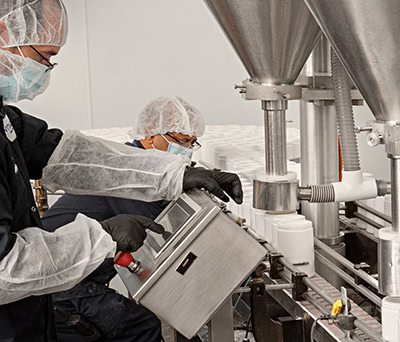
When evaluating sports supplement manufacturers, look for those that qualify raw material suppliers and verify ingredient identity, potency, blend uniformity, label accuracy, contaminant limits, and shelf-life stability through documented testing and quality systems. For sports nutrition products, evaluating banned-substance contamination risks and implementing appropriate preventive controls are also important considerations.
FDA cGMP requirements establish specifications for dietary supplement components and finished products, including identity, purity, strength, composition, and contamination limits.7921 CFR § 111.70 – What specifications must you establish? Cornell Law School.
Certifications provide additional assurance, but it’s important to understand their scope. NSF GMP certification applies to manufacturing practices at a facility, while NSF Certified for Sport® applies to specifically certified products and includes label-content verification and banned-substance screening. Before making marketing claims, confirm the certification status and scope of the relevant facility or product.80Health Science Certification Program Basics. NSF. August 1, 2023 81NSF Certified for Sport: Built for performance at the highest level. https://trust.nsf.org/nsf-certified-for-sport
Plant-Based Sports Supplements
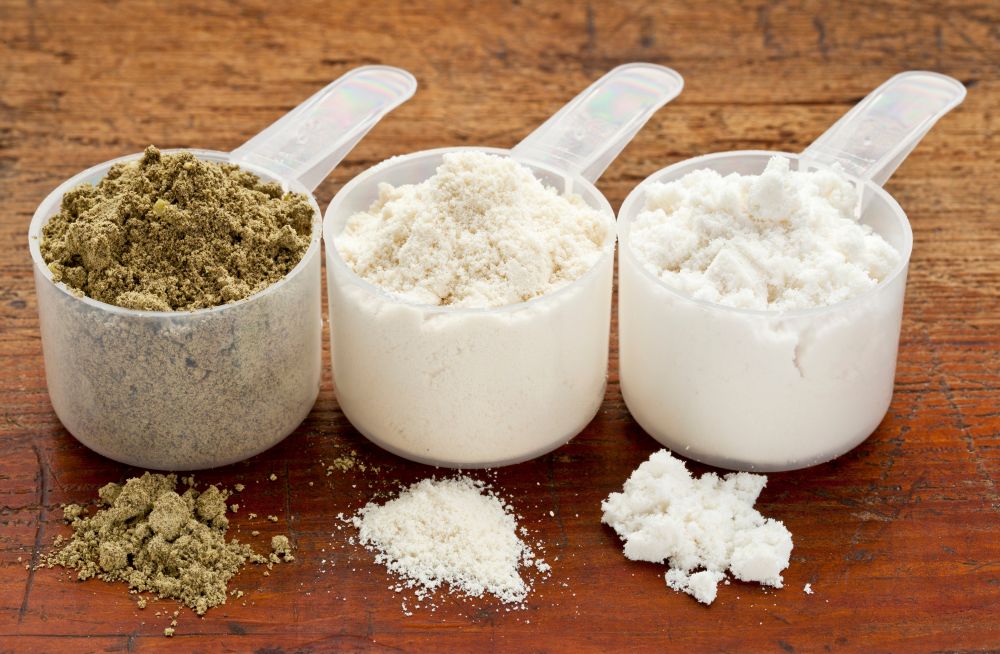
Growing interest in plant-based sports nutrition creates opportunities for alternative protein sources and blended formulations. However, successful products must balance nutritional quality, taste, texture, viscosity, and cost.
Whey protein prices and availability have faced significant pressure in 2026, encouraging brands to explore alternative ingredients and diversify their sourcing strategies.82Jiao X, Liu X, Cao Q and Deng Z. Plant-based supplements in enhancing exercise performance and recovery. Front Nutr. 2025; 12:1699642. doi: 10.3389/fnut.2025.1699642. 83Sharma K, Zhang W, Rawdkuen S. Dietary Plant-Based Protein Supplements: Sources, Processing, Nutritional Value, and Health Benefits. Foods. 2025 Sep 19;14(18):3259. doi: 10.3390/foods14183259.
For your brand, this may mean evaluating combinations of plant-based proteins or whey–plant blends, depending on your product positioning. Important considerations include essential amino acid and leucine content, digestibility, flavor, texture, and supply consistency.
Convenient Supplement Formats
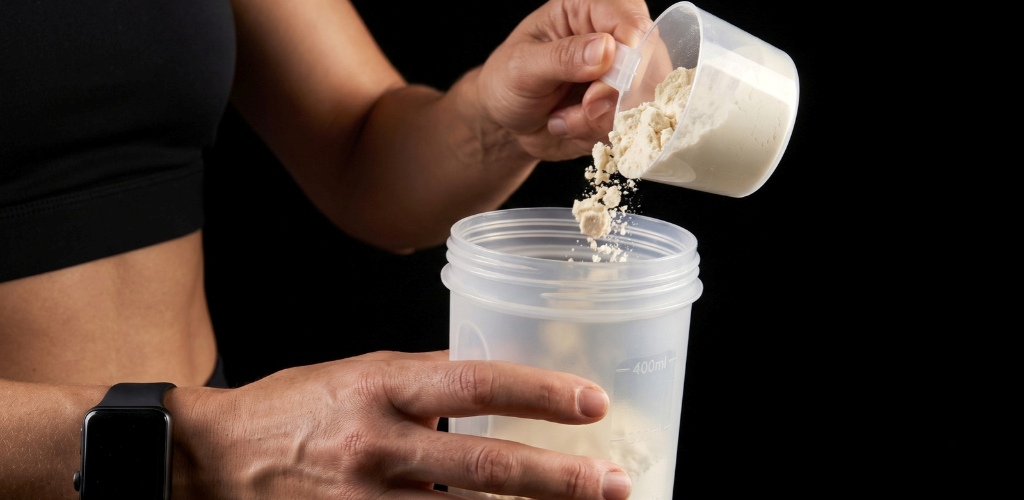
Consumers increasingly seek sports nutrition products that fit into busy daily routines, creating opportunities for convenient formats such as ready-to-mix powders, stick packs, capsules, and tablets.
An important consideration in sports supplement manufacturing is selecting a delivery format that supports appropriate ingredient doses, compatibility, mixability, and consumer acceptance. For example, amino acids and caffeine may contribute bitterness, minerals can introduce salty or metallic notes, botanicals may create astringency, and proteins can affect texture and viscosity.
Your manufacturer should carefully balance sweetness, acidity, and aftertaste through sensory testing and flavor-masking strategies to develop products that are both functional and enjoyable to consume.84Delompré T, Guichard E, Briand L, Salles C. Taste Perception of Nutrients Found in Nutritional Supplements: A Review. Nutrients. 2019 Sep 2;11(9):2050. doi: 10.3390/nu11092050. PMID: 31480669; PMCID: PMC6770818. 85Carter BG, Foegeding EA, Drake MA. Invited review: Astringency in whey protein beverages. J Dairy Sci. 2020 Jul;103(7):5793-5804. doi: 10.3168/jds.2020-18303.
Women-Focused Sports Nutrition
Women-focused sports nutrition is expanding to address the nutritional needs of active women and athletes. Key areas of interest include adequate fueling, protein intake, hydration, creatine supplementation, iron status, and bone health.
Products designed for women in midlife and beyond may emphasize maintaining strength, lean muscle mass, and musculoskeletal health, creating opportunities for your brand to develop formulations tailored to different life stages.
However, these products should be grounded in scientific evidence rather than assumptions about women’s nutritional needs. The International Olympic Committee’s consensus statement emphasizes the importance of adequate energy intake for athletic health and performance.86Mountjoy M, Ackerman KE, Bailey DM, et al. 2023 International Olympic Committee’s (IOC) consensus statement on Relative Energy Deficiency in Sport (REDs). Br J Sports Med. 2023 Sep;57(17):1073-1097. doi: 10.1136/bjsports-2023-106994.
Research also remains insufficient to support universal nutrition recommendations based on menstrual-cycle phases. Formulations should instead consider individual nutritional needs, activity levels, and intended benefits.
The Future of Sports Nutrition
Sports nutrition is expected to expand beyond traditional athletic performance and recovery to encompass hydration, cognitive wellness, sleep, occasional stress support, healthy aging, and weight management. As the category evolves, product innovation will increasingly focus on multi-benefit formulations that address a broader range of consumer needs.
For your brand, the opportunity lies in identifying which trends align with your target audience and translating them into differentiated products. Success will depend on balancing consumer demand with credible scientific evidence, expert formulation, appealing taste and texture, regulatory compliance, and reliable manufacturing.87Euromonitor International. (2025). Dietary Supplements in the US. London: Euromonitor International. September 2025. 88Sports Nutrition Market: Global Taste Experience. Innova Market Insights. https://www.innovamarketinsights.com/trends/sports-nutrition-market-global-taste-experience/.
Let Vitaquest Help You Bring Your Next Sports Nutrition Product to Market
Emerging sports nutrition trends are creating opportunities for your brand to expand beyond traditional performance products into recovery, hydration, cognitive wellness, and healthy aging. Developing successful products requires science-backed ingredients, expert formulation, appealing taste, and reliable manufacturing.
With more than 45 years of experience, Vitaquest is a sports nutrition manufacturer ready to support your next project. Call 800-526-9095 to speak with one of our knowledgeable production specialists or request a competitive nutraceutical manufacturing quote if you’ve already finalized your project requirements.
Frequently Asked Questions about 2027 Sports Nutrition Trends
What are the latest trends in sports nutrition?
The latest sports nutrition trends include personalized formulations, plant-based and blended proteins, advanced hydration products, recovery-focused ingredients such as creatine, and convenient formats like stick packs and ready-to-mix powders. The category is also expanding beyond athletic performance into cognitive wellness, stress management, sleep support, women’s health, weight management, and healthy aging, creating opportunities for science-backed, multi-benefit supplements.
How is sports nutrition expanding beyond athletic performance?
Sports nutrition is expanding beyond traditional goals such as energy, endurance, and muscle building into broader wellness areas, including recovery, hydration, cognitive wellness, stress management, sleep support, weight management, and healthy aging. This evolution is creating opportunities for brands to develop science-backed, multi-benefit formulations tailored to recreational exercisers, active adults, women, and older consumers seeking to maintain strength, mobility, and overall well-being.
What ingredients are driving sports nutrition innovation?
Key ingredients include protein, essential amino acids, creatine monohydrate, electrolytes, caffeine, L-theanine, and botanicals such as ashwagandha and Rhodiola rosea. These ingredients are being explored for applications ranging from performance and recovery to focus and occasional stress support. Collagen peptides, fiber, vitamin D, and sleep-support ingredients offer additional formulation opportunities.
What supplement formats are commonly used in sports nutrition products?
Common formats include powders, capsules, tablets, chewable tablets, effervescent tablets, and single-serve stick packs. Powders and stick packs are well suited to larger servings of protein, creatine, amino acids, and hydration ingredients. Capsules and tablets are often more practical for concentrated ingredients, vitamins, minerals, and botanical extracts, depending on the intended dose.
How can brands develop innovative sports nutrition products?
Start by identifying emerging consumer needs, such as recovery, hydration, cognitive wellness, occasional stress support, sleep, and healthy aging. Then select ingredients supported by relevant research at appropriate doses. Working with an experienced contract manufacturer can help your brand refine the formulation, optimize flavor and format, and address quality, stability, and regulatory requirements.