

























Key Takeaways
- The energy supplement market is estimated at $45.5 billion in 2025 and predicted to reach $72 billion by 2035.
- The focus/brain supplement market was $6.74 billion in 2025 and is predicted to reach $13.74 billion by 2034.
- The mood supplement market was $742.8 million in 2025 and is predicted to reach $1 billion by 2035.
- Supplements to enhance energy, focus, and mood are commonly used to promote a balanced mood, reduce occasional stress or anxiety, and enhance overall emotional stability.
- The categories of ingredients used in these products include vitamins and minerals, herbs, amino acids and related compounds, and probiotics.
The market for functional wellness products continues to show strong and sustained growth across multiple categories, creating significant opportunities for supplement brands. As consumer demand shifts toward more comprehensive solutions, supplements for energy, focus, and mood have emerged as a key area of innovation and expansion.
The energy supplement market is estimated at $45.5 billion in 2025 and projected to reach $72 billion by 2035, reflecting a compounded annual growth rate (CAGR) of 4.7%.1Energy Supplement Market (2025 – 2035). Future Market Insights. Retrieved April 14, 2026 from https://www.futuremarketinsights.com/reports/energy-supplement-market. The focus and brain health supplement category is valued at $6.74 billion in 2025 and expected to reach $13.74 billion by 2034, with a CAGR of 8%.2Brain Health Supplements Market Size. Fortune Business Insights. Retrieved April 14, 2026 from https://www.fortunebusinessinsights.com/brain-health-supplements-market-107767. The mood supplement segment reached $742.8 million in 2025 and is forecasted to approach $1 billion by 2035, growing at a CAGR of 3%.3Mood Enhancing Supplement Market (2025 – 2035). Future Market Insights. Retrieved April 14, 2026 from https://www.futuremarketinsights.com/reports/mood-enhancing-supplement-market.
Taken together, these statistics highlight a rapidly expanding category with strong potential for brands looking to develop differentiated, science-backed formulations. This article examines key ingredient categories, functional benefits, and important considerations for manufacturing dietary supplements for this category.
What Are Energy, Focus, and Mood Supplements?
Energy supplements are products formulated to enhance physical or mental performance, often by supporting metabolism, alertness, or cellular energy production. They are commonly used to help reduce fatigue and support stamina.
Focus supplements are designed to support attention, mental clarity, and cognitive performance, often using ingredients that influence neurotransmitters, blood flow, or brain energy metabolism. Many consumers turn to a natural supplement for focus and concentration to help support productivity, memory, and sustained mental performance throughout the day.
Mood supplements are formulated to support emotional well-being by influencing neurotransmitters or stress response systems. These products are commonly used to promote balanced mood, support stress management, and enhance overall emotional stability.
Key Ingredients in Energy, Focus, and Mood Supplements
Selecting the right ingredients is critical when developing an effective supplement for energy and focus, as well as for mood support. Formulation strategy should be grounded in both scientific rationale and consumer demand, with careful consideration given to efficacy, bioavailability, and compatibility between ingredients.
The primary categories of ingredients used in these formulations include vitamins and minerals, herbal extracts, amino acids and related compounds, and probiotics, each playing a distinct role in supporting physical energy, cognitive performance, and emotional well-being.
When evaluating what may be considered the best supplement for focus and concentration, it is not a single ingredient that defines effectiveness, but rather a well-designed combination that targets multiple pathways involved in mental performance. The following sections examine these key ingredient categories in greater detail.
Vitamins and Minerals for Energy, Focus, and Mood
Certain vitamins and minerals play a foundational role in supporting brain function, cellular energy production, and emotional balance. Key nutrients include B-vitamins, vitamin D, magnesium, zinc, copper, vitamin C, and coenzyme Q10. These ingredients are commonly used in formulations designed to support metabolic processes, neurotransmitter activity, and overall physiological resilience.
B-vitamins
The B-complex vitamins are essential for nervous system function4Whitney E, Rolfes S. Understanding Nutrition, Ninth Edition, Belmont, CA: Wadsworth/Thomson Learning; 2002. and play a role in helping the body manage the effects of occasional stress. Research has also shown that B vitamin supplementation may support improvements in measures such as fatigue, mood, and cognitive performance during periods of intense mental activity.5Kennedy DO, Veasey R, Watson A, Dodd F, Jones E, Maggini S, Haskell CF. Effects of high-dose B vitamin complex with vitamin C and minerals on subjective mood and performance in healthy males. Psychopharmacology (Berl). 2010 Jul;211(1):55-68. 6Schlebusch L, Bosch BA, Polglase G, Kleinschmidt I, Pillay BJ, Cassimjee MH. A double-blind, placebo-controlled, double-centre study of the effects of an oral multivitamin-mineral combination on stress. S Afr Med J. 2000 Dec;90(12):1216-23. 7Carroll D, Ring C, Suter M, Willemsen G. The effects of an oral multivitamin combination with calcium, magnesium, and zinc on psychological well-being in healthy young male volunteers: a double-blind placebo-controlled trial. Psychopharmacology (Berl). 2000 Jun;150(2):220-5. 8Scholey A, Bauer I, Neale C, et al. Acute effects of different multivitamin mineral preparations with and without Guaraná on mood, cognitive performance and functional brain activation. Nutrients. 2013 Sep 13;5(9):3589-604.
Vitamin D
Vitamin D is important for mood regulation and immune function.9Devje S. Your guide to vitamin D benefits. Healthline. May 20, 2024. Clinical research suggests that supplementation may help support mood balance, particularly in individuals with low vitamin D levels.10Eid A, Khoja S, AlGhamdi S, et al. Vitamin D supplementation ameliorates severity of generalized anxiety disorder (GAD). Metab Brain Dis. 2019;34(6):1781-1786. Seasonal declines in sunlight exposure during fall and winter months can contribute to lower vitamin D status, which may impact overall mood.11Lansdowne AT, Provost SC. Vitamin D3 enhances mood in healthy subjects during winter. Psychopharmacology (Berl). 1998 Feb;135(4):319-23. doi: 10.1007/s002130050517. PMID: 9539254.
Magnesium
Magnesium supports healthy nerve and muscle function12Wester PO. “Magnesium.” Am J Clin Nutr. 1987;45:1305-12. and is known for its role in promoting relaxation.13Raman R. What does magnesium do for your body? Healthline. July 14, 2023. Research suggests it may help support the body’s response to occasional stress14Muir KW, Lees KR. “Dose optimization of intravenous magnesium sulfate after acute stroke.” Stroke. 1998;29:918-23. and contribute to a sense of calm, as well as overall emotional balance.15Song Y et al. “Dietary magnesium intake in relation to plasma insulin levels and risk of type 2 diabetes in women.” Diabetes Care. 2004;27:59-65. 16Larsson SC, Wolk A. “Magnesium intake and risk of type-2 diabetes: a meta-analysis.” J Intern Med. 2007:262:208-14.
Zinc
Zinc is involved in a wide range of biological functions, including those related to behavior, learning, and cognitive processes.17Ranjbar E, Kasaei MS, Mohammad-Shirazi M, Nasrollahzadeh J, Rashidkhani B, Shams J, Mostafavi SA, Mohammadi MR. Effects of zinc supplementation in patients with major depression: a randomized clinical trial. Iran J Psychiatry. 2013 Jun;8(2):73-9. PMID: 24130605; PMCID: PMC3796297. Research18Sandstead HH, Penland JG, Alcock NW, Dayal HH, Chen XC, Li JS, et al. Effects of Repletion with Zinc and Other Micronutrients on Neuropsychologic Performance and Growth of Chinese Children. The American journal of clinical nutrition. 1998;68:470S–475S. doi: 10.1093/ajcn/68.2.470S. has also shown that zinc helps increase brain-derived neurotropic factor, a marker impacting the brain’s lifelong ability to reorganize its structure, functions, and neural connections in response to learning, experience, or injury.19Solati Z, Jazayeri S, Tehrani-Doost M, Mahmoodianfard S, Gohari MR. Zinc monotherapy increases serum brain-derived neurotrophic factor (BDNF) levels and decreases depressive symptoms in overweight or obese subjects: a double-blind, randomized, placebo-controlled trial. Nutr Neurosci. 2015 May;18(4):162-8. doi: 10.1179/1476830513Y.0000000105. Epub 2014 Jan 7. PMID: 24621065. Zinc supplementation has also been shown to improve mood in healthy individuals.20Sawada T, Yokoi K. Effect of zinc supplementation on mood states in young women: a pilot study. Eur J Clin Nutr. 2010; 64:331–333. https://doi.org/10.1038/ejcn.2009.158.
Copper
Copper is required for cytochrome c oxidase, an enzyme involved in mitochondrial energy (ATP) production.21Garza NM, Swaminathan AB, Maremanda KP, Zulkifli M, Gohil VM. Mitochondrial copper in human genetic disorders. Trends Endocrinol Metab. 2023 Jan;34(1):21-33. doi: 10.1016/j.tem.2022.11.001. Epub 2022 Nov 23. PMID: 36435678; PMCID: PMC9780195. 22Ruiz LM, Libedinsky A, Elorza AA. Role of Copper on Mitochondrial Function and Metabolism. Front Mol Biosci. 2021 Aug 24;8:711227. doi: 10.3389/fmolb.2021.711227. PMID: 34504870; PMCID: PMC8421569. It also serves as a cofactor for enzymes that support neurotransmitter synthesis, including dopamine and norepinephrine.23An Y, Li S, Huang X, Chen X, Shan H, Zhang M. The Role of Copper Homeostasis in Brain Disease. Int J Mol Sci. 2022 Nov 10;23(22):13850. doi: 10.3390/ijms232213850. PMID: 36430330; PMCID: PMC9698384. Adequate copper levels are important for maintaining normal neurological function and energy metabolism.
Vitamin C
Research24Beglaryan N, Hakobyan G, Nazaretyan E. Vitamin C supplementation alleviates hypercortisolemia caused by chronic stress. Stress Health. 2024 Jun;40(3):e3347. doi: 10.1002/smi.3347. Epub 2023 Nov 27. PMID: 38010274. has demonstrated that vitamin C supplementation was able to alleviate elevated cortisol (the “stress hormone”) levels caused by occasional stress and improve stress-related endocrine markers. Furthermore, vitamin C supplementation reduced physiological stress response during exercise.25Carrillo AE, Murphy RJ, Cheung SS. Vitamin C supplementation and salivary immune function following exercise-heat stress. Int J Sports Physiol Perform. 2008 Dec;3(4):516-30. doi: 10.1123/ijspp.3.4.516. PMID: 19223675. It has also been associated with improvements in overall psychological well-being in healthy adults.26Sim M, Hong S, Jung S, Kim JS, Goo YT, Chun WY, Shin DM. Vitamin C supplementation promotes mental vitality in healthy young adults: results from a cross-sectional analysis and a randomized, double-blind, placebo-controlled trial. Eur J Nutr. 2022 Feb;61(1):447-459. doi: 10.1007/s00394-021-02656-3. Epub 2021 Sep 2. PMID: 34476568; PMCID: PMC8783887.
Coenzyme Q10 (CoQ10)
Coenzyme Q10 (CoQ10) provides antioxidant protection against free radicals27Coenzyme Q10 Monograph. Altern Med Rev. 1998;3(1):58-61. and is involved in cellular energy production. It plays a role in the production of ATP, the body’s primary energy molecule.28Coenzyme Q10 Monograph. Altern Med Rev. 1998;3(1):58-61. Supplementation with CoQ10 was found to promote athletic performance and recovery,29Ylikoski T, Piirainen J, Hanninen O, Penttinen J. The effect of coenzyme Q10 on the exercise performance of cross-country skiers. Mol Aspects Med. 1997;18 Suppl:S283-90. help increase physical power during exercise,30Gökbel H, Gül I, Belviranl M, Okudan N. The effects of coenzyme Q10 supplementation on performance during repeated bouts of supramaximal exercise in sedentary men. Journal of Strength and Conditioning Research; Jan 2010; 24(1):97-102. 31Zhng A, Moritani T. Influence of CoQ10 on autonomic nervous activity and energy metabolism during exercise in healthy subjects. J Nutr Sci Vitaminol. 2008; 54:286-290. as well as help promote fat burning during exercise.32Zhng A, Moritani T. Influence of CoQ10 on autonomic nervous activity and energy metabolism during exercise in healthy subjects. J Nutr Sci Vitaminol. 2008; 54:286-290. In addition, a decline in CoQ10 levels may contribute toward a decline in cognitive function,33Coenzyme Q10 Monograph. Altern Med Rev. 1998;3(1):58-61. 34Ylikoski T, Piirainen J, Hanninen O, Penttinen J. The effect of coenzyme Q10 on the exercise performance of cross-country skiers. Mol Aspects Med. 1997;18 Suppl:S283-90. 35Gökbel H, Gül I, Belviranl M, Okudan N. The effects of coenzyme Q10 supplementation on performance during repeated bouts of supramximal exercise in sedentary men. Journal of Strength and Conditioning Research; Jan 2010; 24(1):97-102.while CoQ10 supplementation has been clinically tested to help promote healthy cognitive function in some populations.36Gökbel H, Gül I, Belviranl M, Okudan N. The effects of coenzyme Q10 supplementation on performance during repeated bouts of supramximal exercise in sedentary men. Journal of Strength and Conditioning Research; Jan 2010; 24(1):97-102.
Herbal Supplements for Mood, Energy, and Focus
A wide range of herbal ingredients has been traditionally used to support cognitive function, energy levels, and emotional well-being. Many of these botanicals are also supported by modern research for their role in helping the body adapt to stress and maintain mental performance. Commonly used herbs in these formulations include ashwagandha, rhodiola, ginseng, ginkgo, bacopa, St. John’s wort, and mucuna.
Ashwagandha
Ashwagandha is an adaptogenic herb37Provino R. The role of adaptogens in stress management. Aust J Med Herbal. 2010;22:41-9 traditionally used to support stress management and overall well-being. Modern research38Lopresti AL, Smith SJ, Malvi H, Kodgule R. An investigation into the stress-relieving and pharmacological actions of an ashwagandha (Withania somnifera) extract: A randomized, double-blind, placebo-controlled study. Medicine (Baltimore). 2019 Sep;98(37):e17186. supports these uses, with randomized controlled trials demonstrating that ashwagandha extract may help reduce measures of occasional stress and stress-related cortisol levels.
Additional clinical studies39Xing D, Yoo C, Rasmussen CJ, et al. Acute ashwagandha supplementation improves cognitive performance. JISSN. 2020 17:67 40Remenapp A, Coyle K, Orange T, et al. Effectiveness of Ashwaganda (Withania somnifera) Supplementation on Adult’s Cognition and Mood. Submitted to Journal of Ayurveda and Integrative Medicine as a short communication; 2021. suggest that supplementation may support cognitive function, including improvements in short-term memory, sustained attention, and mental endurance. These findings indicate a role for ashwagandha in supporting both physiological and psychological responses to occasional stress.
Rhodiola Rosea
Initially, the term “recall” may sound synonymous with memory. But in this context, we’re referring to short-term memory issues that aren’t necessarily related to aging and may even be stress-induced and on-the-job related. One nutraceutical that may help is Rhodiola rosea root extract. In research, Rhodiola improved the capacity for mental work during stress.41Darbinyan V, Kteyan A, Panossian A, Gabrielian E, Wikman G, Wagner H. Rhodiola rosea in stress induced fatigue–a double blind cross-over study of a standardized extract SHR-5 with a repeated low-dose regimen on the mental performance of healthy physicians during night duty. Phytomedicine. 2000 Oct;7(5):365-71. 42Spasov AA, Wikman GK, Mandrikov VB, Mironova IA, Neumoin VV. A double-blind, placebo-controlled pilot study of the stimulating and adaptogenic effect of Rhodiola rosea SHR-5 extract on the fatigue of students caused by stress during an examination period with a repeated low-dose regimen. Phytomedicine. 2000 Apr;7(2):85-9. 43Shevtsov VA, Zholus BI, Shervarly VI, Vol’skij VB, Korovin YP, Khristich MP, Roslyakova NA, Wikman G. A randomized trial of two different doses of a SHR-5 Rhodiola rosea extract versus placebo and control of capacity for mental work. Phytomedicine. 2003 Mar;10(2-3):95-105.
Ginseng
Perhaps the most well-known of all the adaptogens is Panax ginseng, which is the Latin name of the herb, generally referred to as simply Ginseng.
In Asian countries, Ginseng is considered a tonic, stimulant, and stress adaptogen. As demonstrated in animals and humans, Ginseng improves mental and physical performance and well-being in a variety of circumstances.44Bombardelli E, Cirstoni A, Lietti A. The Effect of Acute and Chronic Panax Ginseng Saponins Treatment on Adrenal Function; Biochemical and Pharmacological. Proceedings of the 3rd International Ginseng Symposium 1980:9-16. 45Forgo I, Schimert G. The duration of effect of the standardized ginseng extract G115® in healthy competitive athletes [German]. Notobene Medici 1985; 15(9):636-640. 46Forgo I. Effects of drugs on physical performance and hormone system of sportsmen. Munch Med Wschr 1983;125:822-24. 47Dorling E, Korchdorfer AM, Ruckert KH. Do ginsenosides influence the performance? Results of a double-blind study. Notabene Medici 1980; 10:241-246. 48Forgo I, Kayasseh L, Staub JJ. Einfluss eines standardisierten Ginseng-Extraktes auf das Allgemeinbefinden, die Reaktionsfähigkeit, Lungenfunktion und die gonadalen Hormone. Med Welt 1981; 32(19):751-756. 49D’Angelo L, Grimaldi R, Caravaggi M. A double blind, placebo controlled study on a standardized ginseng extract on psychomotor performance in healthy volunteers. Journal Ethnopharmacology 1986; 16:15-22.
Other current and evidence-based uses of Ginseng include, but are not limited to, learning enhancement, occasional stress reduction, reproductive system influences, promoting endocrine and metabolic activity (hormones), and fatigue management.50Presser A. Pharmacist’s Guide to Medicinal Herbs. Petaluma, California:Smart Publications; 2000. 51Kuhn MA, Winston D. Herbal Therapy & Supplements: A Scientific & Traditional Approach. Philadelphia:Lippincott; 2000. 52Mills S, Bone K. Principles and Practice of Phytotherapy: Edinburgh;Churchill Livingstone; 2000. 53Blumenthal M, Goldberg A, Brinckmann J (eds). Herbal Medicine: Expanded Commission E Monographs: Newton, Massachusetts;Integrative Medicine Communications; 2000.
Ginkgo Biloba
Ginkgo biloba is widely used to support cognitive function, particularly in aging populations experiencing mild, age-related memory changes.54Hanninen T, Koivisto K, Reinikainen KJ, Helkala EL, Soininen H, Mykkänen L, Laakso M, Riekkinen PJ. Prevalence of ageing-associated cognitive decline in an elderly population. Age Ageing. 1996 May;25(3):201-5. These changes, often referred to as age-related memory impairment or ARMI, are a common part of normal aging55Hedden T, Gabrieli JDE. Insights into the ageing mind: a view from cognitive neuroscience. Nat Rev Neurosci. 2004;5:87-96. and are distinct from more serious cognitive conditions.
Research suggests that Ginkgo biloba leaf extract may help support memory and cognitive performance, including improvements in occasional forgetfulness associated with normal aging.56Sierpina VS, Wollschlaeger B, Blumenthal M. Ginkgo biloba. American Family Physician. 2003;68(5):923-6. 57Kleijnen J, Knipschild P. Ginkgo biloba for cerebral insufficiency. Br J Clin Pharmacol. 1992;34:352-8. 58Kleijnen J, Knipschild P. Ginkgo biloba. Lancet.1992;340:1136–1139. 59Oken BS, Storzbach DM, Kaye JA. The efficacy of Ginkgo biloba on cognitive function in Alzheimer disease. Arch Neurol. 1998;55:1409-15.
Bacopa Monnieri
Have you ever heard the term “smart pill”? If so, you’ve probably already realized that just taking a supplement alone won’t make you smarter. However, it may help you in your endeavor to do so. Consider that, in research Bacopa monnieri leaf extract improved the ability to acquire and retain new memories.60Morgan A, Stevens J. Does Bacopa monnieri Improve Memory Performance in Older Persons? Results of a Randomized, Placebo-Controlled, Double-Blind Trial. J Altern Complem Med. 2010; 16(7): 753–759. 61Calabrese C, Gregory WL, Leo M, Kraemer D, Bone K, Oken B. Effects of a Standardized Bacopa monnieri Extract on Cognitive Performance, Anxiety, and Depression in the Elderly: A Randomized, Double-Blind, Placebo-Controlled Trial. J Altern Complem Med. 2008;14(6):707–713. 62Roodenrys S, Booth D, Bulzomi S, Phipps A, Micallef C, Smoker J. Chronic effects of Brahmi (Bacopa monnieri) on human memory. Neuropsychopharmacology. 2002 Aug;27(2):279-81. 63Stough C, Lloyd J, Clarke J, Downey LA, Hutchison CW, Rodgers T, Nathan PJ. The chronic effects of an extract of Bacopa monniera (Brahmi) on cognitive function in healthy human subjects. Psychopharmacology (Berl). 2001 Aug;156(4):481-4. 64Stough C, Downey LA, Lloyd J, Silber B, Redman S, Hutchison C, Wesnes K, Nathan PJ. Examining the nootropic effects of a special extract of Bacopa monniera on human cognitive functioning: 90 day double-blind placebo-controlled randomized trial. Phytother Res. 2008 Dec;22(12):1629-34. 65Raghav S, Singh H, Dalal PK, Srivastava JS, Asthana OP. Randomized controlled trial of standardized Bacopa monniera extract in age-associated memory impairment. Indian J Psychiatry. 2006 Oct-Dec; 48(4): 238–242. 66Pase MP, Kean J, Sarris J, Neale C, Scholey AB, Stough C. The cognitive-enhancing effects of Bacopa monnieri: a systematic review of randomized, controlled human clinical trials. J Altern Complement Med. 2012 Jul;18(7):647-52. In addition, Bacopa leaf extract helped enhance cognitive performance, reduce occasional forgetfulness, and support learning and memory.67Morgan A, Stevens J. Does Bacopa monnieri Improve Memory Performance in Older Persons? Results of a Randomized, Placebo-Controlled, Double-Blind Trial. J Altern Complem Med. 2010; 16(7): 753–759. 68Calabrese C, Gregory WL, Leo M, Kraemer D, Bone K, Oken B. Effects of a Standardized Bacopa monnieri Extract on Cognitive Performance, Anxiety, and Depression in the Elderly: A Randomized, Double-Blind, Placebo-Controlled Trial. J Altern Complem Med. 2008;14(6):707–713. 69Roodenrys S, Booth D, Bulzomi S, Phipps A, Micallef C, Smoker J. Chronic effects of Brahmi (Bacopa monnieri) on human memory. Neuropsychopharmacology. 2002 Aug;27(2):279-81. 70Stough C, Lloyd J, Clarke J, Downey LA, Hutchison CW, Rodgers T, Nathan PJ. The chronic effects of an extract of Bacopa monniera (Brahmi) on cognitive function in healthy human subjects. Psychopharmacology (Berl). 2001 Aug;156(4):481-4. 71Stough C, Downey LA, Lloyd J, Silber B, Redman S, Hutchison C, Wesnes K, Nathan PJ. Examining the nootropic effects of a special extract of Bacopa monniera on human cognitive functioning: 90 day double-blind placebo-controlled randomized trial. Phytother Res. 2008 Dec;22(12):1629-34.
St. John’s Wort
St. John’s wort has been extensively studied for its role in supporting emotional well-being and mood balance.72Whiskey E, Werneke U, Taylor D. A systematic review and meta-analysis of Hypericum perforatum in depression: a comprehensive clinical review. Int Clin Psychopharmacol. 2001 Sep;16(5):239-52. doi: 10.1097/00004850-200109000-00001. PMID: 11552767. 73Lakhan SE, Vieira KF. Nutritional and herbal supplements for anxiety and anxiety-related disorders: systematic review. Nutr J. 2010 Oct 7;9:42. doi: 10.1186/1475-2891-9-42. PMID: 20929532; PMCID: PMC2959081. Meta-analyses and systematic reviews of clinical research suggest that supplementation may support aspects of emotional regulation, which are important for overall stress resilience.74Canenguez Benitez JS, Hernandez TE, Sundararajan R, Sarwar S, Arriaga AJ, Khan AT, Matayoshi A, Quintanilla HA, Kochhar H, Alam M, Mago A, Hans A, Benitez GA. Advantages and Disadvantages of Using St. John’s Wort as a Treatment for Depression. Cureus. 2022 Sep 22;14(9):e29468. doi: 10.7759/cureus.29468. PMID: 36299970; PMCID: PMC9587902.
More recent research continues to explore its role in supporting mood, stress response, and broader aspects of emotional health.75Ng QX, Venkatanarayanan N, Ho CYX. Clinical use of Hypericum perforatum (St John’s wort) in depression: A meta-analysis. Journal of Affective Disorders. 2017; 210:211-221. https://doi.org/10.1016/j.jad.2016.12.048.
Mucuna
Mucuna naturally contains L-DOPA, the direct precursor to dopamine. Since L-DOPA crosses the blood–brain barrier and converts to dopamine, this indicates that Mucuna can raise brain dopamine.76Hammoud F, Ismail A, Zaher R, El Majzoub R, Abou-Abbas L. Mucuna pruriens Treatment for Parkinson Disease: A Systematic Review of Clinical Trials. Parkinsons Dis. 2025 Aug 18;2025:1319419. doi: 10.1155/padi/1319419. PMID: 40860042; PMCID: PMC12377966. A review of Mucuna research found that supplementation helped promote dopamine levels and neuroendocrine balance,77Bashev Z, Karcheva-Bahchevanska D, Ardasheva R, Ivanova S. A Comprehensive Review of the Therapeutic Potential of Mucuna Pruriens. Molecules. 2026 Mar 5;31(5):868. doi: 10.3390/molecules31050868. PMID: 41828855; PMCID: PMC12985525. which is central to motivation, mood regulation, and cognitive drive.
Lion’s Mane Mushroom Supplement Benefits
Lion’s mane is a mushroom recognized for its health-promoting properties and long history of traditional use. Increasingly, it is being formulated as a mushroom supplement for focus due to its unique bioactive compounds, including hericenones and erinacines.
Research suggests that Lion’s mane may help support cognitive function,78Saitsu Y, Nishide A, Kikushima K, Shimizu K, Ohnuki K. Improvement of cognitive functions by oral intake of Hericium erinaceus. Biomed Res. 2019;40(4):125-131. 79Mori K, Inatomi S, Ouchi K, Azumi Y, Tuchida T. Improving effects of the mushroom Yamabushitake (Hericium erinaceus) on mild cognitive impairment: a double-blind placebo-controlled clinical trial. Phytother Res. 2009 Mar;23(3):367-72. promote nerve and brain health,80Li IC, Lee LY, Tzeng TT, Chen WP, Chen YP, Shiao YJ, Chen CC. Neurohealth Properties of Hericium erinaceus Mycelia Enriched with Erinacines. Behav Neurol. 2018 May 21;2018:5802634. doi: 10.1155/2018/5802634. PMID: 29951133; PMCID: PMC5987239. and contribute to a healthy mood.81Nagano M, Shimizu K, Kondo R, Hayashi C, Sato D, Kitagawa K, Ohnuki K. Reduction of depression and anxiety by 4 weeks Hericium erinaceus intake. Biomed Res. 2010 Aug;31(4):231-7. Additional studies indicate potential benefits for supporting immune function and antioxidant activity.82Natural Health Product. Mushrooms. Health Canada. March 25, 2019: 28 pp.
Amino Acids and Related Compounds for Focus and Cognitive Performance
Amino acids and related compounds are widely used to support brain health and cognitive performance, helping individuals maintain mental clarity and productivity. Common ingredients in this category include L-theanine, 5-hydroxytryptophan (5-HTP), and creatine, each offering distinct mechanisms of action.
L-Theanine
L-theanine, an amino acid naturally found in tea leaves, is known for promoting relaxation without causing drowsiness. Placebo-controlled human studies have evaluated its effects on stress, with findings suggesting that L-theanine may help support a reduction in certain physiological markers of stress.83Kimura K, Ozeki M, Juneja LR, Ohira H. L-Theanine reduces psychological and physiological stress responses. Biol Psychol 2007;74(1):39-45 84Unno K, Tanida N, Ishii N, et al. Anti-stress effect of theanine on students during pharmacy practice: positive correlation among salivary α-amylase activity, trait anxiety and subjective stress. Pharmacol Biochem Behav. 2013 Oct;111:128-35. 85Yoto A, Motoki M, Murao S, Yokogoshi H. Effects of L-theanine or caffeine intake on changes in blood pressure under physical and psychological stresses. J Physiol Anthropol. 2012 Oct 29;31:28. 86Higashyama A, Htay HH, Ozeki M, Juneja LR, Kapoor MP. Effects of l-theanine on attention and reaction time response. Journal of Functional Foods. 2011;3(3):171–178.
Research also indicates that it may support relaxation by influencing neural activity, contributing to reduced stress-related responses, and promoting a calm yet alert mental state.
5-Hydroxytryptophan (5-HTP)
5-HTP is a precursor to serotonin, a neurotransmitter involved in mood regulation. Clinical research87Li S, Sutanto CN, Xia X, Kim JE. The Impact of 5-Hydroxytryptophan Supplementation on Cognitive Function and Mood in Singapore Older Adults: A Randomized Controlled Trial. Nutrients. 2025 Aug 27;17(17):2773. doi: 10.3390/nu17172773. PMID: 40944161; PMCID: PMC12430700. suggests that supplementation may help support serotonin levels, contributing to mood balance and cognitive performance.
Additional studies88Zamoscik V, Schmidt SNL, Bravo R, et al. Tryptophan-enriched diet or 5-hydroxytryptophan supplementation given in a randomized controlled trial impacts social cognition on a neural and behavioral level. Sci Rep, 2021; 11:21637. https://doi.org/10.1038/s41598-021-01164-y. have shown increased activity in brain regions associated with emotional processing, as well as potential support for maintaining emotional stability during periods of occasional stress.89Shaw K, Turner J, Del Mar C. Tryptophan and 5-hydroxytryptophan for depression. Cochrane Database of Systematic Reviews. 2002;(1):CD003198. DOI: 10.1002/14651858.CD003198.
Creatine
Creatine is widely recognized for its role in supporting high-intensity exercise performance and muscle strength. Beyond its physical performance benefits, research suggests that creatine may also support cognitive function and mental energy.90Kreider RB, Kalman DS, Antonio J, et al. International Society of Sports Nutrition position stand: safety and efficacy of creatine supplementation in exercise, sport, and medicine. JISSN. 2017;14:18.
Studies indicate that supplementation may contribute to improved aspects of mood and cognitive performance,91Smith-Ryan AE, Cabre HE, Eckerson JM, Candow DG. Creatine Supplementation in Women’s Health: A Lifespan Perspective. Nutrients. 2021 Mar 8;13(3):877. doi: 10.3390/nu13030877. PMID: 33800439; PMCID: PMC7998865. while also supporting brain energy metabolism. Unlike stimulant-based ingredients, creatine is not associated with effects such as jitters or sleep disruption.92Gordji-Nejad A, Matusch A, Kleedörfer S, et al. Single dose creatine improves cognitive performance and induces changes in cerebral high energy phosphates during sleep deprivation. Sci Rep. 2024; 14, 4937. https://doi.org/10.1038/s41598-024-54249-9.
Probiotics for Mood and Cognitive Health
The term “psychobiotics” is used to describe probiotics that may influence neurotransmitter activity and support the connection between gut health and brain function.93Dinan TG, Stanton C, Cryan JF. Psychobiotics: a novel class of psychotropic. Biol Psychiatry. 2013;74(10):720-726. doi:10.1016/j.biopsych.2013.05.001 These ingredients are studied for their role in the gut-brain axis, a bidirectional communication system that links the gastrointestinal tract with the central nervous system.94Appleton J. The gut-brain axis: Influence of microbiota on mood and mental health. Integr Med (Encinitas). 2018 Aug;17(4):28-32.
Research suggests that certain probiotic strains may help support stress response and emotional well-being by influencing this pathway. Clinical studies have identified specific strains, such as Lactobacillus plantarum P-8, that may support gut microbiota balance and are associated with improvements in stress-related measures in adults experiencing occasional elevated stress.95Ma T, Jin H, Kwok LY, Sun Z, Liong MT, Zhang H. Probiotic consumption relieved human stress and anxiety symptoms possibly via modulating the neuroactive potential of the gut microbiota. Neurobiol Stress. 2021;14:100294. Published 2021 Jan 12. doi:10.1016/j.ynstr.2021.100294
Key Considerations for Energy, Focus, and Mood Supplement Manufacturing
With a clear understanding of supplements for energy, focus, and mood, the next step is evaluating the key factors that drive successful product development and commercialization. Selecting the right contract development and manufacturing organization (CDMO) is a critical decision that can directly impact product quality, speed to market, and long-term brand success.
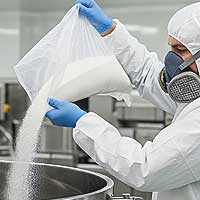
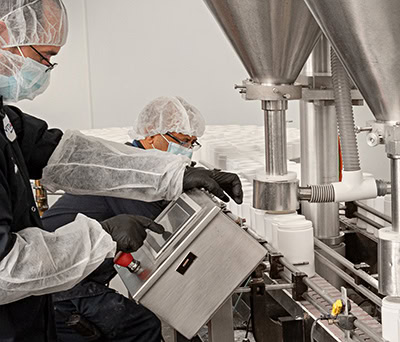
An experienced CDMO should offer comprehensive capabilities, including research and development, formulation design expertise, manufacturing, packaging design, and fulfillment services. Advanced technical capabilities, such as powder and particle engineering services using fluid bed processing, oscillation, and roller compaction technologies, are also important for optimizing product performance and scalability.
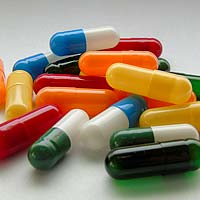
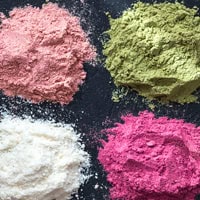
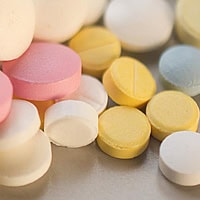
Experience matters. Working with a CDMO that brings decades of industry expertise can help navigate formulation challenges, ingredient compatibility, and evolving market demands. Whether entering the market or expanding an existing portfolio, brands should also ensure access to a wide range of dosage forms, including:
Regulatory expertise is equally important. A qualified CDMO should demonstrate strong knowledge of both domestic and international regulatory requirements, along with a commitment to sustainable manufacturing practices. FDA cGMP compliance is essential, supported by third-party certifications from organizations such as NSF, USP, or similar bodies.
Conclusion
The market for supplements for energy, focus, and mood continues to expand as consumers seek comprehensive solutions to support daily performance and well-being. This article outlined key ingredient categories, functional benefits, and critical considerations for developing successful products in this space. From vitamins and amino acids to botanicals and probiotics, formulation strategy plays a central role in product differentiation and efficacy.
As you evaluate your next product opportunity, selecting the right contract manufacturer of dietary supplements is essential. An experienced company with deep expertise in herbal supplements manufacturing, advanced processing technologies, and regulatory compliance can help bring high-quality products to market efficiently. Many brands begin their search using terms like “best supplement manufacturer USA,” but it is important to choose a partner that not only meets but also exceeds industry standards.
Vitaquest delivers on all these requirements with decades of experience and comprehensive capabilities. If you are ready to start or expand your energy, focus, and mood supplement product lineup, call 800-526-9095 to speak with one of our knowledgeable production specialists or request a competitive nutraceutical manufacturing quote if you’ve finalized your project requirements!
Frequently Asked Questions about Supplements for Energy, Focus, and Mood
How can I choose the right supplement format for my product?
Once you select your ingredients, consider their taste and smell. Some ingredients have strong or unpleasant flavors, which can affect the consumer experience. In these cases, formats like capsules or tablets are often better because they mask taste and odor. If your ingredients are more neutral, you can explore a wider range of formats, such as powders or chewable tablets.
What is the typical shelf life of energy, focus, and mood supplements?
Most dietary supplements have a shelf life of about 24 months. However, this can vary depending on the ingredients. For example, products that contain probiotics may have a shorter shelf life, typically between 12 and 18 months. The most accurate way to determine shelf life is through stability testing, which your manufacturing partner can conduct.
Are there any regulatory considerations when formulating mood-enhancing supplements?
Yes. Mood-support supplements must follow the same regulations as all dietary supplements under the Dietary Supplement Health and Education Act of 1994 (DSHEA). This includes testing ingredients for identity and safety, and manufacturing products in compliance with current Good Manufacturing Practices (cGMP).