















































Key Takeaways
- Social media platforms continue to influence consumer awareness, purchasing behavior, and emerging wellness trends across the dietary supplement industry.
- Ingredients associated with beauty-from-within, cognitive wellness, stress management, gut health, sports nutrition, healthy aging, and sleep support continue to generate strong consumer interest.
- Viral popularity alone does not guarantee long-term commercial success. Successful supplement brands typically prioritize scientific substantiation, quality manufacturing, formulation stability, and regulatory compliance.
- Translating wellness trends into successful products requires careful consideration of ingredient sourcing, manufacturability, scalability, delivery formats, and long-term market positioning.
Social media platforms such as Instagram, TikTok, and YouTube have become major drivers of consumer awareness and purchasing behavior within the dietary supplement industry. Influencers, fitness personalities, wellness creators, and healthcare content producers now play a major role in shaping consumer interest and accelerating product demand.
Many of the supplements trending on social media are associated with beauty-from-within, stress management, sports performance, gut health, cognitive support, sleep support, inflammation management, antioxidants, and immune health. Viral videos, product reviews, personal testimonials, and short-form educational content can rapidly increase visibility for specific ingredients and supplement formats, particularly among younger and digitally engaged consumers.
Compared to traditional advertising channels, social media can dramatically accelerate the growth of emerging supplement categories, especially when products are supported by scientific substantiation and strong consumer appeal. At the same time, the speed and reach of social platforms can also contribute to the spread of exaggerated claims, misinformation, or products lacking appropriate quality standards and clinical support.
In today’s competitive supplement market, long-term brand credibility depends on more than just social media visibility alone. Brands that succeed in the long term are those that combine effective digital marketing strategies with science-backed formulations, transparent labeling practices, quality manufacturing standards, and consumer trust.
In this article, we will explore some of the top supplements trending on social media in 2026, the consumer behaviors driving demand, and the factors that supplement brands should consider when developing products for rapidly evolving digital wellness trends.
Top Trending Supplements on Social Media
Several supplement categories continue to generate strong consumer engagement across social media and digital wellness communities. Many of these ingredients are associated with broader trends related to beauty-from-within, cognitive wellness, sports nutrition, gut health, stress management, healthy aging, and overall wellness.
Some of the top trending dietary supplements on social media in 2026 include:
- Creatine
- Collagen
- Ashwagandha
- Colostrum
- Probiotics and Prebiotics
- Glutathione
- Nootropics
- Turmeric
- Biotin
- Melatonin
These 10 trending ingredients are influencing product innovation, marketing strategies, delivery format development, and consumer purchasing behavior across multiple supplement categories.
Creatine
Creatine has expanded far beyond its traditional association with gym culture and muscle-building products. Recent trends for women’s creatine show growing interest among female consumers, active lifestyle audiences, and individuals focused on cognitive wellness and healthy aging.
Social media platforms such as TikTok, Instagram, YouTube, and wellness podcasts have helped increase awareness surrounding creatine’s broader wellness applications. Much of this discussion focuses on exercise performance, recovery support, energy metabolism, and growing interest in cognitive health and mental clarity.
Creatine may help support normal muscle energy metabolism and physical performance during high-intensity exercise. As consumer education continues to evolve, many brands are also positioning creatine within categories related to active aging, daily wellness routines, and performance-focused nutrition.
Among the available ingredient forms, creatine monohydrate remains the most extensively researched and scientifically supported option for safety, stability, and efficacy. For supplement brands, continued consumer demand and expanding market demographics are helping position creatine as one of the most versatile ingredients in the modern wellness marketplace.

Collagen
Collagen continues to be one of the most discussed ingredients within the beauty-from-within category, particularly among consumers focused on skincare, healthy aging, and overall wellness.
Influencer marketing, wellness creators, beauty routines, and lifestyle-focused digital content have all contributed to collagen’s continued popularity. Consumer interest has expanded beyond traditional beauty applications, with many people incorporating collagen into broader wellness regimens centered around daily self-care and active aging.
Consumers are increasingly drawn to collagen for its potential to support skin hydration, skin elasticity, joint comfort, and connective tissue health. As awareness surrounding wellness and healthy aging continues to grow, collagen supplementation remains a highly visible category across multiple consumer demographics.
Collagen’s versatility across delivery formats – including powders, capsules, gummies, ready-to-drink beverages, and functional foods – has also helped broaden its market appeal. For supplement brands, collagen continues to present opportunities for product innovation, flavor expansion, premium positioning, and beauty-focused brand development.
Ashwagandha
Ashwagandha has become one of the most recognized adaptogenic ingredients in the wellness marketplace, driven by increasing consumer interest in stress management, mental wellness, relaxation support, and fitness performance.
Wellness creators, fitness influencers, and digital health discussions have helped increase awareness surrounding ashwagandha’s role in daily wellness routines. Consumer demand continues to grow among individuals seeking supplements that align with busy lifestyles, mindfulness practices, workout recovery, and overall balance and well-being.
Ashwagandha is commonly featured in products positioned for relaxation support, focus, mood balance, and mental clarity. Standardized ingredient forms such as KSM-66, Sensoril, Shoden, NooGandha, and Ashwa-30 have gained substantial industry attention due to their associated clinical research and branded ingredient recognition.
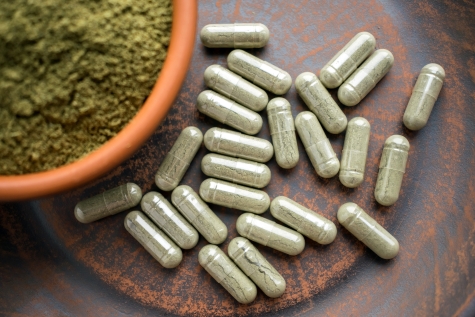
Delivery format innovation has also contributed to ashwagandha’s continued growth across the supplement industry. Capsules, gummies, powders, stick packs, beverages, and functional wellness products have helped broaden consumer accessibility and market appeal.
For supplement brands, ashwagandha remains a highly versatile ingredient with opportunities across stress support, cognitive wellness, sports nutrition, healthy aging, and lifestyle-focused supplement categories.
Colostrum
Bovine colostrum has rapidly emerged as one of the fastest-growing ingredients in the wellness marketplace, driven by rising consumer interest in immune health, gut health, recovery, and foundational wellness.
Much of colostrum’s momentum has been fueled by wellness influencers, fitness communities, and health-focused digital content that position the ingredient as part of comprehensive daily wellness routines. Its multifunctional positioning has helped expand its appeal across active lifestyle, sports nutrition, healthy aging, and digestive wellness categories.
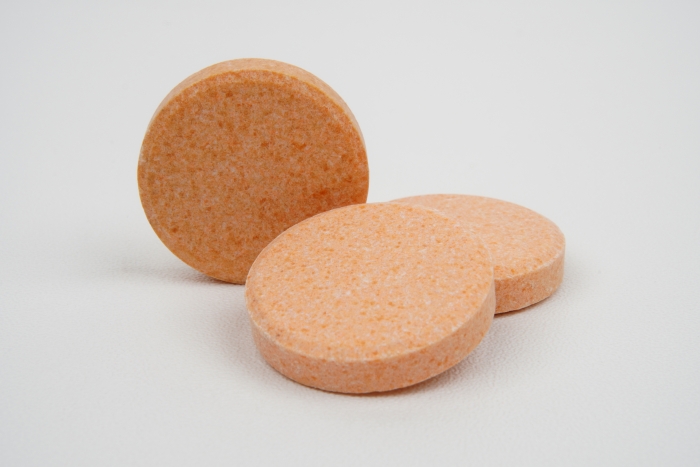
Colostrum is commonly formulated as powders and capsules, although brands are also exploring chewable tablets, functional beverages, stick packs, gummies, and other convenient delivery systems to increase consumer accessibility and product differentiation.
For supplement brands, colostrum represents a growing opportunity within the broader trend toward multifunctional wellness ingredients that support immunity, digestion, recovery, and everyday wellness in a single product.
Probiotics &Prebiotics
Gut health has become one of the most influential trends within the modern wellness marketplace, with probiotics and prebiotics frequently discussed in relation to digestion, microbiome balance, immune health, and overall well-being.
Health-focused content creators, wellness podcasts, and nutrition discussions have helped increase consumer awareness surrounding microbiome-focused supplements and functional foods. As consumer education continues to expand, many individuals are seeking more comprehensive approaches to digestive wellness and daily foundational health support.
For supplement brands, probiotic formulation presents several important manufacturing and product development considerations. Selecting clinically studied strains, maintaining probiotic stability throughout manufacturing and shelf life, and ensuring accurate colony-forming unit (CFU) counts through expiration all remain critical quality factors.
At the same time, synbiotic formulations that combine probiotics with prebiotics continue to gain popularity as brands look to deliver more comprehensive digestive and microbiome support solutions across capsules, powders, gummies, beverages, and functional nutrition products. Some newer synbiotic formulations also include postbiotics, which are defined as beneficial probiotic metabolites such as short-chain fatty acids and immune factors.
Glutathione
Glutathione has become increasingly popular within beauty-from-within and antioxidant-focused supplement categories, particularly among consumers interested in skincare and appearance-oriented wellness products.
For supplement brands, glutathione formulation can present several technical challenges because the ingredient is sensitive to oxidation and degradation. Maintaining ingredient stability throughout manufacturing, packaging, and shelf life remains an important consideration during product development. The reduced form of glutathione (as opposed to the oxidized form) has become the preferred commercial form due to its greater stability, higher antioxidant potential, and formulation compatibility. Delayed-release capsules and enteric-coated tablets are also widely used because they help protect ingredient integrity while providing convenient and consistent consumer dosing. Some branded forms of glutathione have been designed to resist premature breakdown in the body, making them suitable for powder formulations.
To help ensure that the proper dosage form is used, many brands choose an experienced supplement contract manufacturer with a strong track record in formulation development, ingredient stability management, and commercial-scale production.
Nootropics
Nootropics have become a rapidly expanding category within the wellness marketplace, particularly among students, remote professionals, gamers, entrepreneurs, and consumers seeking support for focus, concentration, mental clarity, alertness, and everyday cognitive performance. Growing interest in “brain optimization” and productivity support has also increased demand for multifunctional nootropic blends that combine several complementary ingredients within a single formulation.
Common nootropic ingredients include caffeine, L-theanine, lion’s mane mushroom, citicoline, Bacopa monnieri, and adaptogens such as Rhodiola rosea. Many formulations are designed to support memory, focus, cognitive wellness, and sustain mental energy throughout the day.
For supplement brands, nootropic formulations present opportunities for innovation across capsules, tablets, powders, beverages, gummies, stick packs, and functional wellness products. As consumer interest in cognitive wellness continues to expand, the nootropic category remains an important area for product development and market differentiation.
Turmeric (Curcumin)
As consumer awareness has expanded, interest has also grown surrounding curcumin, turmeric’s primary active compound, and the challenges associated with its bioavailability. Curcumin is not easily absorbed by the body, so supplement brands have increasingly focused on formulation strategies designed to improve ingredient absorption and effectiveness.
This has led to the development of various turmeric delivery technologies, including phospholipid complexes, nanoparticle formulations, molecular inclusion complexes, and curcumin extracts bio-enhanced with black pepper-derived piperine. These innovations have helped to position turmeric as a highly active area for formulation advancement and product differentiation within the supplement industry.
For supplement brands, turmeric continues to offer opportunities across capsules, tablets, gummies, powders, functional beverages, and active lifestyle formulations targeting mobility, recovery, and healthy aging support.
Biotin
Biotin remains one of the most recognized ingredients within beauty-focused supplement categories, particularly in products positioned for hair, skin, and nail wellness.
Although research supporting oral biotin supplementation for hair health remains limited, the ingredient continues to maintain strong consumer recognition due to its long-standing association with beauty and personal care products. Some research does support biotin’s role in nail health, which has helped sustain its popularity within beauty-focused formulations.
Biotin is commonly combined with ingredients such as collagen, keratin, vitamins, and minerals in multi-ingredient beauty supplements designed to support comprehensive beauty and wellness positioning.
Capsules and tablets remain among the most widely used delivery formats due to their convenience, stability, and ability to provide consistent dosing. For supplement brands, biotin continues to maintain strong market visibility within the broader beauty and personal wellness category.
Melatonin
The sleep wellness category has experienced substantial growth as consumers increasingly prioritize relaxation, recovery, and healthy sleep routines.
Growing discussions surrounding sleep quality, nighttime routines, and burnout have helped make melatonin one of the most widely recognized ingredients within sleep-focused supplement categories. Melatonin may help support healthy sleep cycles and is commonly used by individuals experiencing occasional sleeplessness or disrupted sleep patterns.
Its widespread availability in oral disintegrating tablets, capsules, gummies, powders, and beverage formats has contributed to melatonin’s continued popularity across multiple consumer demographics. Interest has also grown in plant-based phytomelatonin sources as consumers increasingly seek naturally positioned alternatives to synthetic ingredients.
Consumers are also showing increased interest in combination formulations that pair melatonin with calming botanicals, adaptogens, magnesium, and other relaxation-focused ingredients designed to support comprehensive nighttime wellness routines.
Why Social Media Trends Are a Signal, Not a Strategy
Trending supplements on social media can serve as valuable indicators of shifting consumer interests and emerging wellness categories. Many of the ingredients covered throughout this article have experienced rapid growth in visibility due to influencer marketing, wellness content, short-form videos, and increased consumer engagement across digital platforms.
While social media visibility can help supplement brands in identifying fast-growing market opportunities, viral popularity does not always translate into long-term commercial success or sustainable consumer demand. Online trends can shift rapidly, making it risky for brands to base major product development or business decisions solely on temporary digital momentum.
Successful supplement companies typically prioritize scientific research, clinically supported ingredients, regulatory compliance, and high-quality manufacturing standards when building long-term product strategies. A strong emphasis on efficacy, safety, ingredient transparency, and quality assurance can help brands build consumer trust and develop products with lasting market relevance beyond short-term online trends.
Translating Social Trends into Manufacturable Products
Supplement brand owners should approach social media trends as opportunities for strategic evaluation rather than immediate product launches. While fast-moving trends can reveal emerging consumer interests, translating those trends into successful products requires careful attention to ingredient sourcing, formulation stability, manufacturability, regulatory compliance, and commercial scalability.
Brands should prioritize high-quality, traceable ingredients supported by scientific research while ensuring finished products can meet stability expectations, label claim requirements, and quality standards throughout shelf life and production.
Successful commercialization also requires evaluating ingredient compatibility, dosage formats, production feasibility, testing requirements, and long-term supply chain considerations. Brands that balance consumer trends with scientific validation, quality manufacturing, and responsible product development are often better positioned for long-term market success.
Wrapping Up the Discussion on Trending Dietary Supplements on Social Media
Trending dietary supplements on social media continue to shape consumer awareness, purchasing behavior, and product innovation across the wellness marketplace. From collagen and creatine to probiotics, nootropics, and colostrum, rapidly evolving digital wellness trends can help supplement brands identify emerging market opportunities and shifting consumer priorities.
However, long-term success requires more than online visibility alone. Brands that prioritize scientific research, ingredient quality, formulation stability, regulatory compliance, and responsible product development are often better positioned to build lasting consumer trust and sustainable market growth.
With more than 45 years of experience supporting supplement brands across a wide range of product categories and delivery formats, Vitaquest helps dietary supplement brand owners navigate formulation, manufacturing, scalability, and commercialization challenges while bringing innovative wellness products to market with confidence.
If you’re ready to “Deliver What’s Next” and develop one of the supplements trending on social media discussed throughout this article, call 800-526-9095 to speak with one of our knowledgeable production specialists or request a competitive nutraceutical manufacturing price quote once your project requirements have been finalized.
Frequently Asked Questions (FAQs) about Trending Supplements on Social Media
What are some emerging dietary supplements that might trend on social media in the future?
Emerging supplement trends often reflect growing consumer interest in beauty-from-within, stress management, cognitive wellness, sports nutrition, gut health, healthy aging, and sleep support. Ingredients currently generating strong attention include collagen, creatine, ashwagandha, probiotics and prebiotics, nootropics, glutathione, turmeric, colostrum, and melatonin.
How important is social proof when marketing supplements on social media?
Social proof plays an important role in supplement marketing because consumers increasingly seek evidence supporting product quality and effectiveness. In addition to customer reviews and influencer recommendations, many consumers also look for clinically studied ingredients, transparent labeling, responsible claims, and science-backed formulations before making purchasing decisions.