



























Key Takeaways
- Learn what organic certification really means and how it differs from a marketing claim, including the USDA standards that govern certified organic dietary supplements.
- Understand the differences between “100% Organic,” “Organic,” and “Made with Organic Ingredients” so you can make accurate labeling decisions and avoid costly compliance mistakes.
- Discover how organic certification can strengthen your brand by improving consumer trust, supporting premium positioning, and differentiating your products in a competitive marketplace.
- Learn how an experienced contract manufacturer can simplify the certification process by helping you navigate ingredient sourcing, documentation, manufacturing requirements, and ongoing organic compliance.
As demand for clean-label products continues to grow, many consumers and even some supplement brand owners remain uncertain about the organic certification meaning in supplements. Organic certification is much more than a marketing claim. It is a regulated process that verifies compliance with strict standards for ingredient sourcing, manufacturing, handling, and labeling, rather than simply confirming that a product contains organic ingredients.
Whether you’re launching a new supplement brand or expanding an existing product line with certified organic supplements, understanding the certification process can help you make informed formulation design, product development, and labeling decisions while strengthening consumer trust.
This article explains how organic certification for dietary supplements works, the differences between “100% Organic,” “Organic,” and “Made with Organic Ingredients” claims, who regulates and certifies organic supplements, why certification matters for supplement brand owners, common misconceptions, and how an experienced supplement contract manufacturer can help support organic compliance.
What Is Organic Certification for Supplements?
Organic certification for supplements is a regulated verification process that confirms a product meets established organic standards, such as those set by the United States Department of Agriculture (USDA) National Organic Program (NOP). Certification applies throughout the entire supply chain, including ingredient sourcing, processing, manufacturing, handling, packaging, storage, and recordkeeping.
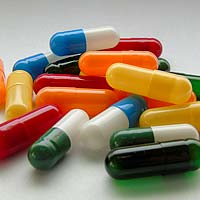
For supplement formats such as capsules, tablets, powders, softgels, gummies, and liquids, certification is based on the organic status of individual ingredients and compliance with organic production requirements, not simply claims made about the finished product.
Manufacturers must also prevent commingling with most non-organic materials, maintain complete traceability throughout production, and document compliance at every stage to qualify for organic certification.1https://www.ecfr.gov/current/title-7/subtitle-B/chapter-I/subchapter-M/part-205 2https://www.ecfr.gov/current/title-7/subtitle-B/chapter-I/subchapter-M/part-205/section-205.103
How Organic Certification Works for Supplements
Obtaining organic certification involves more than sourcing organic ingredients. It requires documenting compliance throughout the supply chain, verifying ingredient eligibility, meeting manufacturing requirements, and completing an audit by an accredited certifying agency.
The following sections provide an overview of the organic certification process for dietary supplements, from application and ingredient verification to facility inspection and final approval.
The Certification Process for Manufacturers
Achieving organic supplement certification requires manufacturers to source certified organic ingredients, develop an Organic System Plan (OSP), maintain detailed records, undergo facility inspections, and renew certification annually.
Throughout the process, manufacturers must maintain complete traceability across ingredient sourcing, manufacturing, packaging, storage, and distribution to verify product integrity. USDA-accredited third-party certifying agencies conduct inspections, review documentation, and perform compliance audits to confirm ongoing compliance with National Organic Program requirements.3https://www.ecfr.gov/current/title-7/subtitle-B/chapter-I/subchapter-M/part-205/section-205.201 4https://www.ecfr.gov/current/title-7/subtitle-B/chapter-I/subchapter-M/part-205/section-205.403
Organic Standards Behind the Certification
USDA-certified organic supplements must comply with the standards established by the USDA National Organic Program (NOP), which govern the production, handling, and processing of organically produced agricultural ingredients used in dietary supplements. Organic certification verifies compliance with these standards, but it does not evaluate a product’s clinical effectiveness or health benefits.
To qualify for organic certification, farmland generally must be free of prohibited substances for at least 36 months before harvested crops can be certified organic. These requirements help preserve the integrity, traceability, and authenticity of organic ingredients throughout the supply chain. (See USDA National Organic Program; 7 CFR Part 205.)5https://www.ecfr.gov/current/title-7/subtitle-B/chapter-I/subchapter-M/part-205/subpart-G

Eligibility Requirements for Organic Supplements
Not all products that contain organic ingredients qualify to make the same organic claims. Under USDA National Organic Program standards:
- “100% Organic” products must contain only certified organic ingredients, excluding water and salt.
- “Organic” products must contain at least 95% certified organic ingredients.
- “Made with Organic Ingredients” products must contain at least 70% certified organic ingredients.
In addition, any non-agricultural ingredients and processing aids must comply with the National List of Allowed and Prohibited Substances.
Before making organic claims, manufacturers must implement an Organic System Plan, verify supplier certifications, maintain complete traceability records, and document ingredient sourcing and handling practices to demonstrate ongoing compliance.6https://www.ams.usda.gov/rules-regulations/organic/labeling
Understanding the Organic Labels: 100% Organic vs Organic vs Made with Organic
Not all organic claims carry the same meaning. The USDA National Organic Program recognizes four labeling categories, each with its own requirements for organic ingredient content and use of the USDA Organic seal.
| Label Claim | Requirements | USDA Organic Seal |
| 100% Organic | Contains only certified organic ingredients, excluding water and salt | Yes |
| Organic | Contains at least 95% certified organic ingredients | Yes |
| Made with Organic Ingredients | Contains at least 70% certified organic ingredients and may identify up to three organic ingredients or ingredient categories | No |
| Less than 70% Organic Ingredients | May identify certified organic ingredients in the ingredient statement or information panel only; they may not be identified on the principal display panel | No |
Understanding these distinctions is important because an organic claim does not necessarily mean every ingredient in a product is organic.7https://www.usda.gov/topics/organic Knowing how each category is defined can help you make accurate labeling claims, maintain regulatory compliance, and set appropriate expectations for consumers.
Who Regulates and Certifies Organic Supplements?
Organic certification is a collaborative process involving both government oversight and independent third-party certifying agencies.8https://www.ams.usda.gov/about-ams/programs-offices/national-organic-program Understanding the role each organization plays can help you navigate the certification process, select a qualified manufacturing partner, and ensure your products meet applicable organic requirements.
The following section provides an overview of the primary organizations responsible for regulating and certifying organic dietary supplements in the United States.
USDA: Establishing Organic Standards
The USDA, through its National Organic Program (NOP), establishes and oversees the federal standards for producing, handling, certifying, and labeling organic products in the United States.
Although the USDA develops regulations, accredits certifying agencies, and enforces compliance, it does not directly certify manufacturers or products. Instead, USDA-accredited third-party certifying agencies evaluate manufacturers, facilities, and processes to verify compliance before organic claims can be used on product labels.9https://www.ams.usda.gov/rules-regulations/organic/handbook
USDA-Accredited Certifying Agencies: Conducting Inspections and Issuing Certifications
USDA-accredited certifying agencies are responsible for evaluating manufacturers through on-site inspections, documentation reviews, traceability assessments, and compliance audits to verify compliance with National Organic Program requirements.
While the USDA accredits dozens of organizations, the agencies below are among the most recognized within the dietary supplement and food industries.10https://www.ams.usda.gov/services/organic-certification 11https://www.ecfr.gov/current/title-7/subtitle-B/chapter-I/subchapter-M/part-205/subpart-F
| Organization | Primary Role | Commonly Certifies |
| CCOF | USDA-accredited organic certifier | Agricultural products and supplements |
| Oregon Tilth | Organic certification and compliance | Food, supplements, and ingredients |
| Quality Assurance International (QAI) | Global organic certification | Dietary supplements, food, and personal care |
| MOSA | USDA-accredited certification | Farms, processors, and supplement ingredients |
Why Organic Certification Matters for Supplement Brand Owners
Organic certification can help your products stand out in a competitive marketplace by providing independent verification that they meet established organic standards. Beyond supporting regulatory compliance, certification demonstrates a commitment to ingredient transparency, responsible sourcing, and consistent manufacturing practices.
For supplement brand owners, organic certification can also strengthen consumer trust, support premium brand positioning, and improve credibility with retailers and distribution partners. As more consumers look for recognizable certification seals when evaluating products, earning organic certification can be a meaningful competitive advantage and reinforce confidence in your brand.
Common Misconceptions About Organic Supplements
Understanding what organic certification does and does not mean can help supplement brand owners communicate product claims accurately and avoid creating unrealistic consumer expectations.
Organic certification verifies compliance with organic production and handling standards, but it does not guarantee superior nutritional value, clinical effectiveness, or therapeutic benefit. Likewise, the terms “organic,” “natural,” “clean label,” and “non-GMO” are not interchangeable. Each is governed by different standards, although certified organic ingredients are also non-GMO.
It’s also important to understand that products carrying an organic claim may still contain certain permitted non-organic ingredients, depending on the certification category. Similarly, not every product labeled “organic” qualifies to display the USDA Organic seal, since eligibility depends on meeting specific organic content thresholds established by the National Organic Program.
Role of Supplement Manufacturing Partners in Organic Compliance
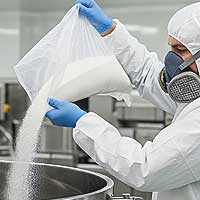
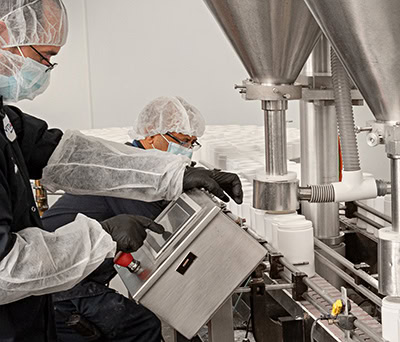
Navigating organic certification can be challenging, especially for new supplement brands or companies expanding into certified organic products. An experienced contract development and manufacturing organization can simplify the process by helping you source certified organic ingredients, maintain traceability, and implement manufacturing practices that support organic compliance from start to finish.
In addition to maintaining detailed production records and preventing commingling with non-organic materials, experienced manufacturers develop key documentation, such as Organic System Plans and supplier verification records, and prepare their facilities for third-party certification audits.
While USDA-accredited certifying agencies are solely responsible for granting and renewing organic certification, choosing the right manufacturing company can reduce compliance risks, streamline the certification process, and help position your products for long-term success.12https://www.ams.usda.gov/services/organic-certification/becoming-certified
Key Takeaways for Supplement Brand Owners
Understanding the meaning of organic certification in supplements can help you make more informed decisions about product development, ingredient sourcing, labeling, and manufacturing.
Organic certification is more than a marketing claim. It is a regulated system that verifies compliance with established standards for organic production, handling, traceability, and labeling, helping brands build consumer trust and differentiate their products in a competitive marketplace.
If you’re evaluating organic supplement manufacturers, choose a partner with the experience, quality systems, and regulatory expertise needed to support your certification goals. Not every nutraceutical products manufacturer has the capabilities required to produce USDA-certified organic supplements or other certified organic supplements.
Vitaquest helps brands develop and manufacture leading USDA-certified organic supplements while providing the regulatory expertise and quality systems needed to navigate the certification process with confidence.
Ready to launch your next organic supplement or expand your existing product line? Contact Vitaquest today by calling 800-526-9095 to speak with one of our knowledgeable production specialists or request a competitive nutraceutical manufacturing quote to learn how we can help you Deliver What’s Next!
Frequently Asked Questions about Organic Certification for Supplements
Can supplements be certified organic?
Yes. Dietary supplements can be certified organic if they comply with USDA National Organic Program standards. This includes using certified organic ingredients, following approved manufacturing and handling practices, maintaining required documentation, and completing third-party certification through a USDA-accredited certifying agency.
Is organic certification worth it?
For many supplement brands, organic certification is a worthwhile investment. It demonstrates compliance with recognized organic standards, strengthens consumer trust, supports premium brand positioning, and helps differentiate products in an increasingly competitive marketplace.
Do organic-certified supplements require separate manufacturing facilities?
No. Organic-certified supplements do not require separate manufacturing facilities. However, manufacturers must implement documented controls to prevent commingling with non-organic materials, maintain product traceability, follow sanitation procedures, and comply with all applicable National Organic Program requirements.
What happens if a supplement fails an organic certification audit?
If a supplement fails an organic certification audit, the certifying agency may require corrective actions before certification can be granted or renewed. Depending on the findings, organic certification may be suspended or denied until the manufacturer demonstrates compliance with National Organic Program requirements.
Does certified organic mean 100% organic?
No. Certified organic does not always mean a product is 100% organic. Products labeled “Organic” must contain at least 95% certified organic ingredients, while products carrying a “Made with Organic Ingredients” label must contain at least 70%. Only products labeled “100% Organic” contain exclusively certified organic ingredients, excluding water and salt.
Can a supplement be labeled organic if only some ingredients are certified?
Yes. USDA regulations allow certain organic labeling claims based on the percentage of certified organic ingredients in a product. Products that do not meet the required thresholds may still identify certified organic ingredients individually within the ingredient statement but cannot make broader organic labeling claims.