





























Key Takeaways
- Nutricosmetics are becoming a meaningful growth opportunity for supplement brands. The global market is projected to reach $15.98 billion by 2034 as consumers increasingly connect beauty, health, and overall wellness.
- Ingredient selection can make or break your beauty-from-within concept. Collagen peptides, hyaluronic acid, antioxidants, spermidine, biotin, keratin, and other ingredients offer different potential benefits for skin, hair, and nail health, making research and formulation strategy critical.
- Your delivery format should follow your formulation, not the other way around. Capsules, tablets, and powders each offer distinct advantages, and factors such as ingredient load, serving size, stability, and consumer preferences should guide your decision.
- Multi-ingredient formulas can help brands create more differentiated products. Combining ingredients with complementary mechanisms or benefits can support a broader beauty-from-within positioning, especially when the formulation is backed by appropriate research and a clear product rationale.
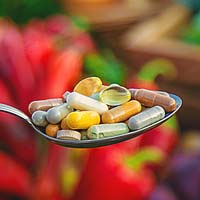
Often described as “beauty from within,” nutricosmetics are dietary supplements formulated to support hair, skin, and nail health through targeted nutraceutical ingredients. As beauty and wellness increasingly converge, more consumers are asking, “What are nutricosmetics?” and exploring holistic approaches to healthy aging and appearance.
Consumer demand for these products continues to rise, with market analyses projecting strong growth for the global nutricosmetics sector.1Nutricosmetics Market Size, Share & Industry Analysis, By Form (Tablets, Capsules, Powder, and Others), By Application (Skin, Hair and Nail), By Distribution Channel (Supermarkets/Hypermarkets, Drug Stores, Specialty Stores, Online Stores, and Others), and Regional Forecast, 2026-2034. Retrieved June 14, 2026 from https://www.fortunebusinessinsights.com/industry-reports/nutricosmetics-market-101628. 2Unlocking the growth potential of nutricosmetics. Seppic. January 1, 2025. Retrieved June 14, 2026 from https://www.seppic.com/en-US/article/Unlocking-the-growth-potential-of-nutricosmetics.
This blog article will discuss key ingredients commonly used in nutricosmetics, popular nutricosmetic supplement formats, multi-ingredient formulations, and trends driving the nutricosmetics market.
What Are Nutricosmetics?
Nutricosmetics are ingestible products formulated with nutraceutical ingredients such as collagen peptides, antioxidants, vitamins, and botanicals to support beauty-from-within. Unlike topical products that act on the skin’s surface, nutricosmetics provide nutrients that may help nutritionally support and promote hair, skin, and nail health.
The concept is based on research suggesting that these nutraceuticals may influence physiological processes involved in maintaining a healthy appearance and normal skin structure.
How Nutricosmetic Supplements Work
A nutricosmetic supplement is formulated to provide targeted nutrients that support the normal structure and function of hair, skin, and nails. These ingredients can provide the nutritional building blocks involved in maintaining healthy skin structure, normal hair growth cycles, and nail integrity. After ingestion, they are absorbed through the digestive tract and distributed throughout the body, where they can participate in normal physiological processes.
When communicating product benefits, it is important to use appropriate structure-function language and avoid making medical or disease-related claims.
Ingredient form, dosage, and overall formulation can also influence bioavailability, or how effectively nutrients are absorbed and utilized. These products are typically available in a range of delivery formats, including tablets, capsules, gummies, powders, and functional beverages, giving consumers options that align with their preferences and lifestyles.
Key Ingredients Commonly Used in Nutricosmetics
A variety of nutricosmetic ingredients are commonly used to support normal body functions associated with skin, hair, and nail health. These include collagen peptides, hyaluronic acid, antioxidants, spermidine, biotin, and keratin.
Collagen Peptides
Beauty from within is a key trend driving the use of collagen peptides. Human clinical research has shown that supplementation with bovine-derived collagen peptides,3Proksch E, Schunck M, Zague V, Segger D, Degwert J, Oesser S. Oral intake of specific bioactive collagen peptides reduces skin wrinkles and increases dermal matrix synthesis. Skin Pharmacol Physiol. 2014;27(3):113-9. 4Proksch E, Segger D, Degwert J, Schunck M, Zague V, Oesser S. Oral supplementation of specific collagen peptides has beneficial effects on human skin physiology: a double-blind, placebo-controlled study. Skin Pharmacol Physiol. 2014;27(1):47-55. 5Hexsel D, Zague V, Schunck M, Siega C, Camozzato FO, Oesser S. Oral supplementation with specific bioactive collagen peptides improves nail growth and reduces symptoms of brittle nails. J Cosmet Dermatol. 2017 Dec;16(4):520-526. doi: 10.1111/jocd.12393. Epub 2017 Aug 8. PMID: 28786550. collagen extract from chicken sternal cartilage,6Schwartz SR, Park J. Ingestion of BioCell Collagen(®), a novel hydrolyzed chicken sternal cartilage extract; enhanced blood microcirculation and reduced facial aging signs. Clin Interv Aging. 2012;7:267-73. and marine collagen peptides7Sugihara F, Inoue N. Clinical effects of collagen hydrolysates ingestion on UV-induced pigmented spots of human skin: A preliminary study. Health Sciences. 2012;28(2):153-156. 8Saito N, Tamura T, Morikawa R, Kurihara K, Katsuoka K. Safety of Food Containing 5000mg of Collagen Peptide and Its Effect on Hair in Health Female Subjects. Aesthet Dermatol. 2008;18:311-320. 9Koizumi S, Inouse N, Sugihara F. The effects of collagen hydrolysates derived from tilapia scales or skin on human facial skin. Japanese Pharmacology and Therapeutics. 2019; 47(1):57-63 may support a range of appearance-related benefits.
Depending on the source and study, reported outcomes have included improvements in the appearance of wrinkles, skin dryness and scaling, skin moisture, UV-related spots, cellulite, hair thickness, and nail growth.
Polyphenols
A study10Lee SG, Nguyen NH, Lee YI, Jung I, Kim IA, Jang H, Shin H, Lee JH. The Role of Cacao Powder in Enhancing Skin Moisture and Reducing Wrinkles: A 12-Week Clinical Trial and In Vitro Study. Curr Issues Mol Biol. 2024 Nov 6;46(11):12574-12587. doi: 10.3390/cimb46110746. PMID: 39590340; PMCID: PMC11592858. found that oral cacao powder rich in flavonoids and polyphenols significantly improved skin hydration, moisture retention, and the appearance of wrinkles. Another study11Mogollon JA, Boivin C, Lemieux S, Blanchet C, Claveau J, Dodin S. Chocolate flavanols and skin photoprotection: a parallel, double-blind, randomized clinical trial. Nutr J. 2014 Jun 27;13:66. doi: 10.1186/1475-2891-13-66. PMID: 24970388; PMCID: PMC4082621. evaluating high-flavanol chocolate reported that cocoa flavanols may support skin photoprotection, while also assessing improvements in skin elasticity and hydration.

In addition, a 2025 systematic review and meta-analysis12Yang Q, Li H, Zhang H, Ma L, Zhang X, Wu J. Effectiveness of dietary supplements for skin photoaging in healthy adults: a systematic review and meta-analysis of randomized controlled trials. Front Med (Lausanne). 2025 Jul 21;12:1582946. doi: 10.3389/fmed.2025.1582946. PMID: 40761858; PMCID: PMC12318760. of dietary supplements for skin photoaging found that oral flavanols and other polyphenol supplements were associated with improvements in skin photoaging and overall skin elasticity compared with placebo.
Hyaluronic Acid
Hyaluronic acid is a natural substance found in human skin,13Chen WY, Abatangelo G . Functions of hyaluronan in wound repair. Wound Repair Regen. 1999;7(2):79–89. that binds to water to help maintain hydration.14Tammi R, Ripellino JA, Margolis RU, Maibach HI, Tammi M. Hyaluronate accumulation in human epidermis treated with retinoic acid in skin organ culture. J Invest Dermatol. 1989;92(3):326–32. 15Tuhkanen AL, Tammi M, Pelttari A, Agren UM, Tammi R. Ultrastructural analysis of human epidermal CD44 reveals preferential distribution on plasma membrane domains facing the hyaluronan-rich matrix pouches. J Histochem Cytochem. 1998;46 (2):241–8. It helps the skin retain moisture and may reduce the appearance of fine lines and wrinkles.16Oe M, Sakai S, Yoshida H, et al. Oral hyaluronan relieves wrinkles: a double-blinded, placebo-controlled study over a 12-week period. Clin Cosmet Investig Dermatol. 2017 Jul 18;10:267-273. However, hyaluronic acid levels in the skin decline with age.17Papakonstantinou E, Roth M, Karakiulakis G. Hyaluronic acid: A key molecule in skin aging. Dermatoendocrinol. 2012 Jul 1; 4(3): 253–258.
Animal research18Balogh L, Polyak A, Mathe D, et al. Absorption, uptake and tissue affinity of high-molecular-weight hyaluronan after oral administration in rats and dogs. J Agric Food Chem. 2008 Nov 26;56(22):10582-93. has shown that orally supplemented hyaluronic acid can reach the skin. Human clinical research19Hsu TF, Su ZR, Hsieh YH, Wang MF, Oe M, Matsuoka R, Masuda Y. Oral Hyaluronan Relieves Wrinkles and Improves Dry Skin: A 12-Week Double-Blinded, Placebo-Controlled Study. Nutrients. 2021 Jun 28;13(7):2220. doi: 10.3390/nu13072220. PMID: 34203487; PMCID: PMC8308347. has also shown that a specific hyaluronic acid material significantly decreased the appearance of wrinkles, increased skin moisture content and elasticity, and reduced trans epidermal water loss compared with placebo.
Antioxidants (e.g., Lycopene, Beta-Carotene, Vitamin E, Selenium)
Two different studies examined the effects of supplementation with a combination of the antioxidants lycopene, beta-carotene, vitamin E and selenium on skin health.
The first study20Césarini JP, Michel L, Maurette JM, Adhoute H, Béjot M. Immediate effects of UV radiation on the skin: modification by an antioxidant complex containing carotenoids. Photodermatol Photoimmunol Photomed 2003;19(4):182-9. found that the antioxidant combination reduced UV-induced skin redness, suggesting a potential protective effect against UV-related skin damage.
The second placebo-controlled study21Heinrich U, Tronnier H, Stahl W, Béjot M, Maurette JM. Antioxidant supplements improve parameters related to skin structure in humans. Skin Pharmacol Physiol 2006;19(4):224-31. found that the antioxidant combination significantly increased skin density and thickness, parameters associated with skin structure and appearance. In addition, supplementation significantly reduced skin scaling and roughness.
Spermidine
Research22Ramot Y, Tiede S, Bíró T, Abu Bakar MH, Sugawara K, Philpott MP, Harrison W, Pietilä M, Paus R. Spermidine promotes human hair growth and is a novel modulator of human epithelial stem cell functions. PLoS One. 2011;6(7):e22564. has shown that spermidine can upregulate the expression of epithelial stem cell-associated keratins involved in normal hair growth.
Studies23Rinaldi F, Sorbellini E, Bezzola P, Marchioretto DI. Biogenina® based food supplement: hair growth enhancer. NutraFood. 2003;2:1-7. 24Rinaldi F, Marzani B, Pinto D, Ramot Y. A spermidine-based nutritional supplement prolongs the anagen phase of hair follicles in humans: a randomized, placebo-controlled, double-blind study. Dermatol Pract Concept. 2017 Oct 31;7(4):17-21. have also shown that supplementation with spermidine, alone or in combination with nutrients such as methionine, vitamins, minerals, and polyphenols, may help reduce hair loss, increase hair shaft diameter, and prolong the anagen, or active growth, phase of the hair cycle.
In another study,25Bruno G. The Impact of 6 Weeks of Supplementation with Miricell™ Rice Germ Extract on Hair & Nail Health – A Clinical Study Report. Unpublished. 2026. a rice germ extract source of spermidine was shown to increase nail growth and nail strength, as well as increase hair growth and hair thickness, while reducing hair shedding.
Biotin & Keratin
Biotin is involved in enzyme activity that supports the production of keratin, a structural protein found in hair.26Patel DP, et al. Skin Appendage Disord. 2017 Aug;3(3):166-169. Biotin deficiency may also contribute to hair loss.27Zempleni J, Hassan YI, Wijeratne SSK. Biotin and biotinidase deficiency. Expert Rev Endocrinol Metab 2008;3(6):715–724. Although biotin is one of the most popular nutrients used for hair health, there is little evidence that supplementation provides additional hair benefits in healthy individuals who already consume sufficient amounts.28Soleymani T, Lo Sicco K, Shapiro J. The Infatuation With Biotin Supplementation: Is There Truth Behind Its Rising Popularity? A Comparative Analysis of Clinical Efficacy versus Social Popularity. J Drugs Dermatol. 2017 May 1;16(5):496-500.
Studies29Bolander FF. Vitamins: not just for enzymes. Curr Opin Investig Drugs. 2006; 7:912-915. 30Colombo VE, Gerber F, Bronhofer M, et al. Treatment of brittle fingernails and onychoschizia with biotin: Scanning electron microscopy. J. Am. Acad. Dermatol. 1990; 23:1127-1132. have, however, shown that biotin supplementation may support nail health. Other research31Beer C, Wood S, Veghte RH. A Clinical Trial to Investigate the Effect of Cynatine HNS on Hair and Nail Parameters.The Scientific World Journal. 2014; 2014, Article ID 641723:6 pgs. 32Marzatico F, Quaglini M, Michelotti A. Evaluation of the efficacy of a food supplement to strengthen and support hair growth. Unpublished Study. Unpublished. Farcoderm srl. Head office: Via Angelini angolo Via dalla Chiesa – 27028 San Martino Siccomario – Pavia; 2010:17 pgs has shown that supplementation with 500 mg of a specific keratin hydrolysate, combined with zinc, niacin, copper, pantothenic acid, vitamin B6, and biotin, may help reduce hair shedding and support the normal hair growth cycle.
Glutathione
Glutathione is an antioxidant that plays important roles in immune function and numerous other physiological processes.33Lomaestro BM, Malone M. Glutathione in health and disease: pharmacotherapeutic issues. Ann Pharmacother 1995;29:1263-73 34Powers SK, Hamilton K. Antioxidants and exercise. Clin Sports Med 1999;18:525-36. 35Hong SY, Gil HW, Yang JO, Lee EY, Kim HK, Kim SH, Chung YH, Hwang SK, Lee ZW. Pharmacokinetics of glutathione and its metabolites in normal subjects. J Korean Med Sci. 2005 Oct;20(5):721-6. Research has also examined its potential effects on skin appearance.
In one study,36Nakagawa T, Kaji N, Konishi T. Beauty effects of glutathione. New Food Indust. 2016. 58(10):38-44 glutathione supplementation was associated with reductions in skin pigmentation, under-eye wrinkles, and pore size. Another study37Arjinpathana N, Asawanonda P. Glutathione as an oral whitening agent: a randomized, double-blind, placebo-controlled study. J Dermatolog Treat. 2012 Apr;23(2):97-102. found that supplementation reduced UV-induced skin pigmentation compared with placebo. Additional research has reported similar findings.38Handog EB, Datuin MS, Singzon IA. An open-label, single-arm trial of the safety and efficacy of a novel preparation of glutathione as a skin-lightening agent in Filipino women. Int J Dermatol. 2016 Feb;55(2):153-7
Most Popular Nutricosmetic Supplement Formats
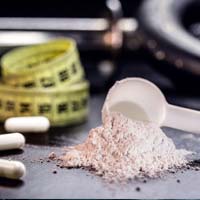
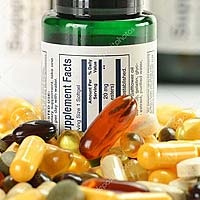
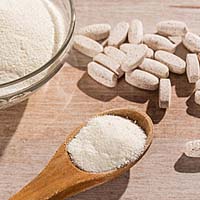
Tablets, capsules, and powders tend to be among the most popular delivery formats for these products. The best option often depends on the ingredients, serving size, and overall formulation.
For example, if the total ingredient load is around 1,000 mg, it may fit comfortably into two size 00 capsules. By contrast, a formula containing 2.5 g of collagen peptides may be better suited to multiple tablets or a powdered format. A qualified contract development and manufacturing organization (CDMO) can help determine the most appropriate dosage form based on formulation requirements and product goals.
Capsules
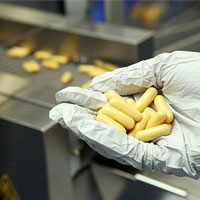
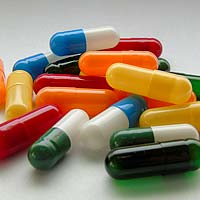
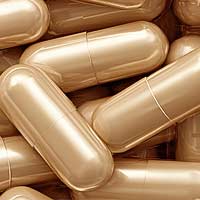
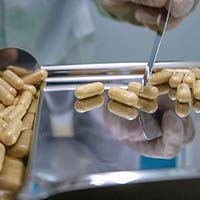
Hard gelatin or vegetarian capsules are versatile delivery formats commonly used in dietary supplements because they can accommodate powders, granules, and multi-ingredient blends. Their two-piece design supports efficient filling and precise dosing while offering compatibility with a wide range of vitamins, minerals, botanicals, amino acids, and other nutraceutical compounds.
Capsules also provide formulation flexibility, ease of manufacturing, and a convenient dosage form for combining multiple active ingredients. Once ingested, the capsule shell dissolves in the gastrointestinal tract, allowing the contents to be released for absorption and utilization.
Tablets
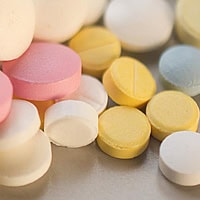
Tablets provide a stable and cost-effective delivery format while enabling precise dosing and consistent product quality. They can accommodate a wide range of vitamins, minerals, botanicals, and specialty ingredients commonly used to support hair, skin, and nail health.
Excipients, binding agents, and disintegrants help support tablet strength, uniformity, manufacturability, and appropriate breakdown after ingestion. Coating technologies can also improve appearance, mask unpleasant tastes or odors, enhance swallowability, and help protect sensitive ingredients from moisture, oxygen, and light, supporting product stability throughout shelf life.
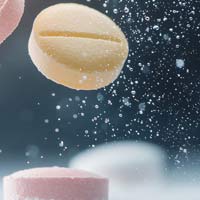
In addition to conventional tablets, other options include chewable tablets, orally disintegrating tablets, also known as fast-melt or quick-dissolve tablets, and effervescent tablets.
Powders
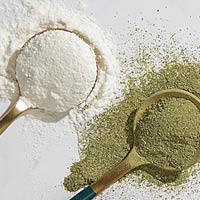
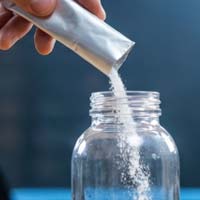
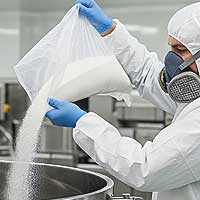
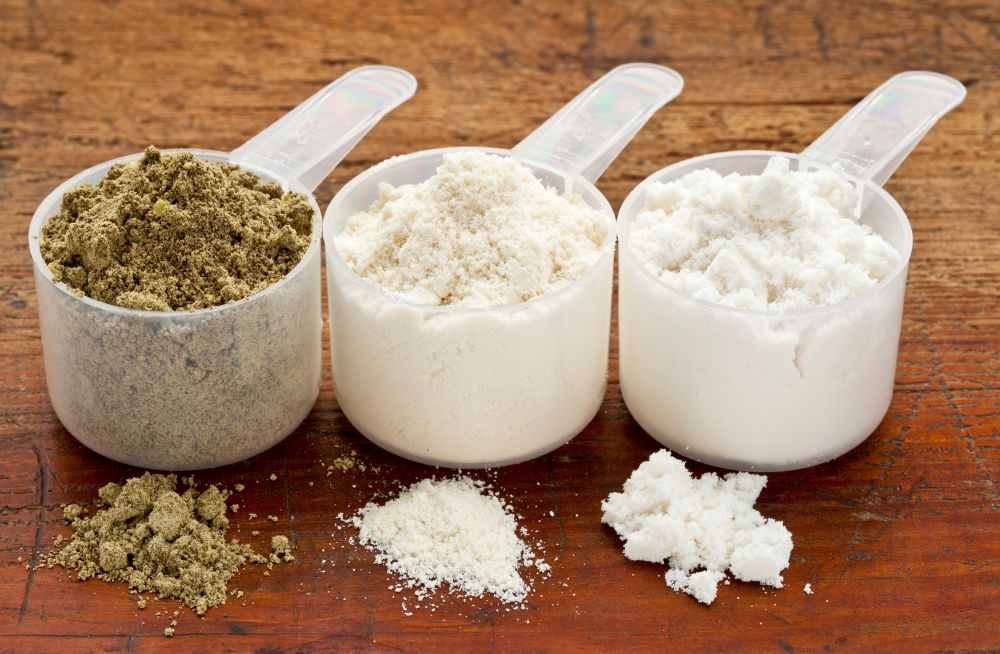
Powder formulations offer considerable flexibility by allowing customizable dosing and the incorporation of multiple ingredients into a single serving. Because powders are typically dispersed in liquid before consumption, they can offer advantages in dissolution compared with some solid dosage forms. Formulators must consider ingredient stability, moisture sensitivity, and interactions among active compounds to maintain product quality throughout shelf life.
Taste-masking technologies, flavors, and sweeteners can be used to improve palatability, while solubility and dispersibility are important considerations for powders intended to be mixed with water, beverages, smoothies, or other liquids.
Vitaquest has expertise in particle creation, modification, and manufacturing using technologies such as fluid bed processing, oscillation, and roll compaction. Capabilities include wet and dry granulation, agglomeration, microencapsulation, spray coating, particle sizing, air drying, and specialty blending of liquid and powder components.
Depending on the formulation, these technologies can help improve powder flow and solubility, protect ingredients from degradation or interaction with other components, mask undesirable tastes, and support product stability.
Multi-Ingredient Formulations in Nutricosmetic Supplements
While single-ingredient products can support beauty-from-within positioning, multi-ingredient formulations are common in this category. There are several reasons for this. Nutraceutical ingredients may work through different mechanisms of action, complement one another, or support multiple areas such as skin, hair, and nail health.
Combining ingredients can also allow formulators to target a specific benefit from multiple angles.
When supported by appropriate research and formulation rationale, this approach may help create a more comprehensive product offering.
Trends Driving the Nutricosmetics Market
The global nutricosmetics market is projected to grow from $8.32 billion in 2026 to $15.98 billion by 2034, representing a compound annual growth rate (CAGR) of 8.50%, driven in part by demand for scientifically supported solutions that promote skin, hair, and nail health from within.39Nutricosmetics Market Size, Share & Industry Analysis, By Form (Tablets, Capsules, Powder, and Others), By Application (Skin, Hair and Nail), By Distribution Channel (Supermarkets/Hypermarkets, Drug Stores, Specialty Stores, Online Stores, and Others), and Regional Forecast, 2026-2034. Retrieved June 14, 2026 from https://www.fortunebusinessinsights.com/industry-reports/nutricosmetics-market-101628. This aligns with market research reporting that 72% of women purchasing natural and organic beauty products believe in the concept of beauty from within, supporting demand for ingestible beauty solutions.40Moloughney S. Nutricosmetics: Beauty Starts Beneath The Surface. Nutraceuticals World. June 1, 2016. Retrieved June 16, 2026 form https://www.nutraceuticalsworld.com/nutricosmetics-beauty-starts-beneath-the-surface.
Consumers are also increasingly viewing skin, hair, and nail health as reflections of overall wellness. Industry experts note that modern consumers see beauty, health, and wellness as interconnected, helping drive interest in ingestible products such as collagen supplements, antioxidants, and other skin-support nutrients.41Doolan K. Nutricosmetics trends 2026: What brands need to know. NutraIngredients. March 23, 2026. Retrieved June 16, 2026 from https://www.nutraingredients.com/Article/2026/03/23/nutricosmetics-trends-2026-what-brands-need-to-know.
Another trend is the growing interest in combining ingestible and topical beauty products as part of a more comprehensive approach. These products may provide complementary support by addressing appearance from different angles. For brands, this creates opportunities to develop products that fit within broader beauty and wellness routines while appealing to consumers interested in both inside-out and outside-in approaches to personal care.
How to Bring Your Nutricosmetic Supplement Concept to Market
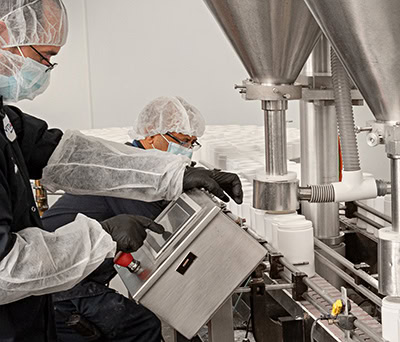
If you started this article asking, “What are nutricosmetics?” you should now have a clearer understanding of the category and the opportunities it may offer your supplement brand. As you evaluate ingredients, delivery formats, formulation strategies, and market positioning, the right manufacturing support can help you turn your concept into a differentiated product. Vitaquest brings formulation design, contract supplement manufacturing, and technical expertise to help you move your beauty-from-within concept forward.
Are you ready to deliver what’s next in nutricosmetics? If so, call 800-526-9095 to speak with one of our knowledgeable production specialists or request a nutraceutical manufacturing price quote if you’ve already finalized your project requirements!
Frequently Asked Questions about Nutricosmetics
What is the difference between nutricosmetics and regular supplements?
Nutricosmetics are a subset of dietary supplements formulated specifically to support beauty-related benefits from within. While dietary supplements can target a wide range of health and wellness goals, nutricosmetic products typically focus on supporting healthy skin, hair, and nails through ingredients such as collagen peptides, antioxidants, vitamins, minerals, and botanicals.
Can nutricosmetic supplements replace skincare routines?
No. Nutricosmetic supplements are generally intended to complement, not replace, topical skincare routines. Using ingestible and topical products together allows consumers to support skin appearance and health from different angles. For your brand, this can also create opportunities to position products within a broader beauty and wellness regimen.
Which formats are best for nutricosmetic products?
The best format depends largely on the ingredients, serving size, and product positioning. Collagen peptides, for example, are often better suited to powders because clinically relevant amounts may require several grams per serving. Many vitamins, minerals, botanicals, and other ingredients can be effectively formulated into capsules or tablets.
Are there any regulatory considerations for nutricosmetic formulations?
Yes. Nutricosmetic products must follow the same regulatory requirements that apply to other dietary supplements, including applicable FDA regulations governing ingredients, manufacturing, labeling, and claims. If you are unfamiliar with these requirements, working with an experienced contract development and manufacturing organization (CDMO) can help you navigate formulation, labeling, quality, and compliance considerations during product development.
How do B2B brand owners ensure ingredient quality and safety?
Start by evaluating the quality, safety, substantiation, and supply-chain documentation for every ingredient in your formula. Look for ingredients supported by appropriate research and reliable specifications. An experienced CDMO can also help you assess suppliers, ingredient documentation, formulation compatibility, testing requirements, and quality standards before your product enters commercial manufacturing.