






































Key Takeaways
- The global zinc supplements market was valued at $5.93 billion in 2024 and is projected to reach $13.32 billion by 2033 at a CAGR of 9.4%.
- There are various zinc salts offering distinct features and benefits. These salts include zinc gluconate, picolinate, citrate, bisglycinate (also known as glycinate), oxide, sulfate, acetate, monomethionine, and aspartate.
- Some of the key benefits associated with zinc supplementation include support for immune health, eye health, hair and nail health, skin health, healthy testosterone levels, reproductive and prostate health, blood sugar management, and gastrointestinal health.
Zinc is an essential trace mineral involved in numerous aspects of cellular metabolism, including growth and development, immune function, neurotransmission, vision, reproduction, and intestinal ion transport 1Terrin G, Berni Canani R, Di Chiara M, et al. Zinc in early life: a key element in the fetus and preterm neonate. Nutrients. 2015;7(12):10427-10446.. It is estimated that more than 3,000 human proteins contain functional zinc-binding sites, underscoring zinc’s broad physiological importance 2Andreini C, Banci L, Bertini I, Rosato A. Counting the zinc-proteins encoded in the human genome. J Proteome Res. 2006;5(1):196-201..
Because of these foundational roles in human health, interest in zinc supplement benefits has grown steadily among both consumers and supplement brand owners. This demand is reflected in the global zinc supplements market, which was valued at $5.93 billion in 2024 and is projected to reach $13.32 billion by 2033, growing at a compounded annual growth rate (CAGR) of 9.4% 3Global Zinc Supplement Market Size, Share, Trends & Growth Forecast Report – Segmented By Type (Zinc Gluconate, Zinc Acetate, Zinc Sulfate, Zinc Picolinate, Zinc Orotate, Zinc Citrate), Product (Capsule, Tablet, Liquid), Application (Supermarkets/Hypermarkets, Convenience Stores, Other), And Region (North America, Europe, APAC, Latin America, Middle East And Africa) – Industry Analysis From 2025 To 2033. Market Data Forecast. Last updated: May 2025. Retrieved December 13, 2025 from https://www.marketdataforecast.com/market-reports/zinc-supplement-market..
This article explores what zinc supplements are, reviews the key benefits associated with zinc supplementation, and outlines key formulation considerations for developing an effective zinc supplement.
What Are Zinc Supplements?
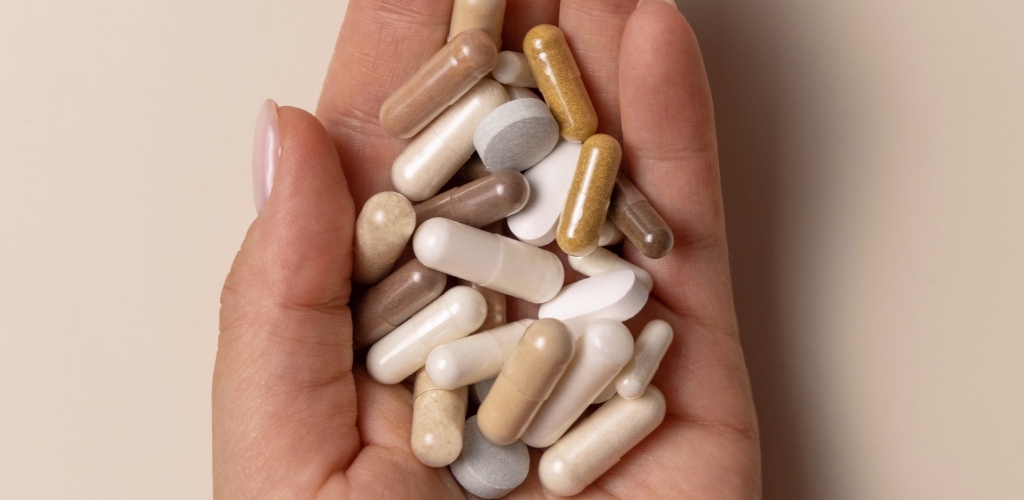
Zinc supplements are available in various delivery formats, including tablets, capsules, lozenges, and powders. These products typically supply zinc in the form of a specific mineral salt or chelate, each with distinct characteristics related to absorption, tolerability, and cost.
Common forms of zinc used in dietary supplements include:
- Zinc Gluconate – Good bioavailability; commonly found in lozenges and tablets.
- Zinc Picolinate – Zinc chelated to picolinic acid; marketed for enhanced absorption.
- Zinc Citrate – Well absorbed and generally well tolerated; common in capsules and powders.
- Zinc Bisglycinate (Zinc Glycinate) – Chelated form; gentle on the stomach; popular in premium formulations.
- Zinc Oxide – High elemental zinc content but lower bioavailability; lower cost.
- Zinc Sulfate – Effective but may cause gastrointestinal irritation in some people.
- Zinc Acetate – Often used in lozenges; good solubility.
- Zinc Monomethionine – Chelated with the amino acid methionine; marketed for absorption and tolerability.
- Zinc Aspartate – Zinc bound to aspartic acid; used in some mineral complexes.
Zinc supplements are commonly used to support general nutritional intake and address inadequate dietary consumption. Beyond basic supplementation, zinc has been extensively studied for its role in multiple physiological functions, which has contributed to its widespread use across a variety of supplement categories.
Key Health Benefits of Zinc Supplements
Zinc supplementation is commonly associated with support for several important areas of health, including healthy immune function, eye health, skin health, and the maintenance of healthy hair and nails. It is also linked to supporting healthy testosterone levels within a normal range, as well as reproductive and prostate health. Additional areas of interest include blood sugar metabolism and gastrointestinal health.
The sections below explore each of these areas in more detail.
Immune Health
Zinc is an essential nutrient for the normal development and function of the immune system, and inadequate intake can negatively impact immune response4Food and Nutrition Board, Institute of Medicine. Zinc. Dietary reference intakes for vitamin A, vitamin K, arsenic, boron, chromium, copper, iodine, iron, manganese, molybdenum, nickel, silicon, vanadium, and zinc. Washington, D.C.: National Academy Press; 2001:442-501.. It plays a role across multiple components of immune function, including the maintenance of the skin and mucosal barriers as well as gene regulation within immune cells.
Zinc is involved in the normal activity of cells associated with innate immunity, such as neutrophils and natural killer cells, and supports the development and function of cells involved in adaptive immune responses5Shankar AH, Prasad AS. Zinc and immune function: the biological basis of altered resistance to infection. Am J Clin Nutr. 1998 Aug;68(2 Suppl):447S-463S.. In addition, human clinical research has shown that zinc lozenge supplementation is associated with healthy immune function and upper respiratory wellness in various populations6Hemilä H. Zinc lozenges and the common cold: a meta-analysis comparing zinc acetate and zinc gluconate, and the role of zinc dosage. JRSM Open. 2017 May 2;8(5):2054270417694291. doi: 10.1177/2054270417694291. PMID: 28515951; PMCID: PMC5418896..



Improved Eye Health
Adequate zinc intake is important for maintaining normal visual function. Insufficient zinc levels have been associated with impaired dark adaptation, a visual process also influenced by vitamin A status. Research suggests that zinc plays a role in supporting healthy night vision by contributing to normal visual cycle function 7Christian P, Khatry SK, Yamini S, Stallings R, LeClerq SC, Shrestha SR, Pradhan EK, West KP Jr. Zinc supplementation might potentiate the effect of vitamin A in restoring night vision in pregnant Nepalese women. Am J Clin Nutr. 2001 Jun;73(6):1045-51..
In addition, studies evaluating zinc in combination with other antioxidant nutrients have shown that it helped promote a healthy macula, a region of the eye crucial for sharp, detailed central vision, color perception, and tasks such as reading, driving, and facial recognition8Age-Related Eye Disease Study Research Group. A randomized, placebo-controlled, clinical trial of high-dose supplementation with vitamins C and E, beta carotene, and zinc for age-related macular degeneration and vision loss: AREDS report no. 8. Arch Ophthalmol. 2001 Oct;119(10):1417-36. doi: 10.1001/archopht.119.10.1417. Erratum in: Arch Ophthalmol. 2008 Sep;126(9):1251. PMID: 11594942; PMCID: PMC1462955..
Improved Hair and Nail Health
Human research has shown that zinc plays an important role in maintaining healthy hair and nails9Hawrysz Z, Woźniacka A. Zinc: an undervalued microelement in research and treatment. Postepy Dermatol Alergol. 2023 Apr;40(2):208-214. doi: 10.5114/ada.2023.127639. Epub 2023 Jun 1. PMID: 37312919; PMCID: PMC10258701.. Additional research indicates that adequate zinc intake is necessary for normal hair growth, and in certain populations, zinc supplementation has been associated with support for maintaining typical hair growth patterns10Park H, Kim CW, Kim SS, Park CW. The therapeutic effect and the changed serum zinc level after zinc supplementation in alopecia areata patients who had a low serum zinc level. Ann Dermatol. 2009 May;21(2):142-6. doi: 10.5021/ad.2009.21.2.142. Epub 2009 May 31. PMID: 20523772; PMCID: PMC2861201.. In one study11Wessells KR, Brown KH, Arnold CD, Barffour MA, Hinnouho GM, Killilea DW, Kounnavong S, Hess SY. Plasma and Nail Zinc Concentrations, But Not Hair Zinc, Respond Positively to Two Different Forms of Preventive Zinc Supplementation in Young Laotian Children: a Randomized Controlled Trial. Biol Trace Elem Res. 2021 Feb;199(2):442-452. doi: 10.1007/s12011-020-02163-2. Epub 2020 Apr 30. PMID: 32356207; PMCID: PMC7746564., supplementation with a combination of zinc and arginine was linked to reduced hair shedding, as measured by a standardized hair pull test.
Additional human research12Wessells KR, Brown KH, Arnold CD, Barffour MA, Hinnouho GM, Killilea DW, Kounnavong S, Hess SY. Plasma and Nail Zinc Concentrations, But Not Hair Zinc, Respond Positively to Two Different Forms of Preventive Zinc Supplementation in Young Laotian Children: a Randomized Controlled Trial. Biol Trace Elem Res. 2021 Feb;199(2):442-452. doi: 10.1007/s12011-020-02163-2. Epub 2020 Apr 30. PMID: 32356207; PMCID: PMC7746564. has shown modest increases in nail zinc concentrations following supplementation. These findings may be related to zinc’s involvement in the normal production of keratin13Inoue Y, Hasegawa S, Ban S, Yamada T, Date Y, Mizutani H, Nakata S, Tanaka M, Hirashima N. ZIP2 protein, a zinc transporter, is associated with keratinocyte differentiation. J Biol Chem. 2014 Aug 1;289(31):21451-62. doi: 10.1074/jbc.M114.560821. Epub 2014 Jun 16. PMID: 24936057; PMCID: PMC4118108. 14Deters A, Schnetz E, Schmidt M, Hensel A. Effects of zinc histidine and zinc sulfate on natural human keratinocytes. Forsch Komplementarmed Klass Naturheilkd. 2003 Feb;10(1):19-25. doi: 10.1159/000069903. PMID: 12624476., a structural protein that is essential for hair and nail integrity.
Enhanced Skin Health
Zinc is an essential trace element involved in numerous cellular and biochemical processes, including protein and collagen synthesis, contributing to wound healing and tissue maintenance in humans15Chasapis CT, Ntoupa PA, Spiliopoulou CA, Stefanidou ME. Recent aspects of the effects of zinc on human health. Arch Toxicol. 2020 May;94(5):1443-1460. doi: 10.1007/s00204-020-02702-9. Epub 2020 May 12. PMID: 32394086..
Research16Kaymak Y, Adişen E, Erhan M, et al. Zinc Levels in Patients with Acne Vulgaris. J Turk Acad Dermatol. 2007;1(3):71302a 17Amer M, Bahgat MR, Tosson Z, et al. Serum zinc in acne vulgaris. Int J Dermatol 1982;21:481-4. has indicated that people with non-cystic acne may have lower levels of zinc. Not surprisingly, research18Meynadier J. Efficacy and safety study of two zinc gluconate regimens in the treatment of inflammatory acne. Eur J Dermatol 2000;10:269-73. 19Dreno B, Amblard P, Agache P, Sirot S, Litoux P. Low doses of zinc gluconate for inflammatory acne. Acta Derm Venereol 1989;69(6):541-3. has also shown that supplementation with zinc has been able to improve non-cystic acne.
May Support Healthy Testosterone Levels
Zinc plays a role in hormone metabolism, including the synthesis, transport, and normal activity of testosterone, as noted by the Food and Nutrition Board of the Institute of Medicine. Adequate zinc intake is important for supporting testosterone levels within the normal physiological range20Food and Nutrition Board, Institute of Medicine. Zinc. Dietary reference intakes for vitamin A, vitamin K, arsenic, boron, chromium, copper, iodine, iron, manganese, molybdenum, nickel, silicon, vanadium, and zinc. Washington, D.C.: National Academy Press; 2001:442-501. 21Prasad AS, Mantzoros CS, Beck FW, Hess JW, Brewer GJ. Zinc status and serum testosterone levels of healthy adults. Nutrition. 1996 May;12(5):344-8..
In one study22Chang CS, Choi JB, Kim HJ, Park SB. Correlation between serum testosterone level and concentrations of copper and zinc in hair tissue. Biol Trace Elem Res. 2011 Dec;144(1-3):264-71., men with normal testosterone levels had significantly higher zinc levels compared to those with lower testosterone. For example, exercise can temporarily reduce testosterone levels in sedentary men, but research studies23Kilic M. Neuro Endocrinol Lett. 2007 Oct;28(5):681-5. suggests that zinc supplementation may help support the maintenance of normal testosterone levels under these conditions. Overall, zinc supplementation has been shown to support healthy testosterone levels in certain populations24Jalali GR, et al. Ren Fail. 2010 May;32(4):417-9. 25Antoniou LD, et al. Lancet. 1977 Oct 29;2(8044):895-8. 26Prasad AS, et al. Am J Hematol. 1981;10(2):119-27..
May Support Reproductive & Prostate Health
Zinc is an important nutrient for normal reproductive function. The mineral is present in high concentrations in the testes, prostate, and seminal fluid, reflecting its role in supporting male reproductive physiology27Bedwal RS, et al. Experientia 1994;50(7):626-40.. Research has shown that inadequate zinc intake may affect semen volume and zinc balance, highlighting the importance of maintaining sufficient dietary intake28Kavanagh JP. J Reprod Fertil 1985;75(1):35-41..
In fact, in a study where men were fed a zinc-controlled diet and then supplemented with varying doses of zinc for 35 days, seminal loss accounted for 9% of total body zinc loss when there was a low zinc intake29Hunt CD, et al. Am J Clin Nutr. 1992 Jul;56(1):148-57..
In addition, a low zinc intake was found to decrease semen volumes and serum testosterone concentrations compared to when a higher daily dose of zinc was consumed. In addition to its importance in semen, zinc is needed for a healthy sperm count. In a 26-week, double-blind, placebo-controlled intervention study30Ebisch IM, et al. Int J Androl. 2006 Apr;29(2):339-45., men receiving daily supplementation with zinc and folate had significantly increased sperm concentrations. Furthermore, adequate zinc is crucial to maintaining a healthy prostate31Mihelich BL, et al. J Biol Chem. 2011 Dec 30;286(52):44503-11. 32Zaichick VYe, et al. Int Urol Nephrol. 1997;29(5):565-74. 33Mihelich BL, et al. J Biol Chem. 2011 Dec 30;286(52):44503-11., and supplementation with zinc may help in this maintenance process34Meyer F, et al. Int J Cancer. 2005 Aug 20;116(2):182-6..
Blood Sugar Management
Zinc is required for the activity of insulin, as demonstrated by the fact that, in pancreatic β-cells, zinc is needed for the synthesis of insulin and its storage. Additionally, zinc is released with insulin when blood glucose concentrations increase35Ruz M, Carrasco F, Rojas P, Basfi-Fer K, Hernandez MC, Perez A. Nutritional effects of zinc on metabolic syndrome and type 2 diabetes: mechanisms and main findings in human studies. Biol Trace Elem Res. 2019; 188(1):177-188.. Likewise, zinc also plays a role in stimulating glucose uptake and metabolism by insulin-sensitive tissues36Norouzi S, Adulcikas J, Sohal SS, Myers S. Zinc stimulates glucose oxidation and glycemic control by modulating the insulin signaling pathway in human and mouse skeletal muscle cell lines. PLoS One. 2018;13(1):e0191727..
Clinical research has shown that zinc supplementation may help support healthy blood glucose levels already within the normal range. Additional findings suggest a role for zinc in supporting normal pancreatic beta-cell function and insulin sensitivity37Islam MR, Attia J, Ali L, et al. Zinc supplementation for improving glucose handling in pre-diabetes: A double blind randomized placebo-controlled pilot study. Diabetes Res Clin Pract. 2016;115:39-46..
Gastrointestinal Health
The stomach and intestines are lined with a mucous membrane that helps protect digestive tissues from stomach acid and digestive enzymes. Maintaining the integrity of this protective barrier is important for overall digestive comfort and function38National Digestive Diseases Information Clearinghouse, National Institute of Diabetes and Digestive and Kidney Diseases. H. pylori and Peptic Ulcer. NIH Publication No. 07–4225; October 2004. Retrieved http://digestive.niddk.nih.gov/ddiseases/pubs/hpylori/index.htm..
Research39Kashimura H, Suzuki K, Hassan M, Ikezawa K, Sawahata T, Watanabe T, Nakahara A, Mutoh H, Tanaka N. Polaprezinc, a mucosal protective agent, in combination with lansoprazole, amoxycillin, and clarithromycin, increases the cure rate of Helicobacter pylori infection. Aliment Pharmacol Ther 1999;13(4):483-7. 40Mahmood A, FitzGerald AJ, Marchbank T, Ntatsaki E, Murray D, Ghosh S, Playford RJ.Zinc carnosine is a health food supplement that stabilises small bowel integrity and stimulates gut repair processes. Gut 2007;56(2):168-75. has shown that certain forms of zinc, such as zinc–carnosine, are associated with support for healthy gastrointestinal mucosal integrity. Supplementation with this form of zinc has been studied for its role in helping maintain normal gut mucous membranes, contributing to overall gastrointestinal health.
How to Expertly Formulate a Zinc Supplement
Formulating a high-quality zinc supplement requires careful consideration of several key factors. These include selecting the appropriate form of zinc, determining whether complementary vitamins or minerals should be included in the formulation, and choosing the most suitable delivery format to support stability, bioavailability, and consumer preference.
Type of Zinc Supplement
When selecting the appropriate form of zinc for a formulation, two primary considerations should guide decision-making: alignment with existing scientific research and practical compatibility with the intended delivery format.
While multiple zinc salts may serve similar functional roles, selecting a form that has been evaluated in published research for the intended area of support offers meaningful advantages. Using a well-studied form can simplify claim substantiation and provide greater confidence when communicating product benefits within compliant structure/function boundaries. For example, zinc gluconate has been widely evaluated in skin health–related research, while zinc–carnosine has been studied extensively in the context of gastrointestinal mucosal support.
Practical formulation considerations are equally important. For powder-based products, solubility and dissolution characteristics are critical, making forms such as zinc citrate a strong option. For encapsulated products positioned around enhanced absorption, chelated forms like zinc picolinate are often selected due to research supporting their bioavailability. Ultimately, the optimal zinc form balances scientific support, formulation performance, and the intended consumer experience.
Combination with Other Vitamins or Minerals
Combining zinc with other minerals and/or vitamins can offer distinct advantages compared to using zinc alone. These include zinc copper supplement benefits, zinc vitamin A supplement benefits, calcium magnesium zinc supplement benefits, and zinc magnesium supplement benefits.
- Zinc and Copper – The regular intake of larger doses of zinc (50 mg/day or more) can interfere with copper bioavailability by inducing the intestinal synthesis of a copper-binding protein , which can trap copper within intestinal cells. Consequently, it is good to include copper in a formulation when there is a zinc dose of 50 mg or more. Lesser intakes of zinc do not affect copper absorption, and high copper intakes do not affect zinc absorption41Holt RR, Uriu-Adams JY, Keen CL. Zinc. In: Erdman Jr JW, Macdonald IA, Zeisel SH, eds. Present Knowledge in Nutrition. 10th ed. Washington D.C.: ILSI Press; 2012:521-539..
- Zinc and Vitamin A – Zinc is a component of retinol-binding protein, a protein necessary for transporting vitamin A in the blood. Zinc is also required for the enzyme that converts retinol (vitamin A) into active retinal42Christian P, West KP, Jr. Interactions between zinc and vitamin A: an update. Am J Clin Nutr. 1998;68(2 Suppl):435S-441S.. Consequently, it makes sense to include zinc in a formulation providing vitamin A.
- Zinc, Magnesium, Calcium, and Vitamin D – Co-supplementation with this nutrient combination has been shown to promote healthy glycemic control and cardiometabolic health in some women43Jamilian M, Maktabi M, Asemi Z. A Trial on The Effects of Magnesium-Zinc-Calcium-Vitamin D Co-Supplementation on Glycemic Control and Markers of Cardio-Metabolic Risk in Women with Polycystic Ovary Syndrome. Arch Iran Med. 2017 Oct;20(10):640-645. PMID: 29137465.. Likewise, a combination of zinc and magnesium resulted in multiple benefits for supporting metabolic health in some populations44Hamedifard Z, Farrokhian A, Reiner Ž, Bahmani F, Asemi Z, Ghotbi M, Taghizadeh M. The effects of combined magnesium and zinc supplementation on metabolic status in patients with type 2 diabetes mellitus and coronary heart disease. Lipids Health Dis. 2020 May 28;19(1):112. doi: 10.1186/s12944-020-01298-4. PMID: 32466773; PMCID: PMC7257447..
Delivery Formats
As previously noted, various delivery formats can be used for zinc supplements. Now, let’s examine these a bit more closely.
- Capsules and Tablets – Capsules and tablets are the most common and versatile delivery formats for zinc. They offer convenience, stability, and broad formulation flexibility, as most zinc salts can be effectively used in these formats.
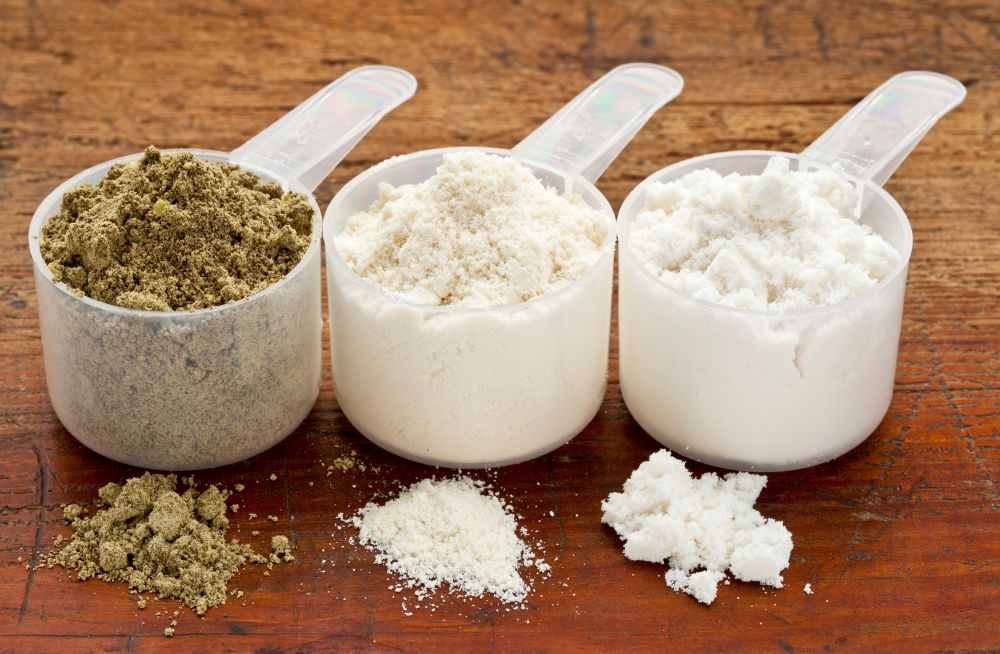
- Powders – Powders are the most common delivery format for collagen products and other beauty-from-within formulations. In these applications, combination formulations that include zinc for hair, skin, or nail support can add functional value.
- Lozenges – Lozenges are a popular delivery format for zinc in immune and upper respiratory wellness applications. Multiple studies have evaluated this format, supporting its continued use for this purpose.
- Effervescent Tablets – Effervescent tablets dissolve in water and offer an alternative delivery experience. Microencapsulated and controlled-release effervescent formulations may support faster dissolution while remaining gentle on the stomach, making this format an appealing option for certain consumer segments.
Wrapping Up the Discussion on Zinc Supplement Benefits
Zinc continues to be a foundational ingredient across multiple supplement categories, and understanding its functional roles and formulation considerations is essential for building a successful product. If this overview has prompted you to explore adding a zinc supplement to your portfolio, partnering with experienced turnkey supplement manufacturers can significantly streamline the process. The right partner will provide end-to-end support, from formulation design and ingredient sourcing to product development, packaging design, and regulatory guidance.
When evaluating potential partners, it is critical to work with a contract development and manufacturing organization that operates under rigorous quality systems, holds third-party NSF GMP certification, and has deep experience in dietary supplements. Supplement manufacturing in the USA is also an important consideration, as it supports greater regulatory alignment, quality oversight, and supply chain transparency.
If you are ready to capitalize on growing interest in zinc-based products, call 800-526-9095 to speak with one of our knowledgeable sales executives or request a nutraceutical manufacturing quote today.